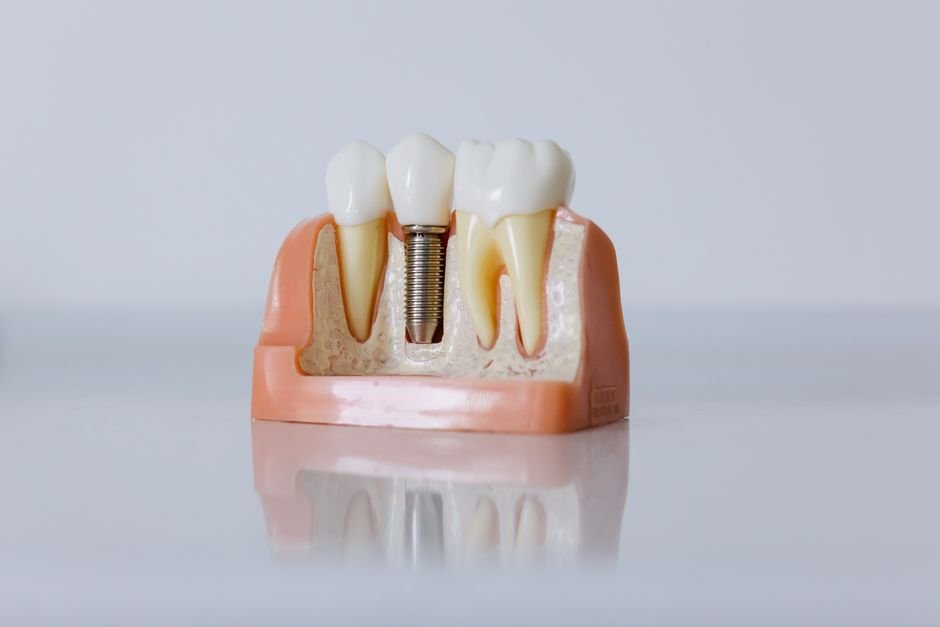

Smoking slows dental implant healing by reducing blood flow to the gums and jawbone, which limits the oxygen and nutrients needed for the surrounding tissue to fuse properly with the implant. This process, known as osseointegration, is what anchors an implant securely in place, and anything that interferes with healthy blood supply can delay it, …
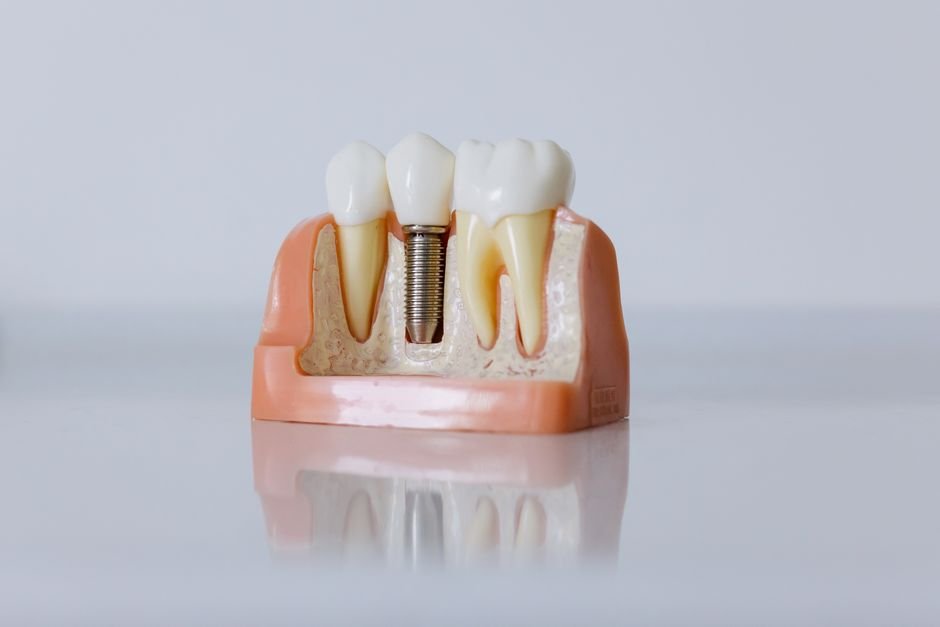

Smoking slows dental implant healing by reducing blood flow to the gums and jawbone, which limits the oxygen and nutrients needed for the surrounding tissue to fuse properly with the implant. This process, known as osseointegration, is what anchors an implant securely in place, and anything that interferes with healthy blood supply can delay it, increase the risk of infection, and raise the overall chance of implant failure.
Key takeaways
- Smoking reduces blood flow, which slows the healing process implants depend on.
- Smokers face a higher risk of implant failure and complications than non-smokers.
- Pausing smoking before and after surgery can meaningfully improve healing outcomes.
- Gum health, which is also affected by smoking, plays a major role in implant success.
- Dentists often adjust their approach and monitoring for patients who smoke.
Why Does Blood Flow Matter So Much for Implant Healing?
After a dental implant is placed, the surrounding bone and tissue need a steady supply of oxygen and nutrients to regenerate and grow around the implant surface. This is what allows the implant to become firmly anchored rather than simply sitting loosely in the jaw. Good blood circulation delivers the cellular building blocks needed for this repair process to happen efficiently.
Nicotine causes blood vessels to narrow, reducing the amount of blood, and therefore oxygen and nutrients, that reaches the healing site. Even a temporary reduction in blood flow during the critical early weeks after surgery can slow down how effectively new bone forms around the implant, which is why timing around surgery matters so much for anyone who smokes.
What Specific Risks Are Higher for Smokers?
Research has consistently shown that smokers experience higher rates of implant failure compared with non-smokers, along with increased risk of infection at the surgical site. Delayed healing can also mean a longer period of discomfort and a higher chance of needing additional treatment if the implant does not integrate as expected.
Smokers are also more prone to a condition affecting the gum and bone around an implant, similar to gum disease around natural teeth, which can compromise the long-term stability of the implant even after initial healing has occurred. This makes ongoing gum health monitoring particularly important for anyone who smokes and has dental implants.
Does It Matter How Much or How Often Someone Smokes?
Generally, the more frequently and heavily someone smokes, the greater the impact on healing and long-term implant success tends to be. Heavy, long-term smokers typically show more pronounced effects on blood flow and gum health than occasional or lighter smokers, though even moderate smoking has been associated with measurably higher complication rates in dental research.
This does not mean occasional smokers are free from risk, since even smaller amounts of nicotine exposure can affect circulation during the sensitive healing window. Dentists typically discuss individual smoking habits in detail when planning implant treatment, since the specific pattern of use can influence recommendations around timing and monitoring.
Can Pausing Smoking Before Surgery Really Help?
Yes, research suggests that stopping smoking, even temporarily, in the weeks surrounding implant surgery can meaningfully improve healing outcomes compared with continuing to smoke throughout the process. Blood flow tends to improve relatively quickly once nicotine exposure stops, giving the body a better chance to support the healing implant site.
Many dentists recommend stopping smoking for at least a couple of weeks before surgery and continuing to abstain for several weeks afterwards, covering the most critical portion of the healing period. While permanently quitting offers the greatest long-term benefit for both implant success and general health, even a temporary pause around surgery can make a measurable difference.
How Does Smoking Affect Gum Health Around Implants?
Smoking is well established as a risk factor for gum disease in general, and this extends to the tissue surrounding dental implants. Reduced blood flow makes it harder for gum tissue to fight off bacterial infection effectively, while smoking can also mask early warning signs, such as bleeding, that might otherwise alert someone to a developing problem.
Because gum health is so closely tied to long-term implant stability, smokers with implants often need more frequent professional cleanings and check-ups to catch any early signs of inflammation or infection before they progress. Maintaining excellent daily oral hygiene becomes even more important for smokers to help offset this increased risk.
Do Dentists Treat Smokers Differently When Planning Implants?
Many dentists do adjust their approach for patients who smoke, which might include more conservative treatment planning, closer monitoring during the healing period, or a clear conversation about the increased risks involved before proceeding. This is not about discouraging treatment altogether, but about ensuring realistic expectations and appropriate precautions are in place.
Some dentists may also recommend additional supportive measures, such as more frequent follow-up appointments in the weeks after surgery, to catch any early signs of complications. Open and honest communication about smoking habits allows a dentist to tailor their approach appropriately rather than assuming a standard healing timeline that may not apply.
Is It Ever Too Late to Reduce Risk After Getting an Implant?
No, reducing or stopping smoking after an implant has already been placed and healed can still offer meaningful benefits for its long-term success. Ongoing smoking continues to affect gum health and blood flow well beyond the initial healing period, meaning the risks associated with smoking do not simply disappear once osseointegration is complete.
Patients who reduce or quit smoking after receiving implants may see improvements in gum health and a lower risk of the long-term complications associated with continued tobacco use. It is never too late to make a change that supports both the longevity of an implant and general oral and overall health.
What Can Someone Do If They Are Not Ready to Quit Entirely?
For those not ready to quit smoking altogether, being transparent with a dentist about smoking habits allows for a more tailored treatment plan, closer monitoring, and clear guidance on minimising risk where possible. Even small adjustments, such as reducing frequency around the surgical period, can offer some benefit compared with no change at all.
Maintaining excellent oral hygiene, attending all recommended follow-up appointments, and promptly reporting any unusual symptoms such as persistent swelling or discomfort can help catch potential problems early. While quitting entirely offers the greatest benefit, these smaller steps can still meaningfully support the healing process and long-term implant success.
Frequently Asked Questions
Can a smoker still get a dental implant?
Yes, smoking does not automatically rule out dental implants, but it does increase the risk of complications and implant failure. A dentist will typically discuss these risks in detail and may recommend adjustments to the treatment plan or timing to help improve the chances of successful healing.
How long before implant surgery should someone stop smoking?
Many dentists recommend stopping at least a couple of weeks before surgery, though specific guidance can vary based on individual circumstances. It is best to discuss a personalised timeline directly with the dentist performing the procedure, since they can factor in the overall treatment plan and healing expectations.
Does vaping carry the same risks as smoking for implant healing?
Vaping products often still contain nicotine, which can constrict blood vessels in a similar way to traditional cigarettes, potentially affecting healing in comparable ways. Anyone using nicotine-containing vaping products should discuss this openly with their dentist when planning implant treatment.
What are the warning signs of implant failure related to smoking?
Warning signs can include persistent pain, swelling, bleeding around the implant site, or a feeling of looseness in the implant. Anyone experiencing these symptoms, particularly if they smoke, should contact their dentist promptly rather than waiting for a scheduled check-up.
Can improving gum health offset some of the risks of smoking?
Maintaining excellent oral hygiene and attending regular professional cleanings can help offset some, though not all, of the increased risk associated with smoking. It remains an important part of supporting implant health alongside any changes to smoking habits, rather than a complete substitute for reducing tobacco use.
Disclaimer: This article is for informational purposes only and does not constitute medical or dental advice. Always consult a qualified dental professional before making any decisions about your oral health or treatment options.