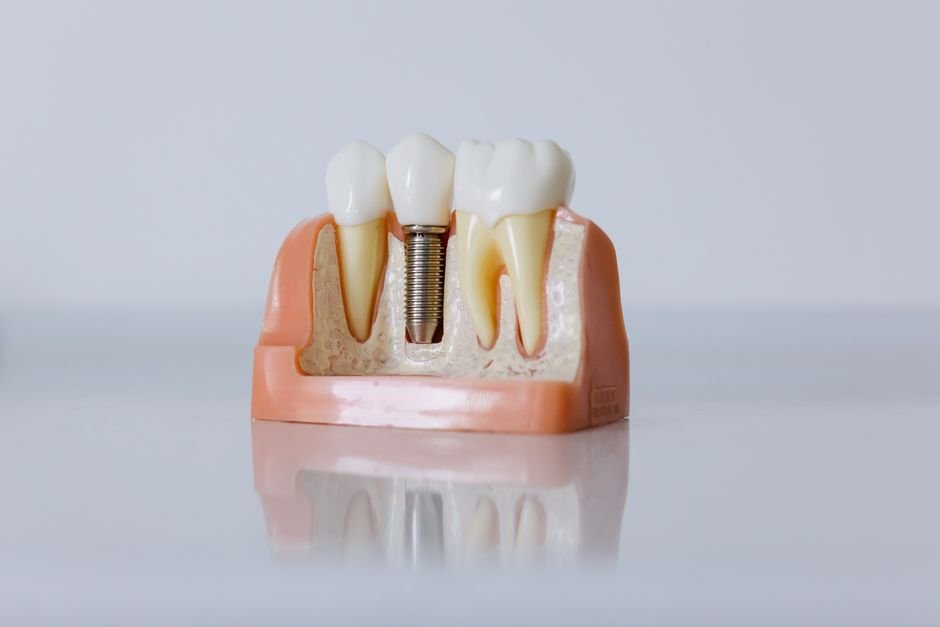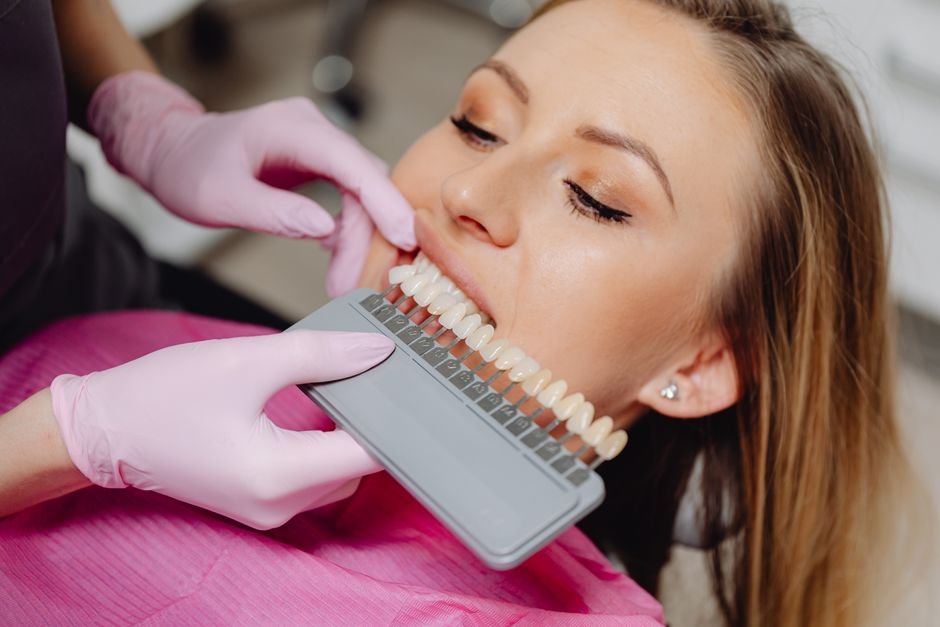

Veneers and bonding both improve the appearance of front teeth, but they are not interchangeable treatments. Veneers are thin, custom-made shells, usually crafted from porcelain or composite, that are bonded over the visible surface of a tooth after a small amount of enamel has been prepared. Bonding, on the other hand, uses a tooth-coloured composite …
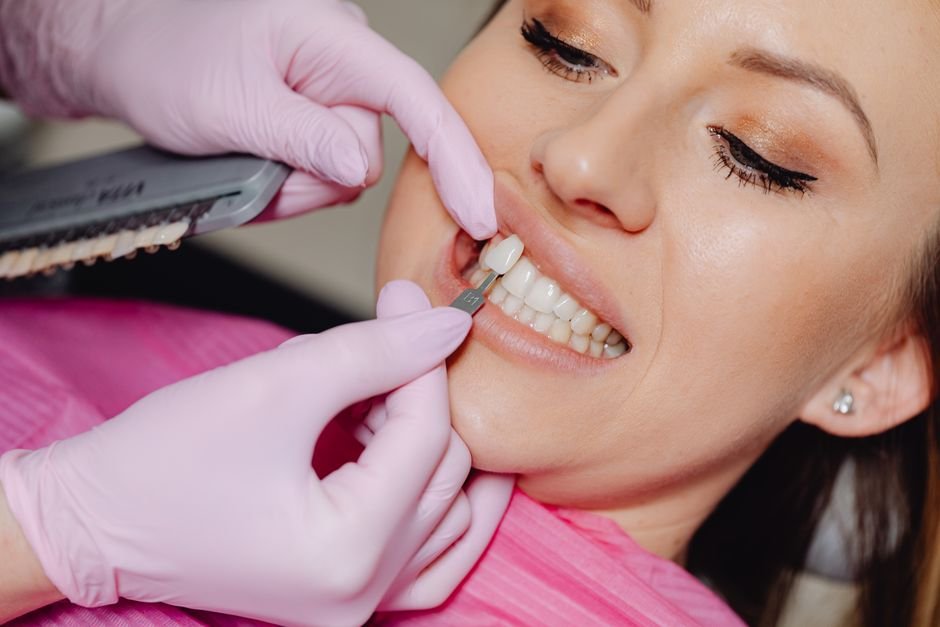

Veneers and bonding both improve the appearance of front teeth, but they are not interchangeable treatments. Veneers are thin, custom-made shells, usually crafted from porcelain or composite, that are bonded over the visible surface of a tooth after a small amount of enamel has been prepared. Bonding, on the other hand, uses a tooth-coloured composite resin that a dentist sculpts directly onto the tooth in a single visit, with little to no enamel removal. Veneers tend to last longer and resist staining better, while bonding is quicker, less invasive, and more budget-friendly. The right choice depends on the problem being corrected, how long you want the result to last, and how much of your natural tooth you are comfortable altering.
Key takeaways
- Veneers are custom shells bonded over the tooth surface; bonding is resin applied and shaped directly onto the tooth.
- Veneers generally last longer and hold their colour better, but involve more preparation and higher cost.
- Bonding is quicker, more affordable, and reversible in most cases, but is more prone to staining and chipping.
- The best option depends on the extent of the cosmetic issue, budget, and how much enamel alteration is acceptable.
- Both treatments require a dentist’s assessment to confirm which is suitable for your teeth and bite.
What Exactly Sets Veneers and Bonding Apart?
The core difference lies in how each treatment is made and applied. A veneer is fabricated outside the mouth, typically in a dental laboratory, from an impression or digital scan of the prepared tooth. It is a separate piece that is then cemented onto the tooth face, similar to a fitted covering. Bonding, by contrast, is built up freehand, layer by layer, directly on the tooth using a soft composite resin that is shaped and then hardened with a curing light.
Because veneers are manufactured externally, they can be engineered with a more uniform colour, translucency, and surface texture that closely mimics natural enamel. Bonding relies heavily on the dentist‘s freehand skill during the appointment itself. Both approaches aim to mask the same categories of problems, such as discolouration, chips, gaps, or minor misalignment, but they achieve this through different materials, different techniques, and different long-term expectations for durability and maintenance.
How Does the Dental Bonding Procedure Work?
Bonding usually requires only one appointment and rarely needs any anaesthetic, since little or no tooth structure is removed. The dentist first roughens the tooth surface slightly and applies a mild conditioning gel to help the resin adhere. A putty-like composite resin, matched to the shade of the surrounding teeth, is then applied and moulded by hand into the desired shape, whether that means closing a gap, lengthening a worn edge, or covering a chip.
Once the shape looks right, the dentist hardens the resin using a special curing light, which sets it within seconds. The tooth is then trimmed, smoothed, and polished so the bonded area blends naturally with its neighbours. Because the process is additive rather than subtractive, it is considered one of the most conservative cosmetic dental treatments available, and it can often be completed comfortably within a standard appointment slot.
What Happens During a Veneer Procedure?
Veneers typically involve two or more visits. At the first appointment, the dentist examines the teeth, discusses the desired shape and shade, and removes a thin layer of enamel from the tooth surface, usually less than a millimetre, to make room for the veneer and ensure a natural-looking fit. An impression or digital scan is then taken and sent to a dental laboratory, where the veneer is custom-made over one or two weeks.
In the meantime, a temporary veneer may be fitted to protect the prepared tooth. Once the permanent veneer is ready, the dentist checks the fit, colour, and contour before permanently bonding it into place with a strong dental cement. Minor adjustments to shape or bite alignment are made at this final visit. The whole process demands more precision and laboratory input than bonding, which is part of why veneers generally cost more.
Which Treatment Lasts Longer?
Porcelain veneers are notably durable and, with good care, can last well over a decade before needing replacement. The material resists staining from tea, coffee, or red wine far better than composite resin, and it holds its polish and shape reliably over years of normal biting and chewing. This longevity is one of the main reasons patients choose veneers for a long-term cosmetic solution rather than a temporary fix.
Bonded resin, while durable enough for everyday use, is softer than porcelain and more susceptible to chipping, staining, and gradual wear. Most bonding lasts a good number of years before it needs touching up or replacing, particularly on front teeth that endure biting forces. Habits such as nail biting, chewing on pens, or grinding teeth at night can shorten its lifespan considerably, so lifestyle plays a real role in how long bonding holds up.
How Do the Costs Compare?
Bonding is almost always the more affordable option upfront, since it requires a single appointment, no laboratory fabrication, and less material overall. This makes it an attractive choice for patients who want a noticeable cosmetic improvement without a significant financial commitment, or who want to address a single small chip or gap rather than an entire smile.
Veneers involve higher upfront costs because of the laboratory work, the precision of the fabrication process, and the additional appointments required. However, because veneers tend to last considerably longer and require less frequent touch-ups or replacement, the cost per year of wear can sometimes even out over time. Patients weighing the two should consider not just the initial price but how each option holds up, and how often repairs or replacements might be needed down the track.
Which Cosmetic Concerns Suit Each Option Best?
Bonding is well suited to small, localised fixes: closing a minor gap between two front teeth, repairing a small chip, softening an uneven edge, or camouflaging a small area of discolouration. Its flexibility as a hand-sculpted material makes it ideal for quick, targeted corrections that do not require a total transformation of the tooth’s appearance.
Veneers are generally recommended when several teeth need a coordinated, uniform improvement, such as evening out a row of discoloured, chipped, or irregularly shaped teeth to create a consistent smile line. Because veneers are custom-designed as a set, they allow for precise control over shape, length, and shade across multiple teeth at once, which is harder to achieve consistently with freehand bonding across several teeth.
Is Either Treatment Reversible?
Bonding is largely reversible because it involves minimal to no removal of enamel. If a patient is unhappy with the result or the resin becomes worn, a dentist can remove the bonding material and either reapply fresh resin or consider an alternative treatment, generally without permanent changes to the underlying tooth structure.
Veneers are considered irreversible in most cases because a thin layer of enamel is permanently removed to accommodate the shell. Once that enamel is gone, the tooth will always need some form of covering, whether a veneer, crown, or similar restoration, to protect it and maintain a natural appearance. This is an important consideration for patients who want to preserve as much of their natural tooth structure as possible before committing to veneers.
What Does Aftercare Involve for Each Option?
Caring for bonded teeth involves the same daily brushing and flossing routine as natural teeth, along with some extra caution around habits that could chip the resin, such as biting fingernails or opening packaging with the teeth. Regular dental check-ups allow a dentist to spot early signs of wear or staining and address them before they become noticeable.
Veneers also require consistent oral hygiene, since the gum line around the veneer’s edge can still develop plaque and decay if neglected. Patients with veneers are often advised to avoid biting excessively hard foods and to wear a night guard if they grind their teeth, since although porcelain is strong, it can crack under significant force. Routine dental visits help confirm that the veneer’s seal remains intact and that the supporting tooth stays healthy underneath.
How Should You Decide Between Veneers and Bonding?
Choosing between the two often comes down to the scale of the change you want, your budget, and your appetite for a longer-term commitment. A single chipped tooth or a small gap might be perfectly solved with bonding in one short visit, while a full smile makeover involving several teeth of varying shades and shapes may be better served by veneers designed as a matched set.
A dentist’s assessment is essential either way, as they can evaluate the health of your teeth and gums, the extent of the cosmetic issue, and any bite considerations that might influence which material will hold up best. Bringing photos of smiles you admire, or being clear about how natural or dramatic you want the result to look, can help guide a productive conversation during the consultation.
Frequently Asked Questions
Can bonding be used to fix the same problems as veneers?
Bonding can address many of the same cosmetic concerns as veneers, including chips, gaps, and discolouration, but it is generally best suited to smaller, more localised corrections. For a coordinated change across several teeth with a highly uniform result, veneers usually offer more predictable and longer-lasting outcomes.
Does getting veneers hurt?
The preparation for veneers is usually done with a local anaesthetic, so patients typically feel little to no discomfort during the appointment. Some mild sensitivity to temperature or pressure can occur for a short period afterwards while the tooth adjusts, but this generally settles within a few days.
Will bonded teeth or veneers stain over time?
Composite resin used in bonding is more porous than porcelain and can pick up staining from foods and drinks such as coffee, tea, or red wine over time. Porcelain veneers are far more resistant to staining and tend to retain their original shade for many years with routine care.
Can veneers or bonding be whitened later if I want a brighter smile?
Neither veneers nor bonding responds to teeth whitening treatments, since whitening gels work on natural enamel rather than porcelain or composite resin. It is generally recommended to whiten natural teeth first, if desired, and then have veneers or bonding matched to that finalised shade.
How do I know which treatment is right for my teeth?
The most reliable way to decide is a consultation with a dentist, who can examine the condition of your teeth, discuss your cosmetic goals, and explain how each material would perform for your specific situation. Factors such as bite alignment, the extent of discolouration, and long-term budget all influence the recommendation.
Disclaimer: This article is for informational purposes only and does not constitute medical or dental advice. Always consult a qualified dental professional before making any decisions about your oral health or treatment options.