
In the first month with braces, most people experience some initial soreness for several days after fitting, a period of adjustment to speaking and eating, and a learning curve around cleaning teeth thoroughly with new hardware in the mouth. These early challenges are temporary and typically ease significantly within the first two to three weeks …


In the first month with braces, most people experience some initial soreness for several days after fitting, a period of adjustment to speaking and eating, and a learning curve around cleaning teeth thoroughly with new hardware in the mouth. These early challenges are temporary and typically ease significantly within the first two to three weeks as the mouth adapts to the brackets and wires.
Key takeaways
- Mild soreness and discomfort in the first few days is normal and usually temporary.
- Eating and speaking may feel awkward at first but improve quickly with practice.
- Cleaning technique needs to change to keep teeth healthy around brackets and wires.
- Minor irritation from brackets rubbing the cheeks or lips is common early on.
- Most people fully adjust within three to four weeks of getting braces fitted.
Why Does It Feel Sore for the First Few Days?
Braces work by applying gentle, continuous pressure to gradually move teeth into a better position, and this pressure is most noticeable in the days immediately following the initial fitting. The teeth and surrounding ligaments are essentially adjusting to a new force being placed on them, which can create a dull ache or sensitivity, particularly when biting down on firmer foods.
This soreness typically peaks within the first two to three days and then steadily improves as the mouth adapts. Over-the-counter pain relief, if suitable for the individual, along with sticking to softer foods during this initial period, can help make those first few days considerably more comfortable while the adjustment period passes.
Will Eating Feel Different Right Away?
Yes, many people find that eating feels unusual for the first week or two, partly due to soreness and partly due to simply getting used to how food interacts with the brackets and wires. Sticky, hard, or very chewy foods are generally best avoided initially, not only because they can be uncomfortable but because they can also dislodge brackets or bend wires if bitten into directly.
Softer foods such as pasta, cooked vegetables, yoghurt, and soups tend to be easier to manage during this early period. As the mouth adjusts and any soreness fades, most people gradually reintroduce a wider range of foods, though certain very hard or sticky items are usually best limited throughout treatment to protect the braces themselves.
Is It Normal for Brackets to Irritate the Cheeks and Lips?
Yes, it is very common for the inside of the cheeks and lips to experience some irritation or minor sores as they get used to the presence of brackets, particularly in the first couple of weeks. The soft tissue inside the mouth needs time to toughen slightly and adjust to the new surfaces it is coming into contact with.
Orthodontic wax, which can be applied directly to brackets causing irritation, is commonly provided to help reduce friction while the mouth adjusts. This irritation generally lessens significantly after the first few weeks as the tissue adapts, though keeping some wax on hand throughout treatment can still be useful if a particular bracket or wire end causes occasional discomfort later on.
How Does Cleaning Change With Braces?
Cleaning teeth with braces requires more care and a slightly different technique than brushing without any hardware in the mouth. Food particles can easily become trapped around brackets and under wires, so brushing needs to be more thorough and methodical, often taking longer than the standard two minutes to properly clean each individual tooth surface.
Flossing also becomes more involved, often requiring a floss threader or an orthodontic flosser to get the floss underneath the wire between each tooth. Many people find that establishing this new cleaning routine takes conscious effort for the first few weeks before it becomes a more automatic part of their daily habits.
Will Speaking Feel Strange at First?
Some people notice a temporary change in how certain sounds are pronounced during the first week or two with braces, since the tongue and lips need to adjust to the slightly different space and surfaces inside the mouth. This effect is usually mild and tends to resolve on its own as the mouth becomes accustomed to the braces.
Practising speaking normally, rather than avoiding conversation, generally helps the adjustment happen more quickly. Reading aloud for a few minutes each day during the first week can help some people adapt faster, though for most this resolves naturally within a short period without any specific exercises being necessary.
What Follow-Up Care Happens During the First Month?
Most orthodontic treatment plans do not require an appointment within the very first month after the initial fitting, since this early period is largely about the mouth settling into the presence of the braces. However, patients are usually given clear guidance on what to do if a bracket becomes loose, a wire pokes uncomfortably, or any other unexpected issue arises before the next scheduled visit.
It is worth keeping a note of any questions or concerns that come up during this first month, even minor ones, to raise at the next appointment. Contacting the orthodontic practice directly is also appropriate for anything causing significant discomfort or that seems unusual, rather than waiting until the next routine visit.
How Long Does It Take to Fully Adjust?
While the most noticeable discomfort and awkwardness typically fade within the first two to three weeks, most people report feeling essentially fully adjusted to their braces by around the one-month mark. Eating, speaking, and cleaning routines usually feel far more natural by this point, even though the overall orthodontic treatment itself will continue for a much longer period.
Everyone adjusts at a slightly different pace, and it is entirely normal for some people to feel comfortable within just a week or two while others take closer to the full month. If significant discomfort or difficulty persists well beyond this initial period, checking in with the orthodontic team is a reasonable step to make sure everything is progressing as expected.
What Are the Most Common Mistakes People Make Early On?
One common early mistake is avoiding brushing thoroughly because it feels more difficult or time-consuming with braces in place, which can allow plaque to build up around the brackets more than usual. Taking the extra time needed for thorough cleaning, even when it feels tedious at first, helps prevent avoidable issues such as decay or gum irritation during treatment.
Another common mistake is eating foods that are too hard or sticky too soon, which can damage brackets or wires and potentially extend overall treatment time if repairs are needed. Following the specific dietary guidance provided at the initial fitting, particularly during this adjustment period, helps avoid unnecessary setbacks early in the process.
Frequently Asked Questions
Is it normal to feel like my teeth are loose in the first month?
Yes, a slight sensation of looseness or mobility can occur as teeth respond to the gentle pressure being applied by the braces. This is a normal part of the tooth movement process and is not a sign that something is wrong, though any significant or sudden change should still be mentioned to the orthodontic team.
Can I play sports or musical instruments with new braces?
Most sports and instruments can still be enjoyed with braces, though a mouthguard is generally recommended for contact sports to protect both the braces and the soft tissue of the mouth. Wind instrument players may need a short adjustment period to get used to the feel of the mouthpiece against the braces.
What should I do if a wire or bracket feels loose?
Contact the orthodontic practice for guidance, since a loose wire or bracket may need a prompt adjustment appointment rather than waiting until the next scheduled visit. In the meantime, orthodontic wax can often help reduce any irritation caused by a loose or protruding piece until it can be properly addressed.
Will my first month with braces be the most uncomfortable part of treatment?
For many people, the initial fitting period does tend to be one of the more noticeable adjustment phases, though some discomfort can also occur after routine tightening appointments throughout treatment. Each of these adjustment periods is typically much shorter and milder than the very first experience of getting braces fitted.
Can I still whiten my teeth while wearing braces?
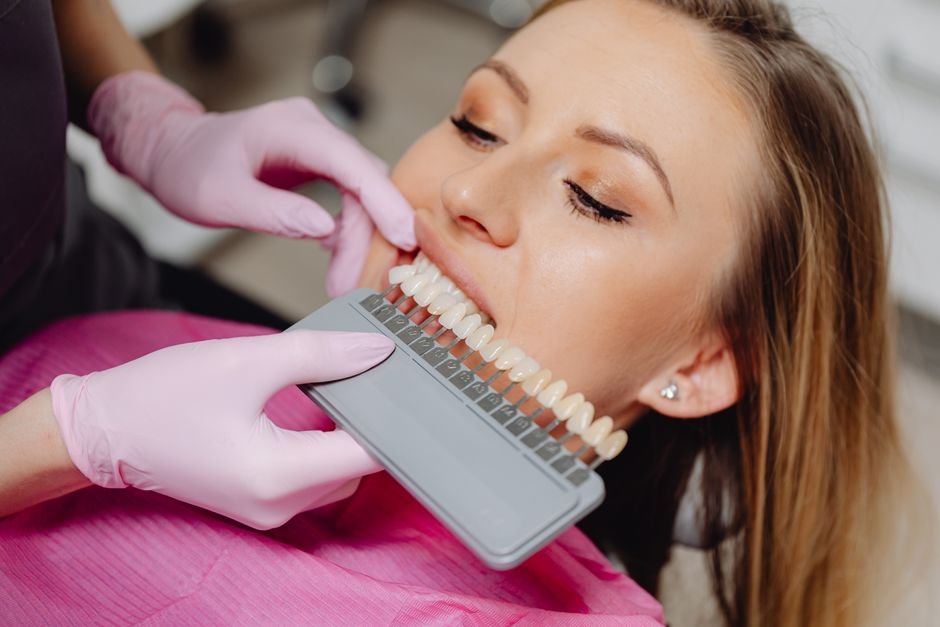
Whitening treatments are generally not recommended while braces are on, since the brackets cover parts of the tooth surface and can lead to uneven colouring once the braces are eventually removed. It is best to discuss the timing of any whitening plans with a dental professional after treatment is complete.
Disclaimer: This article is for informational purposes only and does not constitute medical or dental advice. Always consult a qualified dental professional before making any decisions about your oral health or treatment options.