
Orthodontic problems rarely appear overnight. Crowding, gaps, an uneven bite, or a jaw that no longer meets comfortably are usually the end result of small changes that build up gradually, driven by genetics, growth patterns, habits, tooth loss, gum health, and simple everyday forces like chewing and swallowing. Understanding how these changes accumulate helps explain …

Orthodontic problems rarely appear overnight. Crowding, gaps, an uneven bite, or a jaw that no longer meets comfortably are usually the end result of small changes that build up gradually, driven by genetics, growth patterns, habits, tooth loss, gum health, and simple everyday forces like chewing and swallowing. Understanding how these changes accumulate helps explain why a bite that looked fine in childhood can shift in adulthood, and why early attention to small signs often prevents bigger complications later.
Key takeaways
- Orthodontic problems usually develop gradually, from a mix of genetics, growth, habits, and everyday oral forces rather than a single cause.
- Teeth naturally drift throughout life, which is why bites can change even years after braces or aligner treatment finishes.
- Tooth loss and gum disease are major, often overlooked, contributors to shifting and misalignment in adults.
- Childhood habits such as prolonged thumb-sucking or mouth breathing can influence jaw and bite development well into the adult years.
- Regular dental check-ups allow small alignment changes to be caught and managed before they become more complex problems.
What Causes Orthodontic Problems to Develop in the First Place?
Orthodontic irregularities usually stem from a combination of inherited traits and physical forces acting on the teeth and jaws over time. Jaw size and tooth size are largely determined by genetics, and when the jaw is too small to comfortably house all the teeth, crowding results. Similarly, a mismatch between the size of the upper and lower jaw can create an overbite, underbite, or crossbite. These tendencies are often present from an early age but may not become obvious until permanent teeth have fully erupted.
Beyond genetics, the mouth is a dynamic environment where teeth are constantly subjected to pressure from chewing, swallowing, and the resting position of the tongue, lips, and cheeks. Even slight imbalances in these forces, repeated many thousands of times a day, can gradually nudge teeth out of their ideal position. Because these shifts happen slowly, people often do not notice change until a gap appears, a tooth begins to overlap its neighbour, or biting feels different from before.
How Do Childhood Habits Shape Long-Term Bite Alignment?
Many orthodontic patterns seen in adulthood have roots in early childhood behaviours. Prolonged thumb or dummy sucking beyond the age when baby teeth are meant to guide jaw development can push front teeth forward and narrow the upper jaw, creating an open bite where the front teeth do not meet. Persistent mouth breathing, often linked to enlarged tonsils or nasal congestion, can also alter the resting posture of the tongue and jaw, encouraging a narrower palate and crowded teeth as the child grows.
Tongue thrusting, where the tongue pushes against the front teeth during swallowing rather than resting against the roof of the mouth, is another habit that can gradually tip teeth outward. Because jaw bones are more responsive to pressure during childhood growth spurts, these habits tend to have a more lasting effect the longer they continue. This is why dental professionals often monitor young children for these patterns, since addressing them early can reduce the severity of orthodontic issues that might otherwise develop by the teenage years.
Why Do Teeth Shift Even After Orthodontic Treatment Ends?
Teeth are not fixed rigidly in the jawbone; they sit within a ligament that allows for a small amount of natural movement throughout life. This is why even people who have completed braces or clear aligner treatment can notice gradual relapse if retainers are not worn as recommended. The periodontal ligament and surrounding bone continue to remodel slowly in response to everyday forces, meaning teeth have a tendency to drift back toward their original position unless something holds them in place long term.
This ongoing movement is also part of a broader lifelong pattern sometimes called mesial drift, where teeth gradually migrate forward within the jaw over decades. It explains why lower front teeth, in particular, tend to become slightly more crowded with age, even in people who never had noticeable orthodontic problems as children. Wearing a retainer as advised, even occasionally after active treatment has finished, is one of the most effective ways to slow this natural tendency toward relapse.
What Role Does Jaw Growth Play in Orthodontic Problems?
The upper and lower jaws do not always grow at the same rate or stop growing at the same time, and this mismatch is a common source of orthodontic difficulty. A lower jaw that continues growing after the upper jaw has finished can lead to an underbite developing during the teenage years, while an upper jaw that grows disproportionately can contribute to a more pronounced overbite. These changes are influenced by genetics but can also be affected by breathing patterns, posture, and general health during growth years.
Because jaw growth is a gradual process spanning many years, orthodontic problems linked to it often become more noticeable in stages rather than all at once. A bite that looked reasonably balanced at age eight may show clear signs of imbalance by age fourteen as growth continues unevenly. This is one of the main reasons dental professionals recommend an orthodontic assessment in the early school years, so that jaw growth patterns can be monitored and, where appropriate, guided while the bones are still developing.
How Does Tooth Loss Contribute to Misalignment Over Time?
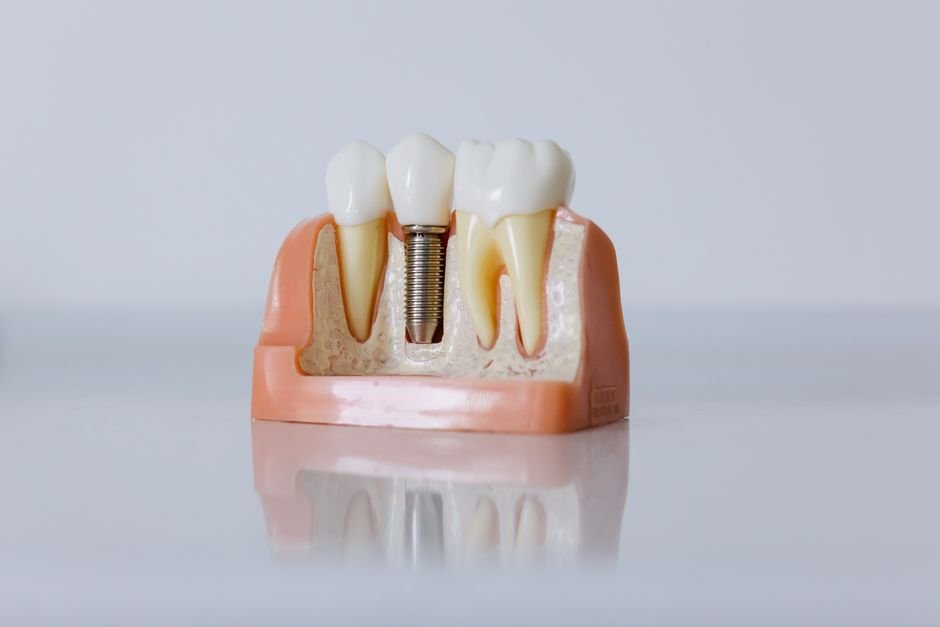
When a tooth is lost and not replaced, the surrounding teeth no longer have a neighbour to keep them in position. Over months and years, adjacent teeth tend to tilt or drift into the empty space, while the opposing tooth in the other jaw can gradually over-erupt, growing slightly longer as it loses its usual point of contact. This chain reaction can throw off the entire bite, changing how the remaining teeth meet and creating new pressure points that were not present before.
These shifts do not happen quickly, which is why the consequences of an unreplaced missing tooth are often underestimated. What begins as a single gap can, over several years, lead to noticeable crowding elsewhere in the mouth, uneven wear on certain teeth, and a bite that feels less stable overall. Replacing a missing tooth in a reasonable timeframe, whichever option is chosen, helps maintain the spacing and support that keeps the rest of the bite functioning as intended.
Can Gum Disease Affect Orthodontic Stability?
Healthy gums and supporting bone are what keep teeth firmly anchored in place, so when gum disease progresses and begins to affect that supporting structure, teeth can gradually lose some of their stability. As the bone level around a tooth decreases, the tooth has more room to move under everyday chewing pressure, which can lead to gradual drifting, spacing, or flaring, particularly in the front teeth. This is sometimes one of the more visible signs that gum health has been declining for some time.
Because this type of movement is a consequence of changes happening below the gumline, it can develop quietly and may only become obvious once teeth have already shifted noticeably. Consistent oral hygiene and professional cleaning are important not just for the gums themselves but for preserving the position of the teeth over the long term. Where gum disease has already caused some movement, a dental professional can advise on whether stabilisation, orthodontic adjustment, or a combination of approaches is appropriate.
Why Do Orthodontic Problems Often Go Unnoticed Until They Worsen?
Because the forces driving orthodontic change act slowly and continuously, the mouth adapts to small shifts almost as they happen, which makes them easy to overlook day to day. A slight overlap between two front teeth, a gradually narrowing gap, or a bite that feels marginally different when chewing on one side can all be present for a long time before they register as a noticeable problem. People often only recognise the change when they compare old photographs or notice food catching between teeth in a new way.
This gradual nature is precisely why routine dental check-ups play such an important role in catching orthodontic changes early. A dental professional examining the mouth at regular intervals can often spot subtle shifts in spacing, wear patterns, or bite contact well before they become obvious to the person experiencing them. Identifying these changes early generally means more options are available and any necessary treatment tends to be simpler than addressing a bite that has been allowed to shift substantially over many years.
How Can Orthodontic Problems Be Prevented or Managed Early?
While some orthodontic tendencies are inherited and cannot be entirely prevented, many of the factors that worsen bite problems over time can be managed. Addressing childhood habits such as prolonged dummy use or mouth breathing, replacing missing teeth promptly, maintaining strong gum health, and wearing retainers as recommended after treatment are all practical steps that reduce the likelihood of significant misalignment developing or returning. Attention to these everyday factors often matters just as much as any single treatment decision.
Regular dental visits remain one of the most reliable ways to stay ahead of orthodontic change, since they allow small shifts to be identified and monitored before they progress. When early signs of movement, crowding, or bite changes are picked up, a dental professional can discuss whether simple monitoring is enough or whether some form of orthodontic guidance would help maintain a stable, comfortable bite. Consistent, proactive dental care throughout life is generally more effective than reacting only once a problem has become pronounced.
Frequently Asked Questions
Is it normal for teeth to shift slightly with age, even without any obvious problem?
Yes, gradual shifting is a normal part of ageing because teeth sit in a ligament that allows small amounts of movement throughout life. Lower front teeth becoming slightly more crowded over the decades is a common pattern, even in people who never had noticeable orthodontic issues earlier in life.
Can adults develop orthodontic problems even if their teeth were straight as children?
Yes, factors such as tooth loss, gum disease, natural drifting, and changes in jaw function can all contribute to new alignment issues appearing in adulthood, regardless of how straight the teeth were during childhood or the teenage years.
Why do teeth sometimes move back out of place after orthodontic treatment?
This is known as relapse, and it happens because teeth naturally tend to drift toward their original position unless retainers are worn consistently. The surrounding bone and ligament continue to remodel slowly for life, so ongoing retention is usually needed to maintain results.
Does losing a single tooth really affect the whole bite over time?
Yes, an unreplaced missing tooth allows neighbouring teeth to tilt into the gap and the opposing tooth to over-erupt, which gradually changes how the whole bite meets. These effects build up over months and years rather than appearing immediately.
How often should orthodontic alignment be checked as part of routine dental care?
Alignment and bite function are typically assessed at each routine dental check-up, which is generally recommended every six to twelve months. This regular monitoring allows subtle shifts to be identified early, when management options are usually simpler.
Disclaimer: This article is for informational purposes only and does not constitute medical or dental advice. Always consult a qualified dental professional before making any decisions about your oral health or treatment options.