
A single damaged tooth rarely stays a single-tooth problem, because the teeth work together as one connected system. When a tooth is chipped, cracked, worn, decayed, or lost, the way the upper and lower teeth meet is altered, and the mouth adjusts by shifting chewing to other areas, tilting or drifting nearby teeth, and changing …

A single damaged tooth rarely stays a single-tooth problem, because the teeth work together as one connected system. When a tooth is chipped, cracked, worn, decayed, or lost, the way the upper and lower teeth meet is altered, and the mouth adjusts by shifting chewing to other areas, tilting or drifting nearby teeth, and changing muscle patterns in the jaw. Over months and years these adjustments can lead to uneven wear, tooth movement, jaw discomfort, and further breakdown, which is why prompt repair of even a small problem protects the whole bite.
Key takeaways
- Teeth function as a connected unit, so one damaged tooth changes forces across the whole arch.
- A lost or broken tooth lets neighbouring and opposing teeth drift, tilt, or over-erupt.
- Uneven contact points concentrate force, causing wear, sensitivity, and cracks elsewhere.
- Chewing on one side to avoid a sore tooth strains the jaw joint and muscles.
- Early repair keeps the bite stable and prevents a cascade of further problems.
How Do Teeth Work Together as a System?
A healthy bite distributes the force of chewing evenly across many teeth, and each tooth has contact points with its neighbours and with the teeth in the opposite jaw. These contacts hold each tooth in position, rather like books held upright by others on a shelf. The jaw muscles, the joint in front of each ear, and the nerves that sense pressure all coordinate to keep this arrangement balanced.
Because everything is linked, a change in one place is felt elsewhere. Remove or alter one contact and the forces that were shared now fall on fewer teeth, and the teeth that relied on that contact for support can begin to move. The bite is not a set of independent parts but a balanced structure, and damage anywhere disturbs that balance.
What Happens When a Tooth Is Lost and Not Replaced?
An empty space sets off predictable movement. The teeth on either side of the gap gradually tilt or drift toward it, because the contact that held them upright is gone. The tooth in the opposite jaw, no longer meeting anything when the mouth closes, slowly erupts further out of its socket to find contact, a process called over-eruption.
As these teeth move, new gaps open up where food traps, cleaning becomes harder, and decay and gum problems are more likely. Tilted teeth also receive force at an angle they are not designed for, which stresses their roots and the surrounding bone. What began as one missing tooth becomes several teeth in the wrong position, and the longer the gap is left, the more complex it is to correct.
How Does a Chipped or Cracked Tooth Change the Bite?
When part of a tooth breaks away, the height and shape of its biting surface change, so it no longer meets the opposing tooth the way it did. The mouth often finds a new closing position that avoids the rough or sharp edge, and this altered position shifts load onto other teeth and changes how the jaw muscles fire.
A cracked tooth can flex slightly under pressure, which is uncomfortable and can worsen the crack over time. People frequently start favouring the other side without realising it. Even a small unrepaired chip can, over months, contribute to sensitivity in neighbouring teeth, accelerated wear on the teeth now taking extra force, and a feeling that the bite is no longer quite right.
Why Does Worn Enamel Affect More Than One Tooth?
Tooth wear from grinding, acidic erosion, or years of heavy use flattens the cusps that guide the jaw into place. When these guiding surfaces are lost, the lower jaw can slide further before the teeth stop it, and the front teeth or certain back teeth may end up taking force in directions they tolerate poorly.
Wear also tends to spread. Once a few teeth are shortened, the remaining taller teeth hit first and hardest each time the mouth closes, so they wear faster in turn. Without intervention, the whole bite can gradually collapse in height, changing the appearance of the smile and the lower face and putting strain on the jaw joints.
What Is the Effect on the Jaw Joint and Muscles?
The jaw joint, or temporomandibular joint, works best when the teeth meet evenly and the muscles can settle into a comfortable, repeatable closing position. A damaged tooth that creates an uneven or premature contact forces the muscles to constantly adjust, which can leave them fatigued and tender, sometimes causing headaches around the temples or aching along the jaw.
Chewing predominantly on one side to protect a painful tooth adds to this. The working side muscles are overused while the other side is underused, and the joint on each side experiences different loads. Many people with long-standing tooth damage report jaw tightness, clicking, or discomfort that improves once the underlying dental problem is properly treated and even chewing is restored.
How Quickly Do These Changes Happen?
The timeline varies. Over-eruption and drifting after a lost tooth can become noticeable within months and significant within a year or two, though it differs between individuals. Wear-related changes usually build more slowly, over several years, but accelerate once the protective tooth shape is lost. Jaw muscle strain from an uneven bite can appear within weeks of the change.
Age, bite force, grinding habits, and the number of remaining teeth all affect how fast things move. A younger person with a strong bite and a habit of clenching may see rapid changes, while someone with a gentle bite might have longer before problems compound. In all cases, the direction of travel is the same, and waiting only makes correction harder.
What Treatments Restore a Balanced Bite?
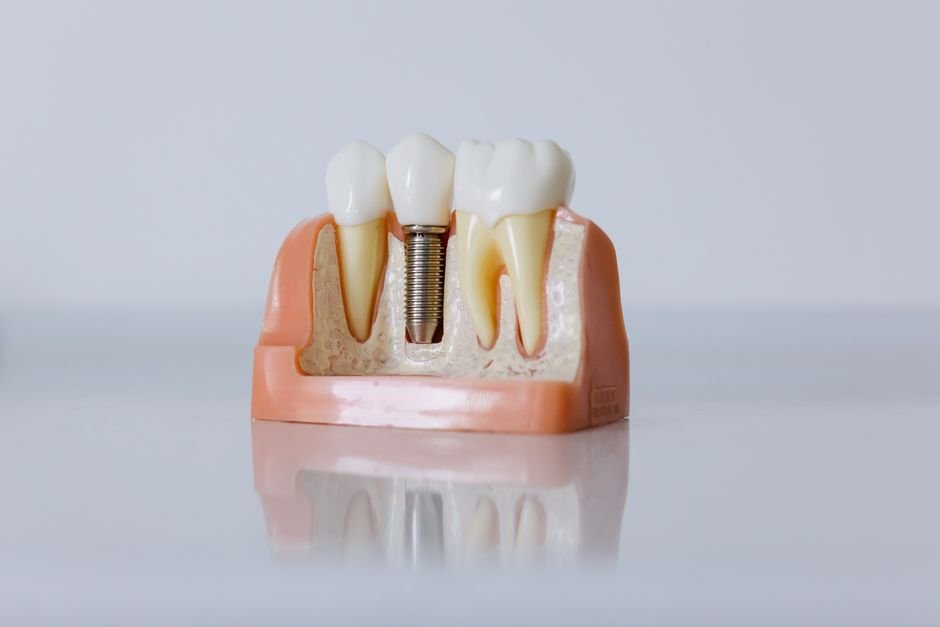
The right treatment depends on the type and extent of damage. A chip or small crack may be repaired with bonding or a crown that rebuilds the correct biting surface. A lost tooth can be replaced with an implant, a bridge, or a denture to fill the space and stop neighbouring teeth from moving. Worn teeth may need crowns, onlays, or a broader rebuild that restores lost height.
Where teeth have already drifted, orthodontic treatment can move them back into position before restorative work is done. The dentist checks the bite carefully afterwards, adjusting contacts so that force is shared evenly again. In some cases a night guard is added to protect the result from grinding. The aim is always to return the system to balance, not just to fix the one visible tooth.
How Do Dentists Check Whether Your Bite Is Balanced?
A bite assessment uses a few simple tools. Thin coloured marking paper is placed between the teeth and you are asked to tap together and grind gently, which leaves marks showing where and how hard the teeth are meeting. Heavy or uneven marks point to contacts that are taking too much force. The dentist also watches how your lower jaw moves from side to side and forward, checking that the teeth guide it smoothly.
They will feel the jaw muscles and the joints for tenderness, ask about clicking, locking, or morning stiffness, and look for the tell-tale signs of an unbalanced bite: shiny wear facets, hairline cracks, notches at the gumline, and teeth that have started to loosen or shift. Putting these findings together tells the dentist whether a damaged tooth has already disturbed the wider system and how urgently it needs addressing.
Can Children’s Bites Be Affected by a Damaged Baby Tooth?
Yes. A baby tooth that is badly decayed, broken, or lost early can allow the neighbouring teeth to drift, reducing the space held for the adult tooth developing underneath. Because baby teeth guide the permanent teeth into position, losing one prematurely can lead to crowding, an adult tooth erupting in the wrong place, or a bite that does not meet evenly once the permanent teeth arrive.
This is why dentists often recommend repairing decayed baby teeth rather than simply waiting for them to fall out, and why a space maintainer may be fitted if a back baby tooth is lost well ahead of schedule. Keeping the baby bite intact protects the alignment of the adult bite that follows, so damage to a child’s tooth is worth acting on rather than dismissing as temporary.
How Can You Protect Your Bite Day to Day?
Deal with damage early. Book an appointment when you notice a chip, a rough edge, sensitivity to biting, or a filling that feels high, rather than waiting for pain. Prompt repair keeps the change contained to one tooth. If a tooth is removed, discuss replacement options promptly so the plan is in place before the surrounding teeth start to move.
Reduce avoidable stress on your teeth by not chewing ice or hard objects, wearing a mouthguard for contact sport, and using a night guard if you grind or clench. Keep up with checkups so a dentist can spot uneven wear or early drifting before you feel it. A stable bite is much easier to maintain than to rebuild.
Frequently Asked Questions
If a damaged tooth does not hurt, can I leave it?
It is not advisable. Many bite problems progress without pain, and a tooth that feels fine can still be changing how your other teeth meet. Having it assessed early usually means a smaller, simpler repair.
How soon after losing a tooth do other teeth move?
Drifting and over-eruption can begin within a few months and often become noticeable within a year. The speed varies between people, but the space rarely stays stable, so replacement planning should not be delayed.
Can an uneven bite really cause headaches?
It can contribute to them. When teeth meet unevenly, the jaw muscles work harder to find a comfortable position, and this sustained tension can lead to headaches around the temples and aching in the jaw for some people.
Will replacing one missing tooth fix the whole problem?
If done before other teeth have moved, replacing the tooth often restores balance on its own. If neighbouring teeth have already tilted or over-erupted, additional treatment such as orthodontics or reshaping may be needed first.
Does grinding make bite problems from a damaged tooth worse?
Yes. Grinding multiplies the force passing through the teeth, so an already uneven bite wears and breaks down faster. A custom night guard helps protect both the remaining teeth and any restorative work.
Disclaimer: This article is for informational purposes only and does not constitute medical or dental advice. Always consult a qualified dental professional before making any decisions about your oral health or treatment options.