
Crooked, crowded, or gapped teeth are usually seen as a cosmetic issue, but the way teeth and jaws line up affects almost every function of the mouth. Orthodontic treatment repositions teeth so they meet correctly, which makes chewing more efficient, eases strain on the jaw joints, and makes daily cleaning far more effective. The visible …
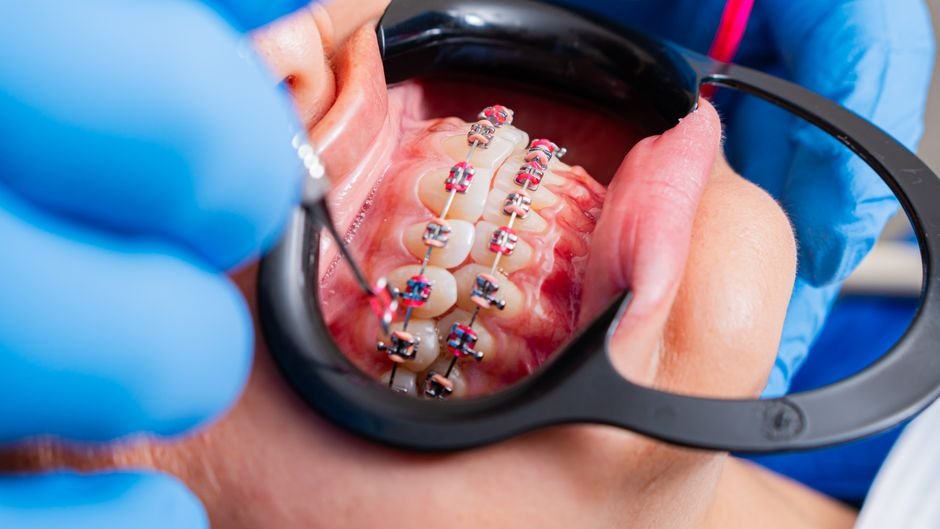

Crooked, crowded, or gapped teeth are usually seen as a cosmetic issue, but the way teeth and jaws line up affects almost every function of the mouth. Orthodontic treatment repositions teeth so they meet correctly, which makes chewing more efficient, eases strain on the jaw joints, and makes daily cleaning far more effective. The visible result is a straighter smile, but the more important outcome is a mouth that works better, cleans more easily, and stays healthier for years to come.
Key takeaways
- Straighter teeth are easier to clean, which lowers the risk of decay and gum disease.
- Correcting a misaligned bite can reduce abnormal tooth wear, jaw strain, and muscle tension.
- Well-aligned teeth distribute chewing forces more evenly, protecting both teeth and gums over time.
- Orthodontic correction can improve speech clarity in cases involving significant gaps or overjet.
- A stable, aligned bite supports the long-term health of teeth, gums, and jaw joints alike.
Why does tooth alignment matter for oral health?
Teeth that overlap, crowd together, or sit at odd angles create tight spaces where a toothbrush bristle or piece of floss struggles to reach. Plaque builds up in these hidden corners far more readily than it does along a smooth, evenly spaced row of teeth. Over time, that trapped plaque hardens into tartar, which only a dental professional can remove, and the bacteria within it steadily irritate the gums and erode enamel.
When teeth are properly aligned, every surface becomes accessible to a normal brushing and flossing routine. This does not eliminate the need for good habits, but it removes many of the physical obstacles that make thorough cleaning difficult. The practical result is fewer stagnant plaque sites, which translates into a genuinely lower risk of cavities and gum inflammation across the whole mouth, not just around the crowded teeth themselves.
How does straightening teeth affect gum health?
Gum health depends heavily on how well plaque is controlled at the point where each tooth meets the gum line. Crowded or rotated teeth often create small ledges and overlaps that push the gum tissue out of its natural shape, forming pockets where bacteria can multiply undisturbed. Over months and years, this low-grade irritation can progress into more persistent gum inflammation that is harder to reverse with brushing alone.
Once teeth are moved into a more natural arch, the gum tissue can settle into a healthier contour around each tooth. This makes it easier for a toothbrush or interdental brush to disrupt plaque right at the gum margin, where it matters most. Many people also find that professional cleanings become quicker and more comfortable afterwards, since the hygienist can access every surface without navigating around overlapping teeth.
Can orthodontic treatment ease jaw and bite problems?
A bite where the upper and lower teeth do not meet correctly is known as a malocclusion, and it comes in several forms, including deep overbites, underbites, crossbites, and open bites. Each of these patterns forces the jaw muscles and joints to work in ways they were not designed for, often compensating with awkward movements just to bring the teeth together comfortably for chewing or speaking.
Over time, this compensation can place uneven, repetitive strain on the joints connecting the jaw to the skull. Some people notice clicking, popping, or a feeling of tightness in this area, particularly after prolonged talking or chewing. Orthodontic treatment aims to bring the bite into a more balanced relationship, which allows the surrounding muscles and joints to function with less compensatory effort day to day.
Does straighter teeth improve chewing and digestion?
Chewing is the first mechanical step in digestion, and it works best when opposing teeth meet evenly across the full width of the mouth. A misaligned bite often means only a few teeth make proper contact, forcing a person to favour one side or chew with less efficiency overall. Food that is not broken down thoroughly places extra demand on the stomach and digestive tract further along the process.
When teeth are aligned, the forces of chewing spread evenly across the whole arch rather than concentrating on a handful of teeth. This even distribution not only makes food easier to break down but also reduces the excessive wear that falls on overworked teeth in a misaligned bite. Over years, this protects enamel and lowers the likelihood of chips, cracks, or premature wear on the most heavily used teeth.
How does orthodontic treatment affect speech?
The teeth, tongue, and lips work together to shape airflow into the specific sounds of speech, and the position of the front teeth plays a particularly important role. Noticeable gaps, significant overjet, or teeth that do not meet properly can change how air escapes during certain sounds, especially sibilant sounds like “s” and “z” or sounds that require the tongue to touch the back of the front teeth.
Moving teeth into a more typical position can reduce or resolve speech difficulties that stem directly from tooth position, though it is worth noting that not every speech pattern is dental in origin. Many people who complete orthodontic treatment notice their speech feels more natural and requires less conscious effort, particularly if they had a pronounced gap or protrusion beforehand that interfered with airflow.
What is the connection between alignment and jaw pain or headaches?
When the bite is uneven, the muscles that close the jaw often have to work harder or in unusual patterns to bring the teeth together for chewing, swallowing, or even resting. This extra muscular effort, repeated many times throughout the day, can lead to fatigue and tension in the muscles around the jaw, temples, and sometimes the neck and shoulders as compensating muscle groups become involved.
Many people who experience recurring jaw tightness or tension-type headaches find that correcting a significant bite imbalance reduces the frequency or intensity of these symptoms. Headaches have many possible causes, so orthodontic treatment is not a guaranteed cure, but where a misaligned bite is a contributing factor, bringing the teeth into better balance can meaningfully ease the strain that was driving the discomfort.
How does orthodontic treatment support long-term dental health?
Teeth that meet unevenly tend to wear unevenly too, with certain edges or surfaces taking on far more force than they were built to handle. Over years, this can lead to flattened or chipped edges, small fractures, and increased sensitivity in the teeth that bear the brunt of the imbalance. Existing dental work, such as fillings or crowns, is also more likely to fail early under this kind of repetitive, concentrated pressure.
A well-aligned bite spreads these everyday forces far more evenly, which protects both natural enamel and any restorative work already in the mouth. This reduces the likelihood of needing more extensive, complex dental treatment later on simply to repair damage caused by years of uneven wear. In this sense, orthodontic treatment functions as a form of preventive care that pays off gradually over the following decades.
What role does confidence and wellbeing play in orthodontic outcomes?
A smile is one of the first things people notice, and self-consciousness about crowded, gapped, or protruding teeth can affect how comfortable someone feels smiling, speaking up, or being photographed. This is not a trivial concern; the psychological weight of feeling uneasy about one’s teeth can influence social confidence and general wellbeing in ways that extend well beyond the mouth itself.
Beyond the emotional lift of a straighter smile, increased confidence often has a practical knock-on effect on oral hygiene habits. People who feel proud of their smile are frequently more motivated to look after it, keeping up with brushing, flossing, and regular check-ups. This creates a positive cycle where the psychological and physical benefits of orthodontic treatment reinforce one another over time.
Frequently Asked Questions
How long does orthodontic treatment typically take?
Treatment length varies considerably depending on how much movement the teeth need, but many courses of treatment run from around one to two years. Minor corrections can sometimes be completed more quickly, while more complex bite issues may take longer. A dental professional can only give an accurate estimate after examining the teeth and bite directly.
Is orthodontic treatment only for children and teenagers?
No. While early treatment can take advantage of a growing jaw, orthodontic treatment works for adults of any age because the biological process of moving teeth through bone does not stop once growth is complete. Many adults choose treatment later in life to address bite problems, crowding, or wear that has developed or worsened over time.
Will I need to wear a retainer after treatment?
Yes, almost always. Teeth have a natural tendency to drift back toward their original positions after being moved, so a retainer is used to hold them in place while the surrounding bone and gum tissue stabilise. Retainer wear typically reduces over time but often continues in some form indefinitely to protect the result.
Does orthodontic treatment hurt?
Most people experience mild pressure or tenderness for a few days after adjustments, rather than sharp pain. This discomfort is generally manageable and settles down as the teeth adjust to each stage of movement. Any pain that is severe, persistent, or accompanied by swelling should be checked by a dental professional promptly.
Can orthodontic treatment fix jaw pain on its own?
It can help when a misaligned bite is a genuine contributing factor to jaw tension or discomfort, since correcting the bite reduces the uneven muscular strain involved. However, jaw pain can also stem from clenching, grinding, stress, or joint issues unrelated to tooth position, so a proper assessment is needed to identify the actual cause before assuming orthodontic treatment alone will resolve it.
Disclaimer: This article is for informational purposes only and does not constitute medical or dental advice. Always consult a qualified dental professional before making any decisions about your oral health or treatment options.