
Gum contouring reshapes the visible gum line by removing or redistributing small amounts of excess gum tissue, which can make teeth appear longer, more even, and better proportioned within the smile. It is most often considered by people who feel their teeth look short or square because too much gum tissue covers the tooth crowns, …
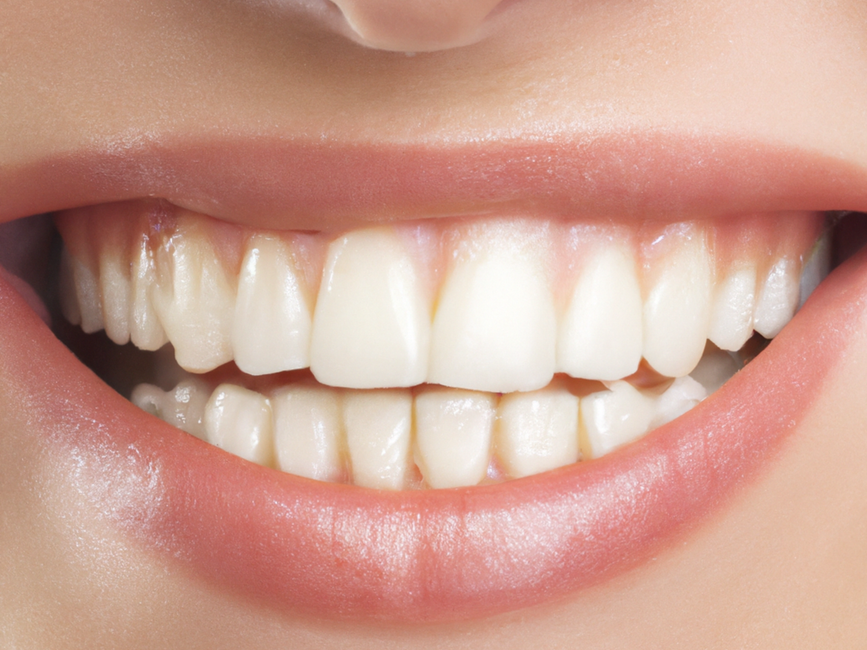

Gum contouring reshapes the visible gum line by removing or redistributing small amounts of excess gum tissue, which can make teeth appear longer, more even, and better proportioned within the smile. It is most often considered by people who feel their teeth look short or square because too much gum tissue covers the tooth crowns, or by those whose gum line appears uneven from one side of the mouth to the other. Because the procedure focuses purely on soft tissue rather than the teeth themselves, it can produce a noticeably more balanced smile without altering the natural shape of the teeth underneath.
Key takeaways
- Gum contouring reshapes soft tissue to reveal more of the natural tooth crown and improve overall proportion.
- It is commonly used to address a gummy smile or uneven gum lines across the upper front teeth.
- The procedure is typically quick, performed under local anaesthetic, and involves a manageable recovery period.
- Results are usually long-lasting, since healthy gum tissue does not naturally grow back over the treated area.
- Contouring is often combined with other cosmetic treatments to achieve a more complete smile transformation.
What Does Gum Contouring Actually Involve?
Gum contouring, sometimes called gum reshaping or gingival sculpting, involves carefully removing small amounts of gum tissue to reveal more of the tooth crown beneath, or evening out gum tissue that sits at different heights across the smile. A dentist maps out the desired new gum line before treatment, often using a guide to ensure the final result looks symmetrical and proportionate to the surrounding teeth and facial features rather than arbitrary.
Modern approaches frequently use a soft tissue laser, which allows for precise removal of tissue with minimal bleeding and a comparatively comfortable recovery compared to older surgical methods. The tissue is reshaped gradually, checking proportions throughout the process, since even small adjustments in gum height can noticeably change how a tooth appears once treatment is complete.
Who Typically Considers Gum Contouring?
People often pursue gum contouring when they feel their smile looks disproportionately gummy, meaning a larger amount of gum tissue is visible relative to the visible tooth surface when smiling. This can make teeth appear shorter or more square than they actually are, even when the teeth themselves are healthy and well-aligned. Others seek contouring because their gum line is uneven, with some teeth appearing shorter due to more gum coverage than their neighbours.
It is also sometimes recommended alongside other cosmetic dental work, such as veneers or bonding, to ensure the surrounding gum tissue frames the new tooth shape evenly. In these combined cases, contouring is often performed first, allowing the gum line to heal and settle into its new shape before any additional cosmetic work is completed on the teeth themselves.
How Does Excess Gum Tissue Develop in the First Place?
A gummy smile can develop for several different reasons, including genetics, the natural way teeth erupted during development, or an overactive upper lip muscle that lifts higher than average when smiling. In some cases, gum tissue simply grew to cover more of the tooth crown than is typical, without any connection to gum disease or poor oral hygiene, meaning it is a structural characteristic rather than a sign of an underlying problem.
Certain medications and some inflammatory conditions can also cause gum tissue to enlarge over time, which is a different situation from a naturally gummy smile and requires addressing the underlying cause alongside any cosmetic treatment. A dentist typically evaluates the reason behind excess gum tissue before recommending contouring, since the appropriate approach can differ depending on the underlying cause.
What Happens During a Typical Gum Contouring Appointment?
Most gum contouring procedures are completed in a single visit, beginning with a local anaesthetic to ensure the area being treated is completely numb throughout. Once the tissue is numb, the dentist uses a laser or other precise instrument to carefully remove or reshape the targeted gum tissue according to the plan established beforehand, checking symmetry and proportion at each stage of the process.
Because laser techniques cauterise tissue as they work, bleeding during the procedure is typically minimal, and many patients are surprised by how quickly the appointment is completed. Depending on how many teeth are involved, treatment can often be finished within an hour, after which patients are usually able to leave and resume most normal activities the same day with only minor precautions.
What Does Recovery From Gum Contouring Look Like?
Recovery from laser-assisted gum contouring is generally comfortable compared to older surgical gum procedures, with most people experiencing mild swelling or tenderness for a few days rather than significant pain. Over-the-counter pain relief is usually sufficient to manage any discomfort, and most people find they can return to work or normal routines within a day or two of treatment.
During the initial healing period, softer foods and gentle brushing around the treated area are typically recommended to avoid irritating the tissue while it settles into its new shape. Full healing, during which the gum tissue fully matures and settles into its final contour, generally takes a few weeks, though the visible improvement in smile appearance is often noticeable much sooner than this.
Are the Results of Gum Contouring Permanent?
In most cases, the results of gum contouring are long-lasting, since healthy gum tissue that has been reshaped does not typically regrow to cover the tooth crown again in the same way it did before treatment. This makes contouring a comparatively stable cosmetic solution once the initial healing period is complete and the final gum shape has settled.
However, if excess gum tissue originally developed due to an underlying factor such as certain medications or gum inflammation, results can be less stable unless that underlying cause is also addressed. Maintaining good oral hygiene after treatment plays an important role in preserving the new gum contour, since ongoing plaque buildup or gum disease could otherwise affect the treated tissue over time.
Can Gum Contouring Be Combined With Other Cosmetic Treatments?
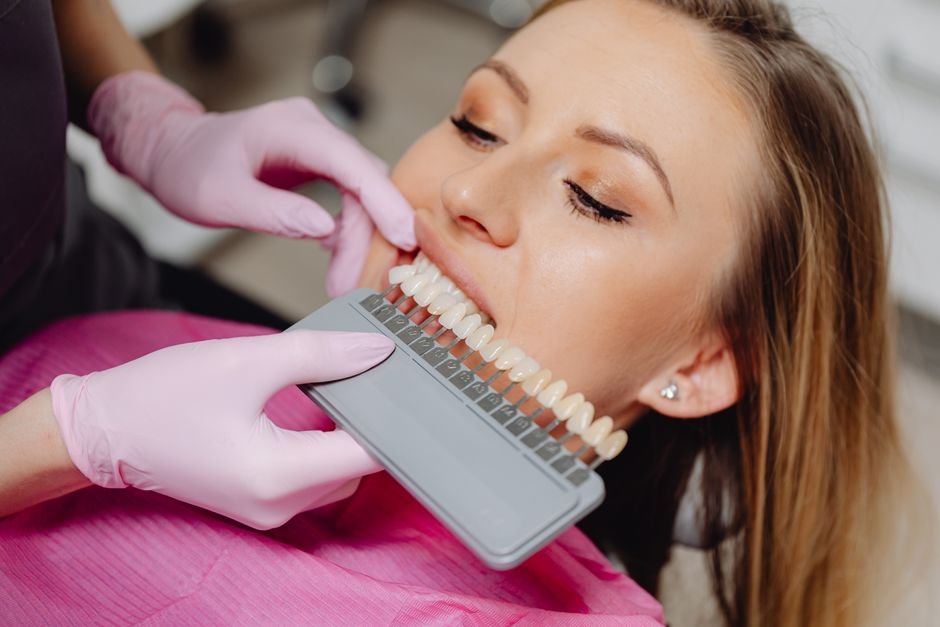
Gum contouring is frequently paired with treatments such as veneers, bonding, or teeth whitening to achieve a more complete and cohesive smile transformation. When teeth appear short primarily due to excess gum coverage rather than actual tooth length, reshaping the gum line first can sometimes reduce or eliminate the need for more extensive work on the teeth themselves.
In cases where both gum tissue and tooth shape need adjustment, contouring is usually completed first, allowing the gums to heal fully before impressions are taken or further cosmetic work begins. This sequencing helps ensure that any veneers or bonding applied afterwards are designed around the smile’s final gum proportions rather than its appearance before treatment.
What Should Someone Consider Before Choosing Gum Contouring?
Before proceeding with gum contouring, it is important to have a thorough evaluation to confirm the excess or uneven gum tissue is not related to an underlying condition such as gum disease, since treating the symptom without addressing an active condition would not provide a lasting result. A dentist will typically assess overall gum health as part of this initial evaluation.
It is also worth discussing expectations clearly, including how much tooth structure will become visible and how the final proportions will look across the whole smile rather than a single tooth. Viewing digital mock-ups or photographs of similar previous cases can help set realistic expectations for the specific improvement contouring is likely to achieve in an individual situation.
Frequently Asked Questions
Is gum contouring painful?
The procedure itself is performed under local anaesthetic, so discomfort during treatment is minimal. Some mild soreness or sensitivity is common for a few days afterwards, and this is usually manageable with over-the-counter pain relief and gentle care around the treated area.
How long does it take to see the final results?
The improved shape is often visible almost immediately after treatment, though the gum tissue continues to heal and settle into its final contour over the following few weeks. Most of the visible change is apparent well before this full healing process is complete.
Will my gum tissue grow back after contouring?
Healthy tissue that has been reshaped generally does not regrow to its previous coverage, making results reasonably permanent for most people. If excess tissue was linked to an underlying cause like certain medications, that factor would need to be addressed to maintain lasting results.
Can gum contouring fix an uneven smile on its own?
It can significantly improve unevenness caused by gum tissue covering teeth at different heights. If unevenness is also related to tooth size or shape, contouring is often combined with treatments such as bonding or veneers for a more complete correction.
Does gum contouring affect how my teeth function?
No, gum contouring is a cosmetic soft tissue procedure that does not alter the structure or function of the teeth themselves. Chewing, speaking, and bite alignment remain unaffected, since the treatment focuses solely on reshaping the surrounding gum tissue.
Disclaimer: This article is for informational purposes only and does not constitute medical or dental advice. Always consult a qualified dental professional before making any decisions about your oral health or treatment options.