
Restorative dentistry supports long term chewing function by rebuilding damaged or missing tooth structure so the bite works evenly across the whole mouth, rather than placing excessive strain on a few remaining healthy teeth. When a tooth is decayed, cracked, or missing altogether, the surrounding teeth and jaw joints often compensate in ways that create …

Restorative dentistry supports long term chewing function by rebuilding damaged or missing tooth structure so the bite works evenly across the whole mouth, rather than placing excessive strain on a few remaining healthy teeth. When a tooth is decayed, cracked, or missing altogether, the surrounding teeth and jaw joints often compensate in ways that create uneven wear and discomfort over time. Restorations such as fillings, crowns, bridges, and implants are designed not only to repair individual teeth but to preserve balanced chewing function across the entire dental arch for years to come.
Key takeaways
- Damaged or missing teeth force other teeth to compensate, often leading to uneven wear and jaw strain.
- Restorations like crowns and fillings rebuild lost structure so bite force is distributed evenly again.
- Replacing missing teeth prevents neighbouring teeth from shifting and disrupting the overall bite alignment.
- Restorative materials are engineered to withstand the repeated forces of daily chewing over many years.
- Addressing damage early tends to preserve more natural chewing function than waiting until problems worsen.
Why Does a Balanced Bite Matter for Long Term Oral Health?
A balanced bite distributes the force generated during chewing evenly across all the teeth, allowing each tooth to handle only its fair share of the workload involved in breaking down food. When this balance is disrupted, whether by a missing tooth, an uneven filling, or a tooth that has shifted position, the remaining teeth are forced to absorb disproportionate amounts of pressure with every bite. Over months and years, this imbalance can accelerate wear on the overworked teeth.
An uneven bite can also place additional strain on the jaw joints and surrounding muscles, sometimes contributing to discomfort, headaches, or joint clicking that seems unrelated to the teeth at first glance. Restorative dentistry aims to correct these imbalances at their source, rebuilding damaged structure so that chewing forces are once again shared appropriately across the full arch rather than concentrated on a smaller number of teeth.
How Does a Single Damaged Tooth Affect the Whole Mouth?
It might seem like damage confined to one tooth would have a limited, localised effect, but the mouth functions as an interconnected system where every tooth plays a role in overall bite mechanics. A cracked or badly decayed tooth is often avoided during chewing because it causes discomfort, which shifts more of the workload onto teeth on the opposite side of the mouth. Over time, this favouring pattern can lead to uneven wear developing on the side doing most of the work.
Left unaddressed, a single damaged tooth can also allow adjacent teeth to tilt slightly into the space created by reduced function, subtly altering how the entire bite comes together. Restorative treatment addresses the root problem directly, allowing the affected tooth to return to normal use and restoring the natural balance of chewing forces across the mouth as a whole.
What Happens to Chewing Function When a Tooth Is Missing?
A missing tooth leaves a gap that changes the mechanics of chewing far more significantly than many people expect. Neighbouring teeth often begin to drift or tilt into the empty space over time, while the opposing tooth in the other jaw may gradually shift downward or upward since it no longer meets resistance during biting. These movements can misalign the bite in ways that affect chewing efficiency well beyond the immediate area of the missing tooth.
This is why replacing a missing tooth, whether with a bridge, implant, or partial denture, is about more than filling a visible gap. Restoring the missing tooth’s presence prevents this cascade of shifting and tilting, helping preserve the overall alignment and function of the bite for the surrounding teeth as well as the jaw joints that coordinate the entire chewing motion.
How Do Crowns Help Preserve Long Term Chewing Ability?
When a tooth has lost significant structure due to decay, a large filling, or a crack, a crown rebuilds its full shape and covers it completely, allowing it to withstand normal biting forces again without risk of further breakdown. Crowns are shaped to recreate the natural contours needed for effective chewing, including the cusps and grooves that help break down food efficiently during eating.
Beyond restoring individual tooth function, crowns also protect the remaining natural tooth structure underneath from further damage, since a weakened tooth left uncovered is more vulnerable to cracking under everyday chewing pressure. This protective function is particularly important for back teeth, which bear the greatest share of chewing force and are most affected when their structure is compromised.
What Role Do Fillings Play in Maintaining Chewing Function?
Fillings address smaller areas of decay or damage before they progress to the point of requiring more extensive restoration, rebuilding just enough of the tooth structure to restore normal shape and strength. Because fillings intervene at an earlier stage, they typically preserve more of the tooth’s original healthy structure compared to restorations needed for more advanced damage, which supports long term durability under everyday chewing forces.
Modern filling materials are engineered to bond closely with the remaining tooth structure and withstand the repeated pressure of biting and chewing over many years. Regular check-ups help catch decay early enough that a filling remains a sufficient solution, which is one of the most effective ways to preserve long term chewing function without needing more involved restorative treatment later on.
How Do Bridges and Implants Restore Function After Tooth Loss?
Bridges replace a missing tooth by anchoring a replacement to the neighbouring teeth, restoring a continuous chewing surface across the gap and preventing the drifting and tilting that would otherwise occur. This continuous surface allows chewing forces to be distributed as they would be with a natural tooth present, rather than leaving a functional gap in the bite.
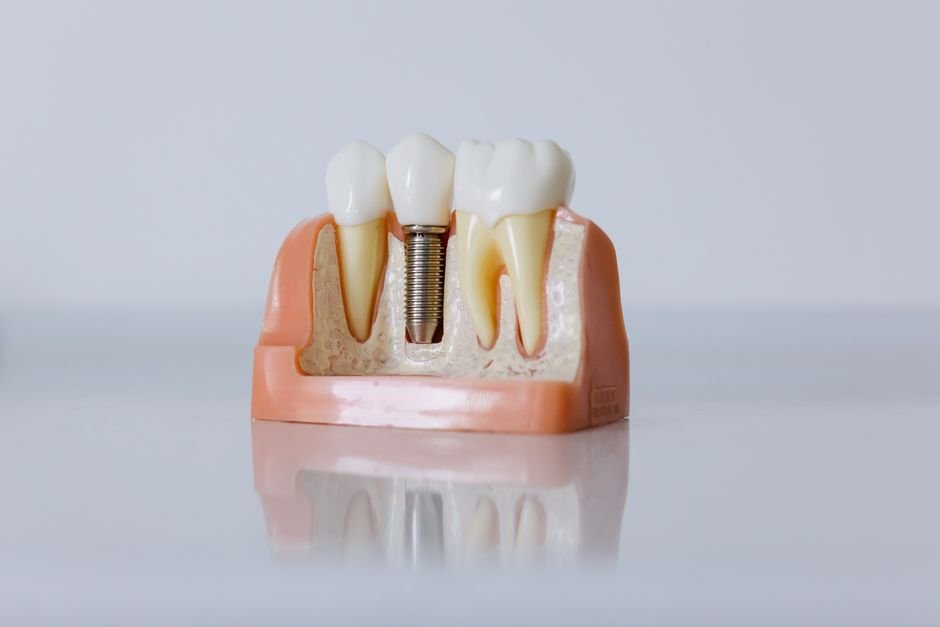
Implants take a different approach by replacing the tooth root directly within the jawbone, which allows the replacement tooth to function independently without relying on neighbouring teeth for support. Because implants integrate with the bone itself, they can provide chewing strength very close to that of a natural tooth, and they also help maintain jawbone density in the area, which further supports the long term stability of the surrounding bite.
Why Does Addressing Damage Early Preserve More Natural Function?
Restorative dentistry generally follows a principle of preserving as much natural tooth structure as possible, and this becomes easier to achieve the earlier damage is identified and treated. A small area of decay caught early may only require a conservative filling, while the same damage left untreated for years can progress to the point where a crown or root canal becomes necessary to save the tooth.
This progression matters for chewing function because more extensive restorations, while effective, ultimately involve removing more of the tooth’s original structure to accommodate the repair. Prioritising regular dental check-ups allows problems to be caught and addressed while more conservative, function-preserving options are still available, which tends to produce better long term outcomes for chewing comfort and efficiency.
How Can Ongoing Care Help Restorations Last as Long as Possible?
Once a tooth has been restored, whether through a filling, crown, bridge, or implant, ongoing care plays an important role in ensuring that restoration continues supporting healthy chewing function for as long as possible. Consistent brushing and flossing around the margins of a restoration helps prevent new decay from developing at the edges, which is one of the more common reasons restorations eventually need to be replaced.
Routine dental check-ups also allow a dentist to monitor how a restoration is holding up under everyday use, catching early signs of wear, loosening, or minor damage before they progress into larger problems. Avoiding habits such as chewing on very hard objects can further protect restorations, helping them continue supporting balanced, comfortable chewing function for many years after treatment is completed.
Frequently Asked Questions
How long do restorative treatments typically support normal chewing function?
Lifespan varies by treatment type and individual habits, but well-maintained fillings often last many years, while crowns, bridges, and implants can provide reliable chewing support for a decade or considerably longer with consistent oral hygiene and regular dental check-ups.
Can I chew normally right after getting a restorative treatment?
Most restorations allow a return to normal chewing once any local anaesthetic has worn off and initial sensitivity has settled, though a dentist may recommend avoiding very hard or sticky foods on the treated tooth for a short period following certain procedures.
Why does my bite feel different after a filling or crown?
A restoration that feels slightly high or uneven can disrupt the bite and cause discomfort. This is usually a simple adjustment a dentist can make quickly, and reporting any unusual bite sensation promptly helps prevent unnecessary strain on the surrounding teeth.
Is it worth replacing a missing back tooth if it doesn’t show when I smile?
Yes, back teeth play a major role in chewing efficiency even though they are less visible. Leaving a back tooth unreplaced can lead to shifting of neighbouring teeth and uneven bite forces, so restorative replacement is often recommended regardless of visibility.
What happens if a damaged tooth is left untreated for a long time?
Untreated damage tends to worsen over time, often requiring more extensive restorative treatment than would have been needed earlier. It can also affect neighbouring teeth and the overall bite, making early treatment generally simpler and more effective at preserving natural chewing function.
Disclaimer: This article is for informational purposes only and does not constitute medical or dental advice. Always consult a qualified dental professional before making any decisions about your oral health or treatment options.