
Zygomatic implants are extra-long dental implants anchored in the cheekbone (the zygoma) rather than the upper jawbone. They are used when severe bone loss in the upper jaw makes standard implants impossible without extensive bone grafting, and they can allow a fixed set of upper teeth to be fitted, often much sooner than traditional grafting …

Zygomatic implants are extra-long dental implants anchored in the cheekbone (the zygoma) rather than the upper jawbone. They are used when severe bone loss in the upper jaw makes standard implants impossible without extensive bone grafting, and they can allow a fixed set of upper teeth to be fitted, often much sooner than traditional grafting approaches would allow.
Key takeaways
- Zygomatic implants anchor in the dense cheekbone, bypassing a thin or weakened upper jaw.
- They are mainly considered for people with significant upper jaw bone loss who want fixed teeth.
- They can reduce or avoid the need for major bone grafting and long waiting periods.
- The procedure is complex and should be carried out by a clinician with specialist training and experience.
- Long-term success depends on careful planning, good oral hygiene and regular maintenance visits.
What Are Zygomatic Implants?
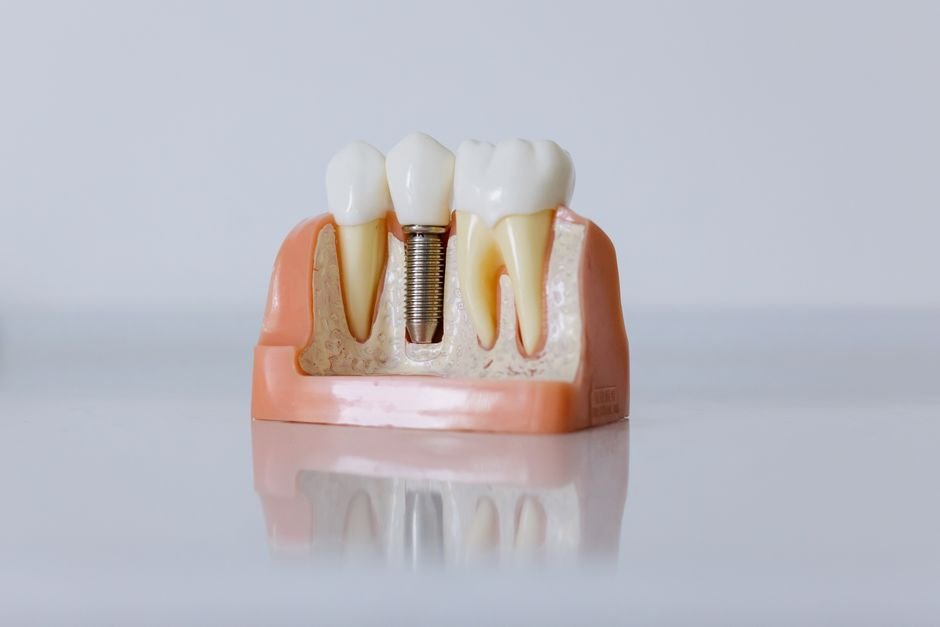
A standard dental implant is a small titanium post placed into the jawbone, where it fuses with the bone to act as an artificial tooth root. Zygomatic implants follow the same principle, but they are considerably longer and are placed at an angle so that their tip anchors in the zygomatic bone, more commonly known as the cheekbone. This bone is dense and robust, and it tends to remain strong even when the upper jaw has lost a great deal of bone over time.
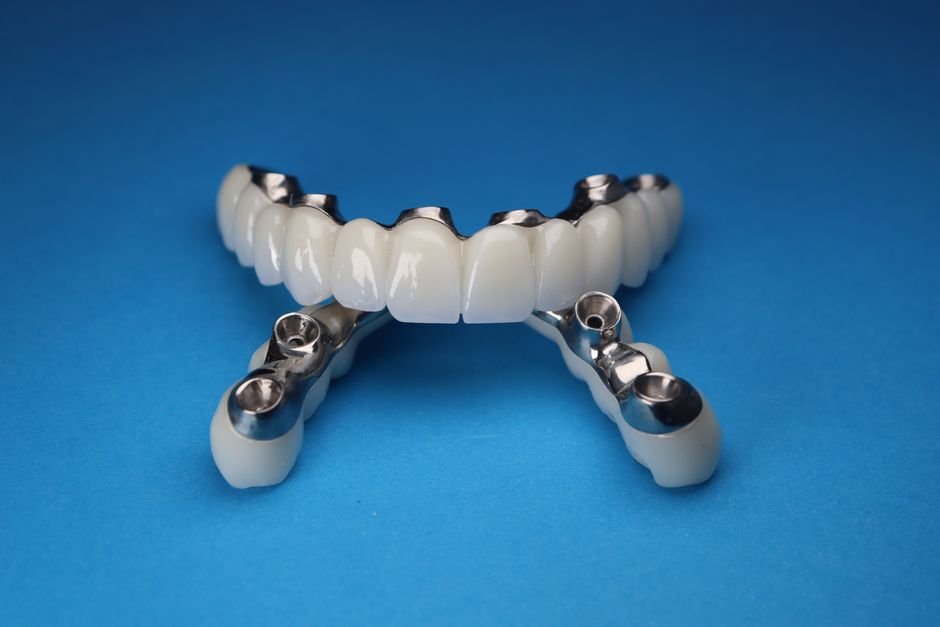
Zygomatic implants are almost always used in the upper jaw, often in combination with standard implants placed towards the front of the mouth where enough bone may remain. Together, these implants support a fixed bridge of replacement teeth that does not need to be removed at night. The approach was developed for people who had been told they were not suitable for implants because of bone loss, and it has become an established option in specialist implant dentistry for carefully selected patients.
Why Do Standard Implants Sometimes Fail to Be an Option?
Standard implants need enough healthy bone in both height and width to hold them securely. In the upper jaw, the bone is naturally softer than in the lower jaw, and it sits beneath the maxillary sinuses, which are air-filled spaces above the back teeth. When teeth are lost, the bone that once supported them gradually shrinks because it is no longer stimulated by chewing forces. At the same time, the sinuses can expand downwards, leaving very little bone for an implant to grip.
This bone loss can be made worse by long-term gum disease, years of wearing loose dentures, previous infections or injuries, and certain medical conditions. For some people, the remaining bone is so thin that standard implants simply cannot be placed safely. Traditionally, the solution was to rebuild the bone first using grafts and sinus lift procedures, then wait several months for healing before implants could go in. Zygomatic implants offer an alternative route by reaching past the depleted area to anchor in stronger bone.
Who Might Be a Candidate for Zygomatic Implants?
Zygomatic implants are generally considered for adults with severe bone loss in the upper jaw who wish to have fixed replacement teeth. This often includes people who have worn upper dentures for many years and struggle with loose fit, discomfort or difficulty eating. It may also include people who have previously had failed implants or bone grafts, or those who would prefer to avoid the extended timeline of major grafting. Each case depends on detailed assessment rather than a single deciding factor.
Suitability also depends on general health. People with uncontrolled diabetes, heavy smoking habits, untreated sinus problems or certain conditions affecting healing may face higher risks, and these need to be discussed openly. A thorough medical history, a full dental examination and three-dimensional imaging are usually required. Your clinician will look at the quality of your cheekbone, the shape of your sinuses and the position of surrounding structures before recommending this option. In some cases, alternative treatments may still be more appropriate, and a good clinician will explain all of them.
How Are Zygomatic Implants Planned?
Careful planning is essential because zygomatic implants pass close to delicate structures, including the sinuses, the eye socket and important nerves. Planning usually starts with a cone beam CT scan, which produces a detailed three-dimensional image of the jaw, sinuses and cheekbones. Using specialist software, the clinician can map the precise angle, length and position of each implant before treatment begins. This digital planning helps reduce surprises and improves the predictability of the outcome.
The planning stage also involves designing the final teeth. The clinician considers how your smile will look, how your lips will be supported and how your bite will come together. Impressions or digital scans may be taken so that a temporary bridge can be prepared in advance. You should expect a detailed conversation covering the steps involved, the expected recovery, the costs and the possible risks. Asking questions at this stage is encouraged, as it helps you make an informed decision and sets realistic expectations about the journey ahead.
What Happens During the Procedure?
Zygomatic implant placement is usually carried out under general anaesthetic or intravenous sedation combined with local anaesthetic, depending on the clinic and the complexity of the case. The clinician makes an incision in the gum to access the bone, then carefully prepares a channel that runs from the upper jaw towards the cheekbone. The long implant is then guided into position along this path until it is firmly anchored in the zygomatic bone. Additional standard implants may be placed at the front of the jaw during the same session.
In many cases, a fixed temporary bridge can be attached within a short time of surgery, sometimes on the same day or within a few days. This is possible because the cheekbone provides strong initial stability for the implants. The temporary teeth allow you to leave without a gap and to eat soft foods while healing takes place. After several months, once the implants have fully integrated with the bone and the gums have settled, the temporary bridge is usually replaced with a stronger, more refined final set of teeth.
What Is Recovery Like After Zygomatic Implants?
Recovery varies from person to person, but swelling and bruising around the cheeks and under the eyes are common in the first week. Some people also notice mild nosebleeds or a feeling of pressure in the sinuses. Discomfort is usually manageable with the pain relief recommended by your clinician, and cold compresses can help reduce swelling during the first day or two. Most people need a few days to a week of rest before returning to normal routines, depending on how they feel.
During healing, you will usually be advised to stick to a soft diet, avoid chewing hard or sticky foods, and keep the surgical area very clean with gentle rinsing as instructed. Smoking should be avoided, as it can interfere with healing and increase the risk of complications. You may be asked to avoid blowing your nose forcefully for a period to protect the sinuses. Follow-up appointments allow your clinician to check that healing is progressing well and to adjust the temporary teeth if needed.
What Are the Potential Risks and Complications?
As with any surgical procedure, zygomatic implants carry some risks. Because the implants pass near the sinuses, sinus irritation or infection is one of the more commonly discussed complications. Other possible issues include temporary numbness or altered sensation in the cheek or lip, gum inflammation around the implants, and soft tissue problems where the implant emerges. Rarely, an implant may fail to integrate and need to be removed or replaced. Careful planning and experienced hands help to reduce these risks considerably.
It is important to choose a clinician who has specific training and a track record in zygomatic implant surgery, as this is a more advanced technique than standard implant placement. Ask how many of these procedures they carry out, how complications are managed and what aftercare is included. Reporting any unusual symptoms promptly, such as persistent sinus discomfort, swelling or discharge, allows problems to be dealt with early. Most complications can be managed effectively when they are identified and treated without delay.
How Do Zygomatic Implants Compare With Bone Grafting?
Bone grafting and sinus lift procedures aim to rebuild the jaw so that standard implants can be placed. This approach can work very well, but it often involves additional surgery, sometimes taking bone from another part of the body, and a waiting period of several months before implants can be inserted. For people with severe bone loss, multiple grafting stages may be needed, which extends the overall treatment time and the period spent without fixed teeth.
Zygomatic implants can shorten this timeline by using existing strong bone in the cheek rather than building new bone in the jaw. Many patients can receive fixed temporary teeth soon after surgery. However, the procedure itself is more complex, and it is not automatically the better choice for everyone. Some people have enough bone for a modest graft and standard implants, which may be simpler. The right option depends on your anatomy, health, preferences and the experience of your clinical team, so a balanced discussion of both routes is important.
How Do You Look After Zygomatic Implants Long Term?
Implant-supported teeth do not decay, but the gums and bone around them can still become inflamed if plaque builds up. This condition, known as peri-implantitis, can threaten the stability of implants over time. Daily cleaning is therefore essential. Brush the bridge carefully twice a day, paying close attention to where it meets the gums, and use interdental brushes, water flossers or special floss designed to clean underneath fixed bridges. Your clinician or hygienist can show you the most effective techniques.
Regular professional reviews are equally important. Most people with full-arch implant bridges are advised to attend maintenance visits at set intervals, where the bridge may be removed for thorough cleaning and the implants and gums are checked. Wearing a night guard may be recommended if you grind your teeth, as excessive force can damage the bridge. Avoiding smoking and managing general health conditions also supports long-term success. With good care, zygomatic implants can provide a stable and comfortable solution for many years.
Frequently Asked Questions
Are zygomatic implants painful?
The procedure is carried out under general anaesthetic or sedation with local anaesthetic, so you should not feel pain during surgery. Afterwards, swelling, bruising and some discomfort are common for several days, and these are usually manageable with recommended pain relief and rest.
Can zygomatic implants be used in the lower jaw?
Zygomatic implants are designed specifically for the upper jaw because they anchor in the cheekbone. Severe bone loss in the lower jaw is managed with other approaches, such as short implants, angled implants or bone grafting, depending on the individual case.
How long do zygomatic implants last?
With careful planning, good oral hygiene and regular maintenance visits, zygomatic implants can last for many years. The replacement teeth attached to them may need repairs or replacement over time due to normal wear, while the implants themselves are intended to be long term.
Will I have teeth straight after zygomatic implant surgery?
In many cases, a fixed temporary bridge can be attached on the same day or within a few days of surgery. This depends on the stability of the implants and the clinician’s judgement, and the temporary teeth are later replaced with a final, stronger bridge once healing is complete.
Do I need bone grafting if I have zygomatic implants?
One of the main advantages of zygomatic implants is that they often reduce or avoid the need for extensive bone grafting in the upper jaw. A small amount of grafting may occasionally still be recommended, and your clinician will explain whether it applies in your situation.
Disclaimer: This article is for informational purposes only and does not constitute medical or dental advice. Always consult a qualified dental professional before making any decisions about your oral health or treatment options.