
Bone loss affects implant options because a dental implant needs enough healthy jawbone around it to fuse securely and support chewing forces. When bone has shrunk after tooth loss, gum disease or long-term denture wear, a standard implant may not fit safely. In many cases, implants are still possible through bone grafting, a sinus lift, …

Bone loss affects implant options because a dental implant needs enough healthy jawbone around it to fuse securely and support chewing forces. When bone has shrunk after tooth loss, gum disease or long-term denture wear, a standard implant may not fit safely. In many cases, implants are still possible through bone grafting, a sinus lift, shorter or narrower implants, angled implants or specialised techniques, so reduced bone usually changes the treatment plan rather than ruling implants out altogether.
Key takeaways
- Jawbone naturally shrinks after a tooth is lost because the root no longer stimulates the bone.
- Implants need adequate bone height, width and density to integrate and stay stable long term.
- Bone grafts, sinus lifts and ridge augmentation can rebuild bone before or during implant placement.
- Shorter, narrower or angled implants can sometimes avoid the need for extensive grafting.
- Replacing missing teeth sooner rather than later can help preserve bone and keep options simpler.
Why does the jawbone shrink after tooth loss?
The part of the jaw that holds the teeth, known as the alveolar bone, exists mainly to support tooth roots. Every time you bite and chew, forces travel through the roots into the surrounding bone, which helps keep it dense and healthy. When a tooth is removed or lost, this stimulation stops. The body gradually reabsorbs bone it no longer needs, so the ridge where the tooth once stood becomes narrower and shorter over time.
The fastest changes typically happen in the first months after a tooth is lost, although shrinkage can continue slowly for years. Other causes of bone loss include advanced gum disease, which destroys the bone supporting teeth, infections around roots, injuries to the face and jaw, and long-term wearing of removable dentures, which can press on the ridge and speed up resorption. Certain medical conditions and medicines can also affect bone health, so your full medical history is an important part of implant planning.
How much bone does a dental implant need?
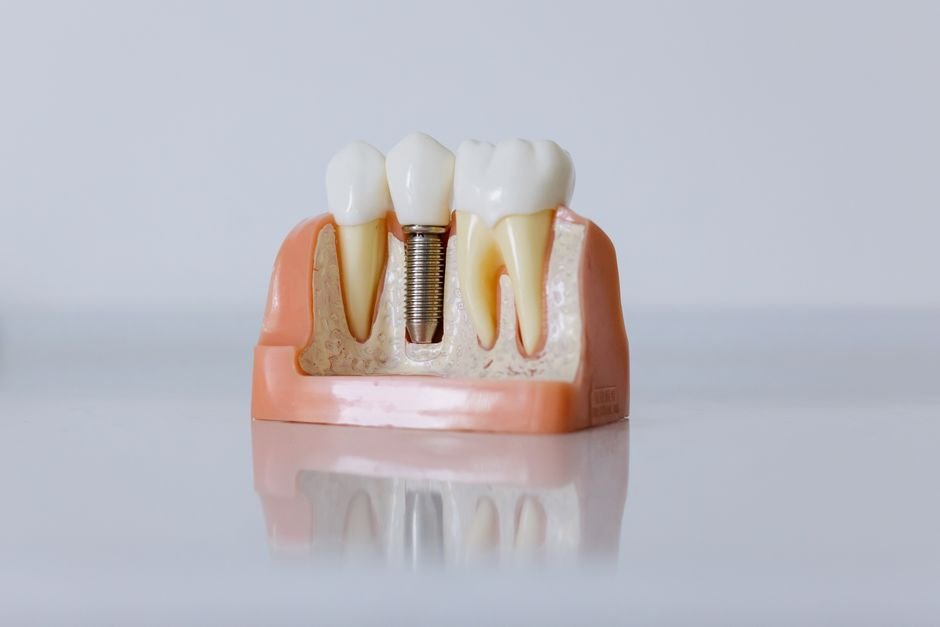
An implant is a small post, usually made of titanium or zirconia, placed into the jawbone to act as a replacement root. Over several weeks to months, the bone grows tightly against its surface in a process called osseointegration. For this to happen reliably, the implant needs to be surrounded by a healthy layer of bone on all sides, with enough height to anchor it firmly. If the bone is too thin, the implant surface may be exposed or the surrounding wall may break down.
Bone quality matters as well as quantity. Dense bone provides strong initial stability, while softer bone may need a longer healing period or a different implant design. Your dentist will also consider nearby structures, such as the sinuses in the upper jaw and the nerve that runs through the lower jaw, because implants must be placed safely away from them. Together, these factors determine whether a standard implant is suitable or whether additional steps are needed first.
How is bone loss assessed before implant treatment?
Assessment begins with a clinical examination, where your dentist looks at and feels the shape of the ridge, checks the gums and reviews your bite. Traditional dental X-rays give useful information about bone height, but they show the jaw in only two dimensions. For implant planning, a cone beam CT scan is commonly used. This produces a three-dimensional image showing the exact width, height and density of the bone, as well as the position of the sinuses and nerves.
Using these images, many clinicians plan the ideal implant position digitally before treatment, sometimes creating a surgical guide that directs the implant into the planned location. This planning helps identify whether bone needs rebuilding and, if so, how much. It also allows your dentist to explain your options clearly, including the likely number of appointments, healing times and any alternatives. Asking to see your scan and discuss what it shows can help you understand why a particular plan has been recommended.
What is bone grafting and when is it needed?
Bone grafting is a procedure that adds bone or bone-like material to areas where the jaw is too thin or short. The graft acts as a scaffold, encouraging your own bone cells to grow into it and gradually replace it with natural bone. Graft materials can come from your own body, from donor sources, from animal-derived material that has been specially processed, or from synthetic substitutes. Your dentist will choose the material based on the size and location of the defect.
Small grafts are often placed at the same time as the implant, for example to cover a thin area of exposed implant surface. Larger defects usually need grafting as a separate procedure, followed by several months of healing before the implant is placed. A protective membrane is frequently used to keep soft tissue out of the healing area. Although grafting adds time to treatment, it can greatly improve the long-term stability and appearance of an implant, particularly in visible front areas of the mouth.
How does a sinus lift help in the upper jaw?
In the upper back jaw, the maxillary sinuses sit just above the roots of the premolars and molars. After these teeth are lost, two things often happen at once: the ridge shrinks from below, and the sinus can expand downwards into the space. This can leave only a thin layer of bone between the mouth and the sinus, too little to hold an implant. A sinus lift, also called sinus augmentation, addresses this problem.
During a sinus lift, the dentist gently raises the thin membrane lining the floor of the sinus and places graft material underneath it, creating more bone height. Depending on how much bone is present, this can be done through a small opening in the side of the jaw or from below through the implant site itself. Sometimes the implant can be placed at the same appointment, while in other cases a healing period is needed first. Mild swelling and congestion are common for a few days afterwards.
Can implants be placed without grafting when bone is limited?
Advances in implant design mean grafting is not always necessary. Short implants are designed to provide good stability with less length, making them useful where bone height is limited, such as above the lower jaw nerve. Narrow-diameter implants can sometimes fit thinner ridges, particularly for smaller teeth or for stabilising dentures. Choosing the right implant size and shape for the available bone is a key part of modern treatment planning.
For people missing all their teeth in one jaw, a full-arch approach using a small number of strategically angled implants can sometimes avoid grafting entirely. By tilting the back implants, the dentist can use areas of denser bone and steer clear of the sinuses or nerves. In cases of severe bone loss in the upper jaw, specialised long implants anchored in the cheekbone may be considered. These options require careful assessment and are not suitable for everyone.
How does bone loss affect the look of the final teeth?
Bone loss does not only affect function. It also changes the contour of the gums and face. When the ridge shrinks, the gum follows it, which can leave a dip or hollow above a missing tooth. If an implant crown is placed in this area without rebuilding the bone and gum, the new tooth may look longer than its neighbours or leave dark gaps near the gumline. This is particularly noticeable in the front of the mouth when smiling.
When many teeth are missing, extensive bone loss can reduce support for the lips and cheeks, giving a sunken appearance and making the face look older. Grafting and soft-tissue procedures can help restore a more natural contour. In full-arch cases, the replacement teeth may include pink, gum-coloured material to replace lost tissue and support the lips. Discussing your appearance goals early allows the dental team to plan treatment that balances function, comfort and aesthetics.
How can you protect your bone and keep implant options open?
The best way to keep implant options simple is to act early. If a tooth must be removed, ask your dentist whether socket preservation is suitable. This involves placing graft material into the socket at the time of extraction to reduce shrinkage while it heals. Placing an implant relatively soon after tooth loss, where appropriate, can also help maintain bone. Leaving a gap for many years often means more extensive work later.
Looking after your remaining teeth and gums is equally important. Brushing twice daily with fluoride toothpaste, cleaning between your teeth and attending regular professional cleans helps prevent the gum disease that destroys supporting bone. Stopping smoking improves healing and bone health, and managing conditions such as diabetes supports better outcomes. Once implants are in place, the same habits help protect the bone around them from inflammation, keeping your new teeth stable for many years.
Frequently Asked Questions
Can I still get dental implants if I have bone loss?
Many people with bone loss can still have dental implants. Depending on how much bone remains, treatment may involve bone grafting, a sinus lift, shorter or narrower implants, or angled implant techniques. A three-dimensional scan helps your dentist work out which approach is suitable and safe for your jaw.
How long does a bone graft take to heal before an implant?
Healing time depends on the size of the graft and the material used. Small grafts placed alongside an implant heal with it, while larger grafts placed separately often need several months before an implant can go in. Your dentist will monitor healing and confirm when the bone is ready.
Is bone grafting painful?
Bone grafting is carried out under local anaesthetic, so the procedure itself should not be painful. Afterwards, mild swelling, bruising and tenderness are common for a few days and are usually managed with over-the-counter pain relief, cold compresses and soft foods. Larger grafts may cause more noticeable discomfort for a short period.
Does wearing a denture cause bone loss?
Removable dentures do not stimulate the jawbone the way natural roots do, so the bone beneath them continues to shrink over time. Pressure from a poorly fitting denture can speed this up. Having dentures checked and relined regularly helps, and implant-supported dentures can help reduce bone loss in the areas around the implants.
Can bone be lost around an implant after it is placed?
Yes, bone around an implant can be lost if plaque builds up and causes inflammation, a condition known as peri-implantitis. Smoking and poorly controlled diabetes increase the risk. Thorough daily cleaning around the implant and regular professional maintenance help protect the surrounding gum and bone over the long term.
Disclaimer: This article is for informational purposes only and does not constitute medical or dental advice. Always consult a qualified dental professional before making any decisions about your oral health or treatment options.