
A second opinion matters in dentistry because treatment decisions are rarely as black-and-white as a diagnosis might suggest, and dentists can genuinely differ on timing, technique or necessity when a case involves judgement calls. Seeking another qualified view before committing to major, costly or irreversible treatment gives a patient more information, more confidence, and a …


A second opinion matters in dentistry because treatment decisions are rarely as black-and-white as a diagnosis might suggest, and dentists can genuinely differ on timing, technique or necessity when a case involves judgement calls. Seeking another qualified view before committing to major, costly or irreversible treatment gives a patient more information, more confidence, and a chance to catch errors or explore options they weren’t offered the first time. It isn’t about distrust; it’s about making sure a significant decision is well informed.
Key takeaways
- Second opinions are most valuable before major, costly or irreversible treatment such as extractions, implants or full-mouth work.
- Dentists can reasonably disagree because dentistry often involves clinical judgement, not a single correct answer.
- Bringing X-rays, records and a clear summary of symptoms makes a second-opinion visit far more useful.
- A differing recommendation doesn’t automatically mean the first dentist was wrong; it may reflect a different but equally valid approach.
- Choosing a second opinion from an independent, appropriately qualified practitioner helps keep the assessment unbiased.
When Is It Worth Seeking a Second Opinion?
A second opinion is most worth pursuing when the proposed treatment is significant in scope, cost or permanence. This includes situations such as being told multiple teeth need extraction, a recommendation for a full-mouth reconstruction, dental implants, major bridgework or any treatment plan that will alter the mouth in a way that cannot be undone. When the stakes are high, the small amount of time it takes to have a second practitioner review the same findings is a modest investment against a decision that will affect years of oral health and daily comfort.
It is also reasonable to seek another view when something about a recommendation doesn’t sit right, even if a patient cannot articulate exactly why. Perhaps the treatment plan feels rushed, the explanation was unclear, or the proposed approach seems disproportionate to the symptoms described. Trusting that instinct is not unreasonable. A second opinion in these cases often either confirms the original plan, which brings welcome reassurance, or surfaces an alternative that better matches the patient’s goals, symptoms and circumstances.
Can Two Dentists Genuinely Disagree and Both Be Right?
Yes, and this is one of the least understood aspects of dental care. Dentistry sits at the intersection of science and craft, and many decisions involve weighing trade-offs rather than applying a single fixed rule. Two practitioners can look at the same X-ray and reasonably favour different paths: one might lean toward preserving a tooth with more conservative treatment, while another might judge that a more definitive approach will serve the patient better over the long term. Neither view is automatically wrong; they reflect different philosophies, risk tolerances and clinical experience.
Training background, the types of cases a dentist sees most often, and even the equipment available in a practice can all shape how a professional approaches a borderline case. This is similar to how two skilled professionals in many fields might recommend different but equally defensible courses of action. Understanding this helps patients interpret a differing second opinion not as proof of error, but as a genuine difference in approach worth discussing and weighing before deciding.
What Should You Bring to a Second-Opinion Appointment?
The value of a second opinion depends heavily on how well prepared a patient is for the visit. Bringing existing X-rays, scans and any written treatment plan from the first practitioner allows the second dentist to review the same clinical evidence rather than starting from scratch, which can also help avoid unnecessary repeat imaging. If X-rays cannot be transferred digitally, most practices are able to arrange copies on request, and it is worth asking for these well ahead of the appointment so there is no delay.
It also helps to bring a short written summary of the symptoms experienced, when they started, and any questions that arose from the first consultation. Noting down exactly what was recommended, including timelines and reasoning given, means the second dentist can respond directly to those specific points rather than repeating a general examination. Patients who arrive prepared tend to leave the second-opinion visit with clearer, more directly comparable answers.
How Should You Interpret Differing Recommendations?
When two treatment plans differ, the instinct is often to assume one dentist has made a mistake. A more useful approach is to ask each practitioner to explain their reasoning and to compare the underlying logic rather than just the conclusions. Sometimes the difference comes down to a more conservative versus a more proactive philosophy; other times it reflects a genuine difference in how the clinical findings were interpreted. Understanding the “why” behind each recommendation is usually more revealing than the recommendation itself.
It is also worth considering the acceptable range of outcomes for the condition in question. Many dental issues have more than one reasonable treatment pathway, each with its own balance of durability, cost, invasiveness and long-term maintenance. Rather than searching for a single “correct” answer, it can help to think of the two opinions as two valid options with different trade-offs, and then choose the one that best fits personal priorities, whether that is preserving natural tooth structure, minimising cost, or achieving the most durable long-term result.
What Questions Are Worth Asking During a Second Opinion?
A productive second-opinion visit usually involves a specific set of questions rather than an open-ended request for a general view. Useful questions include: what would happen if no treatment were done at all, are there less invasive alternatives, how urgent is the issue really, and what is the expected long-term outcome of each option being considered. Asking about the evidence behind a recommendation, such as what the X-ray or clinical examination specifically shows, helps a patient understand the reasoning rather than simply receiving a verdict.
It is also worth asking how experienced the practitioner is with the specific procedure in question, what the expected recovery or adjustment period looks like, and what could go wrong. Patients should feel comfortable asking a second dentist to explain any disagreement with the first plan in plain terms, since a practitioner confident in their reasoning will usually welcome the opportunity to walk through it. These conversations, more than the final recommendation alone, are often what help a patient feel settled in their decision.
How Do Second Opinions Apply to Specific Types of Treatment?
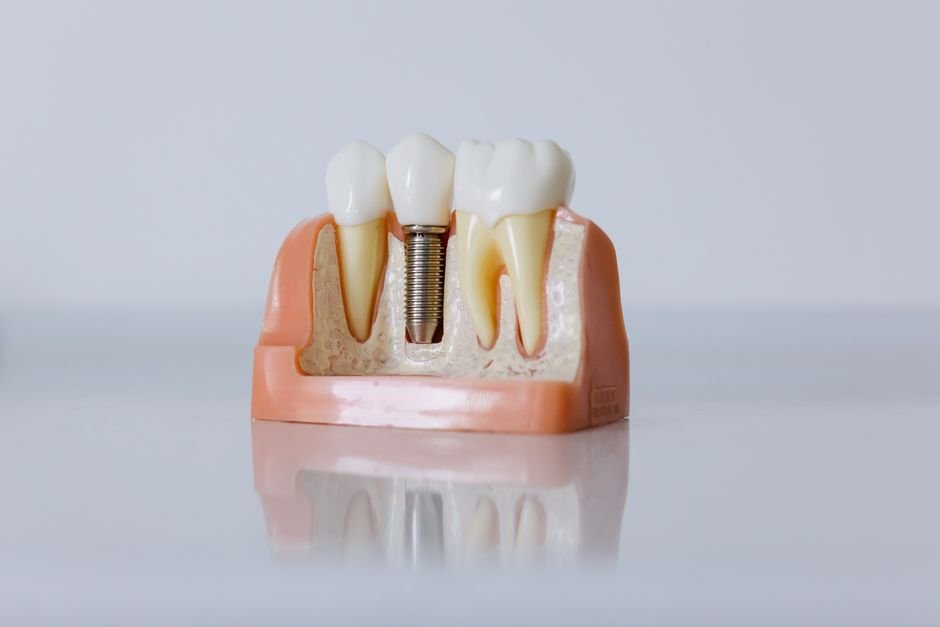
Certain categories of dental treatment tend to prompt second opinions more often because of their cost, complexity or permanence. Recommendations involving the placement of implants, for example, often benefit from a second view because the process is multi-stage, requires adequate bone and gum health, and represents a considerable financial and time commitment. Similarly, root canal treatment recommendations are sometimes worth double-checking, particularly when the affected tooth shows only mild symptoms, since alternatives or a wait-and-monitor approach may exist depending on the specific findings.
Recommendations for extraction, especially of multiple teeth or a tooth that could potentially be saved, are another common trigger for seeking further input, since extraction is irreversible. Orthodontic treatment plans and full-mouth restorative work also tend to benefit from a comparative view, given the long treatment timelines and the range of techniques available. In each of these categories, the common thread is permanence or scale: the bigger and more lasting the decision, the more a second set of eyes tends to add genuine value.
What About the Emotional Side of Feeling Uncertain?
Receiving a serious or unexpected dental recommendation can be unsettling, and that emotional response is a completely normal part of the process, not something to push aside. Uncertainty about a diagnosis can trigger worry about cost, about pain, or about losing a tooth permanently, and these feelings can make it harder to think clearly about the actual clinical question at hand. Recognising this is often the first step toward making a calmer, more considered decision rather than an anxious or rushed one.
Seeking a second opinion can itself be a way of managing that uncertainty constructively, since it replaces a single, possibly overwhelming verdict with a fuller picture and a sense of having explored the options. Patients should not feel embarrassed or awkward about wanting reassurance before agreeing to significant treatment; this is a normal and sensible part of managing one’s own health. Taking the time needed to feel settled in a decision, rather than agreeing under pressure, generally leads to better satisfaction with the outcome regardless of which treatment path is ultimately chosen.
How Do You Choose Who to Ask for a Second Opinion?
Choosing the right practitioner for a second opinion matters as much as deciding to seek one at all. Ideally, the second opinion should come from a dentist who is entirely independent of the first practice, so that the assessment is not influenced by shared referral relationships or a desire to avoid contradicting a colleague. Looking for a practitioner with relevant experience in the specific type of treatment being considered, such as a specialist for more complex procedures, can also add useful depth to the review.
It helps to be transparent with the second dentist about the fact that another opinion has already been given, and to ask them to form an independent assessment based on the clinical evidence rather than simply agreeing or disagreeing with the first plan. Word-of-mouth recommendations, professional directories and checking that a practitioner is appropriately registered and qualified are all reasonable ways to identify a suitable second source. Ultimately, the goal is an assessment that stands on its own clinical merit, giving the patient a genuinely independent basis for comparison.
Frequently Asked Questions
Is it rude to ask a dentist for a second opinion?
No. Seeking a second opinion is a normal and accepted part of managing one’s health, and most dental professionals understand and respect a patient’s wish to be fully informed before major treatment. A confident practitioner will not be offended by the request, and many will support the idea and can help by providing records or X-rays to make the process smoother.
Does getting a second opinion delay necessary treatment?
In most cases, arranging a second opinion adds only a short delay, and this is rarely a problem for non-urgent conditions. If a dentist has flagged genuine urgency, such as significant infection or pain, it is worth asking directly how much time can safely be taken before treatment, and prioritising an appointment with a second practitioner as soon as possible if there is any doubt.
Will a second dentist just repeat all the same tests?
Not necessarily. Bringing existing X-rays, scans and treatment notes from the first visit often allows the second dentist to review the same clinical evidence without repeating imaging unnecessarily. Some additional examination is still normal, since every practitioner needs to form their own independent clinical impression, but full duplication of tests can usually be minimised with good preparation.
What if the two opinions are completely different?
A significant difference between two recommendations is worth discussing openly with both practitioners, focusing on the reasoning behind each plan rather than just the conclusions. It can also be useful to seek a third opinion if the gap is large and the decision is complex or costly. Comparing the risks, benefits and reasoning of each option side by side usually clarifies which approach best matches personal priorities.
Is a second opinion only useful for expensive treatment?
Cost is one common trigger, but it is not the only reason to seek further input. Any treatment that is irreversible, uncertain in diagnosis, or that a patient feels unsure about is a reasonable candidate for a second opinion, regardless of price. The underlying principle is about the significance and permanence of the decision, not the size of the bill alone.
Disclaimer: This article is for informational purposes only and does not constitute medical or dental advice. Always consult a qualified dental professional before making any decisions about your oral health or treatment options.