
A dental crown’s durability depends mainly on the material it is made from, with metal and metal-based crowns generally lasting longest under heavy chewing forces, while all-ceramic and porcelain crowns offer the most natural appearance but can be slightly more prone to chipping in high-pressure areas. There is no single “best” material for every situation; …
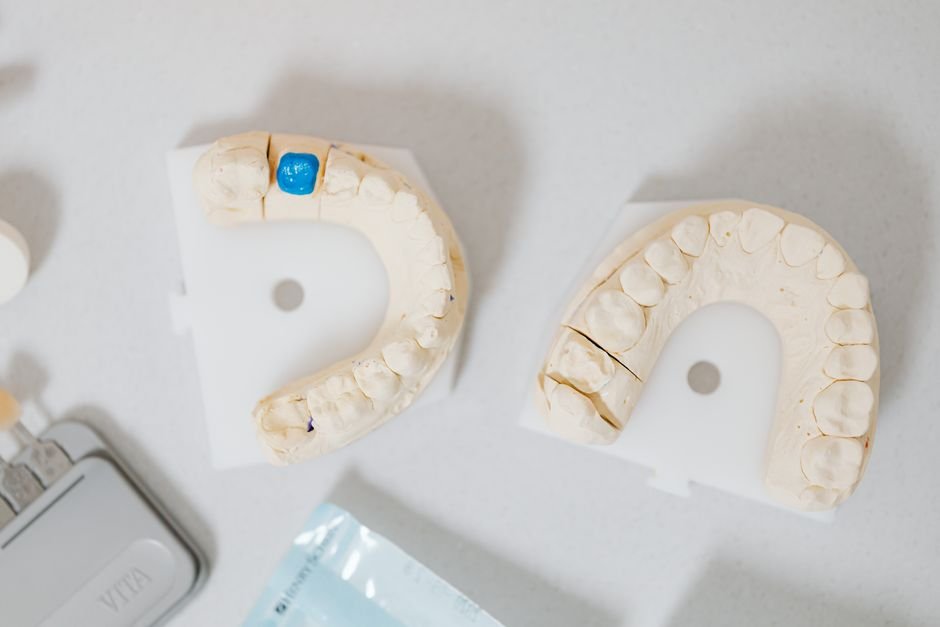

A dental crown’s durability depends mainly on the material it is made from, with metal and metal-based crowns generally lasting longest under heavy chewing forces, while all-ceramic and porcelain crowns offer the most natural appearance but can be slightly more prone to chipping in high-pressure areas. There is no single “best” material for every situation; the right choice depends on which tooth is being restored, how much biting force it will bear, how visible it is when you smile, and how well you look after it afterwards. Understanding the trade-offs between strength, appearance, and cost helps you have a more informed conversation about which option suits your particular tooth.
Key takeaways
- Crown material choice involves balancing strength, appearance, and cost.
- Metal and metal-fused crowns tend to be the most durable under heavy chewing forces.
- All-ceramic crowns offer the best natural appearance but require careful placement in high-pressure areas.
- Crown lifespan depends as much on daily care and bite habits as on the material itself.
- Front and back teeth often call for different material choices due to differing functional and aesthetic demands.
What Are Dental Crowns Made From?
Dental crowns are typically made from one of a few broad material categories: all-metal alloys, all-ceramic or porcelain materials, porcelain fused to a metal base, and increasingly, milled ceramic materials such as zirconia. Each category has a different balance of strength, translucency, and biocompatibility, which is why a dentist will usually recommend a material based on the specific tooth being restored rather than a single default choice used for every case.
Metal alloys used in crowns often include combinations of gold, palladium, nickel, or chromium, chosen for their strength and resistance to wear rather than their appearance. Ceramic and porcelain materials, on the other hand, are prized because they can be shaded and shaped to closely match the surrounding natural teeth, making them the preferred choice whenever appearance is a primary concern, particularly for teeth visible when smiling or speaking.
How Do Porcelain and Ceramic Crowns Compare With Metal Crowns?
All-ceramic and porcelain crowns are valued primarily for how closely they can mimic the translucency and colour of natural enamel, which makes them the preferred option for front teeth where appearance matters most. Modern ceramic materials have also improved significantly in strength, with some formulations now suitable for back teeth as well, though they can still be more susceptible to chipping under very heavy biting forces compared with metal.
Metal crowns, by comparison, sacrifice a natural appearance for exceptional strength and longevity. They rarely chip or fracture, and because a thinner layer of metal can achieve the same strength as a thicker layer of ceramic, less of the natural tooth sometimes needs to be reduced during preparation. This makes metal a practical choice for molars at the back of the mouth, where chewing forces are highest and visibility is minimal.
What Is a Porcelain-Fused-to-Metal Crown and Why Is It Still Used?
A porcelain-fused-to-metal crown combines an inner metal structure with an outer layer of porcelain, aiming to capture the strength of metal with an appearance closer to natural teeth. This hybrid approach has been used for many years because it offers a reasonable middle ground for people who want better aesthetics than a full metal crown but need more strength than an all-ceramic option might provide in certain positions.
The main drawback is that the metal underneath can sometimes create a visible grey line near the gum, particularly if the gum recedes over time, and the porcelain layer can chip away from the metal base under stress. Even so, this option remains a reliable and cost-effective choice for many restorations, especially in areas of the mouth where a small compromise on appearance is an acceptable trade for reliable strength.
How Long Do Dental Crowns Typically Last?
Most dental crowns, regardless of material, are expected to last many years with proper care, and it is common for well-maintained crowns to remain functional for well over a decade. Metal crowns tend to sit at the higher end of this range because they resist wear and fracture so effectively, while all-ceramic crowns, though slightly more variable, still offer a long service life when placed on a suitable tooth and cared for correctly.
It is worth remembering that the crown itself is only part of the equation; the health of the tooth and gum underneath also determines how long a restoration lasts. A crown can fail prematurely not because the material wore out, but because decay developed at the margin where the crown meets the natural tooth, which is why regular check-ups matter just as much as the material chosen at the outset.
What Factors Affect the Durability of a Crown?
Beyond the material itself, durability is heavily influenced by how much force the crown is subjected to daily. People who grind or clench their teeth place significantly more stress on a crown than those who do not, and this habit can shorten the lifespan of even the strongest materials if it is not managed, typically with a protective nightguard worn during sleep.
The skill of the fit also matters enormously. A crown that is precisely shaped to match the bite and sits flush against the gum line will distribute chewing forces evenly and resist bacterial infiltration at the edges. A poorly fitted crown, regardless of how durable its material is on paper, is more likely to develop problems at the margin, allowing decay to take hold underneath where it cannot be seen.
How Do You Choose the Right Crown Material for a Back Tooth Versus a Front Tooth?
Back teeth, particularly molars, endure the greatest chewing forces in the mouth and are largely hidden from view, which is why strength is usually prioritised over appearance in these positions. Metal or high-strength ceramic materials such as zirconia are frequently recommended here because they can withstand repeated heavy grinding and biting without chipping or wearing down prematurely.
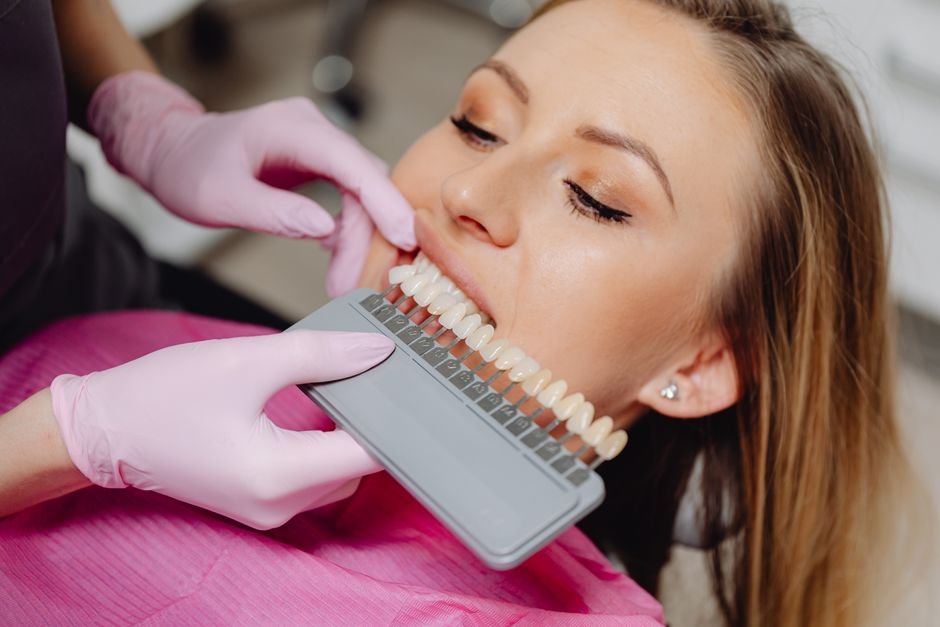
Front teeth, by contrast, are highly visible and involved in far less forceful chewing, so appearance typically takes priority. All-ceramic or porcelain crowns are usually preferred for these positions because their translucency and shading can be matched closely to neighbouring natural teeth, producing a result that blends in rather than standing out every time a person smiles or speaks.
How Should You Care for a Crown to Extend Its Life?
Caring for a crown is very similar to caring for a natural tooth, with a particular focus on the area where the crown meets the gum, since this margin is where decay and gum irritation are most likely to develop. Thorough brushing twice daily and cleaning between teeth helps prevent plaque build-up at this junction, reducing the risk of the underlying tooth becoming compromised over time.
Avoiding habits that place unnecessary strain on a crown also extends its lifespan considerably. Biting down on very hard foods, using teeth as tools to open packaging, or chewing ice can all chip or dislodge a crown regardless of how durable its material is. Wearing a nightguard if you grind your teeth, and attending regular dental check-ups, allows any early wear or looseness to be identified and addressed before it becomes a bigger problem.
What Are the Signs a Crown Needs to Be Replaced?
A crown that is failing often gives noticeable warning signs, including sensitivity to hot or cold around the restored tooth, a change in how the bite feels, visible cracks or chips in the material, or a feeling of looseness when chewing. Discolouration or a widening gap between the crown and the gum can also indicate that the fit has changed or that the margin has become compromised over time.
Persistent bad breath or an unpleasant taste localised to one tooth can sometimes suggest that decay has developed underneath a crown, even if the crown itself still looks intact from the outside. Any of these signs are worth raising with a dental professional promptly, since catching an issue early usually means a simpler repair rather than a full replacement of the restoration.
How Does Cost Relate to Crown Material Choice?
Crown costs vary considerably depending on the material, the complexity of the case, and the number of appointments required to fabricate and fit the restoration. All-ceramic crowns are often positioned at a higher price point due to the precision required to match colour and shape convincingly, while metal and porcelain-fused-to-metal options can sometimes be more economical, particularly for less visible back teeth.
Rather than focusing purely on the upfront price, it is worth weighing cost against expected durability and suitability for the tooth in question. A slightly more expensive crown that is well matched to the demands of that specific tooth may prove more economical over time than a cheaper option that fails early and needs replacing, factoring in both the financial and practical cost of repeat treatment.
Frequently Asked Questions
Which dental crown material is the strongest?
Metal alloy crowns are generally considered the strongest option because they resist chipping and fracture even under heavy chewing forces. High-strength ceramic materials such as zirconia offer a strong alternative for people who want a more natural appearance without sacrificing much durability.
Are all-ceramic crowns durable enough for back teeth?
Modern all-ceramic materials, particularly zirconia-based options, have improved considerably in strength and can be suitable for back teeth in many cases. The right choice still depends on the individual’s bite force and grinding habits, which a dental professional can assess.
How can I tell if my crown is failing?
Common warning signs include sensitivity around the tooth, a change in how your bite feels, visible cracks, looseness while chewing, or persistent discomfort localised to that tooth. Any of these signs should prompt a dental check-up rather than being ignored.
Does grinding my teeth affect how long a crown lasts?
Yes, grinding or clenching places significant extra stress on a crown and can shorten its lifespan regardless of the material used. Wearing a properly fitted nightguard is one of the most effective ways to protect a crown from this kind of wear.
Can a crown fail even if the material itself is very durable?
Yes, because the crown’s longevity also depends on the health of the tooth and gum underneath. Decay can develop at the margin where the crown meets the natural tooth, which is why regular check-ups matter as much as the material chosen initially.
Disclaimer: This article is for informational purposes only and does not constitute medical or dental advice. Always consult a qualified dental professional before making any decisions about your oral health or treatment options.