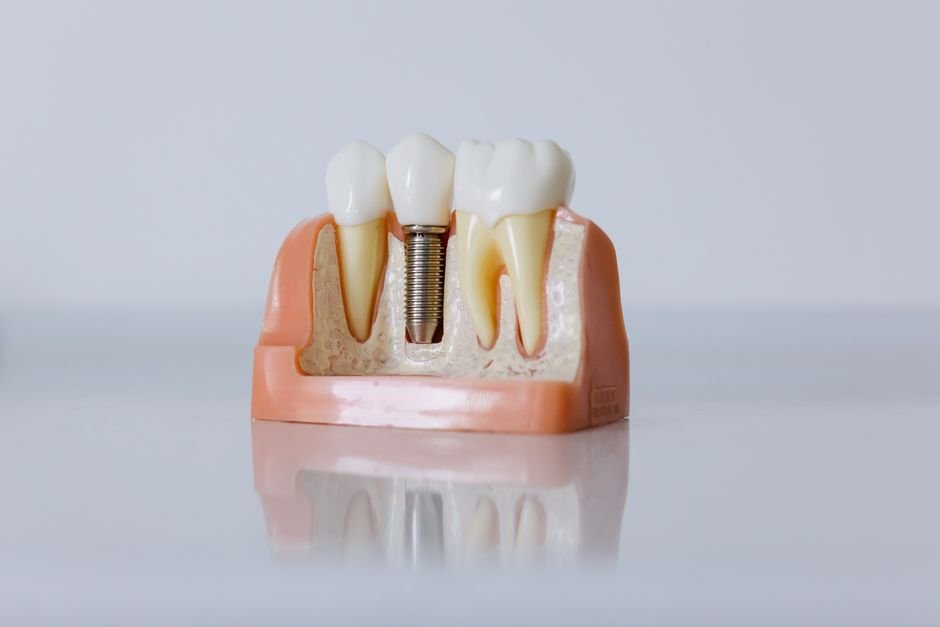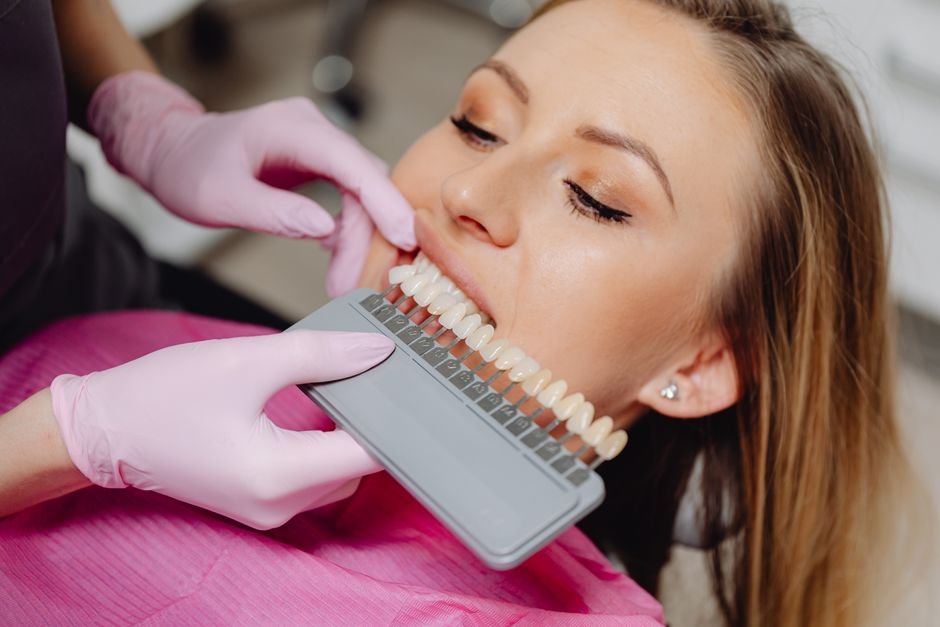

The right cosmetic dental treatment for you depends on three things: what specifically you want to change about your smile, how healthy your teeth and gums currently are, and how much time and budget you can realistically commit. Minor discolouration usually calls for whitening, chipped or slightly misaligned teeth often respond well to bonding or …
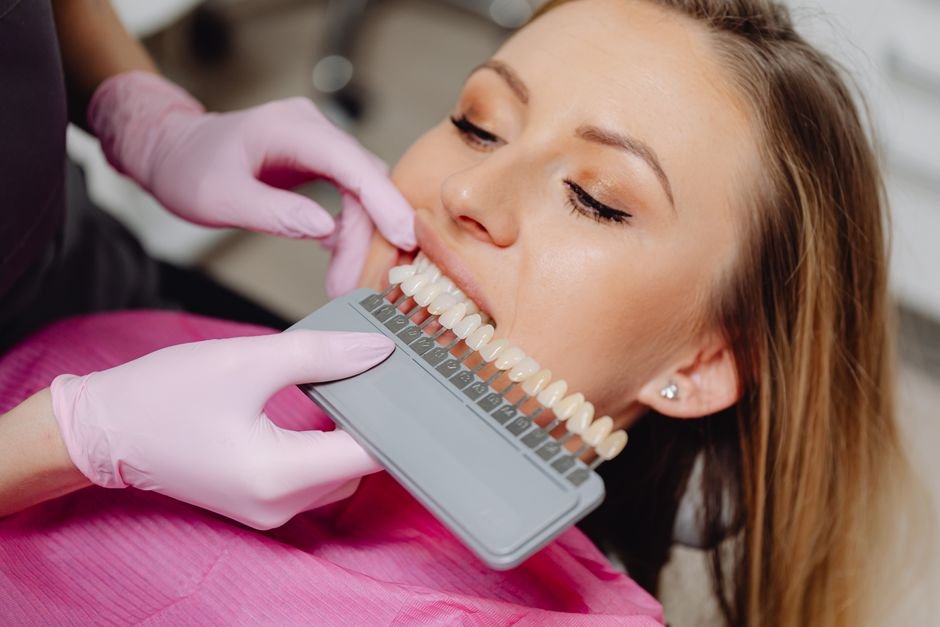

The right cosmetic dental treatment for you depends on three things: what specifically you want to change about your smile, how healthy your teeth and gums currently are, and how much time and budget you can realistically commit. Minor discolouration usually calls for whitening, chipped or slightly misaligned teeth often respond well to bonding or veneers, and more significant gaps or crowding may need orthodontic correction before any cosmetic work is considered. The safest approach is always to start with a full dental check-up, address any underlying decay or gum concerns first, and then discuss options with a dentist who can match a treatment to your goals rather than the other way around.
Key takeaways
- Identify the specific concern first (colour, shape, spacing, or alignment) before picking a treatment.
- Underlying oral health issues should always be resolved before cosmetic work begins.
- Conservative options like whitening or bonding suit minor changes, while veneers or crowns suit more significant correction.
- Realistic expectations and a clear consultation are essential to a satisfying outcome.
- Long-term maintenance habits affect how well cosmetic results hold up over time.
What Factors Should You Consider Before Choosing a Cosmetic Dental Treatment?
Before settling on any cosmetic treatment, it helps to separate what is a genuine cosmetic concern from what might actually be a functional or structural issue. A tooth that looks slightly discoloured might simply need whitening, but a tooth that has visibly worn down, shifted, or developed a rough edge may be signalling a bite problem that cosmetic work alone will not fix. Thinking through exactly what bothers you about your smile, whether it is colour, shape, spacing, or symmetry, gives you a much clearer starting point for a conversation with a dental professional.
It is also worth considering how invasive you are willing to be. Some treatments, such as whitening, are reversible and low-commitment, while others, such as veneers, involve permanently altering the tooth surface. Your lifestyle matters too: someone who grinds their teeth at night, drinks a lot of tea or coffee, or plays contact sport will need a treatment plan that accounts for that, rather than a generic recommendation that ignores daily habits and long-term wear patterns.
How Do Teeth Whitening and Enamel Bonding Compare?
Teeth whitening addresses colour only. It works by lifting stains from within the enamel and is best suited to people whose teeth are structurally sound but have become discoloured through food, drink, or general ageing. It is non-invasive, generally quick, and reversible in the sense that no tooth structure is removed, though results fade gradually and touch-ups are usually needed over time to maintain the shade.
Enamel bonding, by contrast, uses a tooth-coloured resin to reshape a tooth, close small gaps, or repair chips. It can also mask discolouration in a single spot rather than the whole smile. Bonding is more versatile than whitening because it changes shape as well as colour, but the material is less durable than porcelain and can stain or chip over the years, meaning it often needs replacing sooner than more robust options.
When Are Veneers the Better Choice Over Bonding?
Veneers are thin shells, usually made from porcelain or a similar ceramic, bonded to the front surface of a tooth. They are generally recommended when several teeth need to look uniform, when discolouration is too deep for whitening to fully correct, or when a person wants a longer-lasting solution to shape or spacing issues than bonding can offer. Because veneers are fabricated in a laboratory from a durable material, they tend to resist staining and hold their appearance for considerably longer than composite bonding.
The trade-off is that veneers usually require a small amount of enamel to be prepared or removed so the shell sits flush with surrounding teeth, which makes the process less reversible than bonding. They also involve more than one appointment and a higher cost. Veneers make the most sense when a person is confident about the change they want and is looking for a durable, long-term cosmetic result rather than a temporary fix.
What Role Does Orthodontic Treatment Play in a Cosmetic Smile Plan?
Crowding, gaps, or a misaligned bite are structural issues, and no amount of whitening, bonding, or veneers will correct them properly. In many cases, straightening teeth first, whether through traditional braces or clear aligners, creates a far better foundation for any cosmetic work that follows. Attempting to cosmetically mask crooked teeth without addressing the underlying alignment often produces a result that looks unnatural or wears unevenly over time.
Combining orthodontics with cosmetic treatment is common practice: teeth are first moved into a healthier, more even position, and then any remaining concerns about colour or minor shape are addressed afterwards. This sequencing tends to produce more predictable, longer-lasting results because the cosmetic work is being applied to teeth that are already well-aligned and functioning correctly, rather than compensating for a bite problem underneath.
How Important Is the Health of Your Gums and Teeth Before Cosmetic Work?
Cosmetic dentistry is not a substitute for good oral health, and most reputable treatment plans will not proceed until any decay, gum inflammation, or infection has been resolved. Placing a veneer or crown over a tooth with untreated decay, for example, simply traps the problem underneath a new surface, where it can continue to worsen unnoticed until it causes pain or requires more invasive treatment later.
Healthy gums are equally important because they frame the appearance of your teeth. Gums that are swollen, receding, or uneven can undermine an otherwise excellent cosmetic result, making teeth look shorter, longer, or asymmetrical regardless of how well the treatment itself was carried out. Addressing gum health first, through improved hygiene habits or professional cleaning, often improves the overall appearance of a smile even before any cosmetic treatment begins.
How Do You Set Realistic Expectations for Cosmetic Dental Results?
One of the most common sources of disappointment with cosmetic dentistry is a mismatch between what a person imagines and what is realistically achievable given their natural tooth shape, jaw structure, and facial proportions. A treatment that looks stunning on someone else’s smile will not necessarily translate the same way onto different teeth, so it helps to think in terms of improvement rather than a fixed idea copied from elsewhere.
Discussing expectations openly, including seeing digital previews or trial smiles where available, helps align what you want with what a treatment can actually deliver. It is also worth understanding that most cosmetic results are not permanent; whitening fades, bonding wears, and even veneers eventually need replacement. Building this into your expectations from the outset avoids the disappointment of assuming any single treatment will last indefinitely without any upkeep.
What Should You Ask During a Cosmetic Dental Consultation?
A good consultation should cover more than just which treatment looks appealing. Useful questions include how long the results are expected to last, what maintenance or follow-up care is required, whether the treatment is reversible, and what would happen if you were unhappy with the outcome. Asking about the materials being used and why they were chosen for your specific case also helps you understand the reasoning behind the recommendation rather than accepting it at face value.
It is equally worth asking what alternatives were considered and why they were ruled out. A thorough practitioner should be able to explain, in plain terms, why a particular treatment suits your teeth, bite, and habits better than another option. If a consultation feels rushed or does not address your specific concerns, it is reasonable to seek a second opinion before committing to an irreversible procedure.
How Do You Budget for Cosmetic Dental Treatment Without Compromising Quality?
Cosmetic treatments vary widely in cost, largely because they vary in complexity, materials, and the number of teeth involved. Rather than choosing purely on price, it helps to think about cost per year of expected use. A more expensive but durable option, such as a well-made veneer, may work out more economical over time than repeatedly repairing or replacing a cheaper alternative every couple of years.
It is also sensible to budget for maintenance, not just the initial procedure. Whitening touch-ups, retainers after orthodontic treatment, and periodic check-ups on bonded or veneered teeth all form part of the true cost of a cosmetic result. Being upfront about your budget during a consultation allows a dental professional to suggest a plan that fits your finances without pushing you towards an option that is either unnecessarily expensive or unlikely to last.
How Do You Maintain Cosmetic Dental Results Long Term?
However good a cosmetic treatment looks on the day it is completed, its longevity depends heavily on daily habits afterwards. Consistent brushing and cleaning between teeth, avoiding excessive staining foods and drinks where possible, and wearing a nightguard if you grind your teeth all help protect both natural teeth and any cosmetic work from premature wear or damage.
Regular dental check-ups also play a key role, since a professional can spot early signs of staining, chipping, or gum changes around cosmetic work before they become noticeable problems. Treating cosmetic dentistry as an ongoing relationship with your dental team, rather than a one-off purchase, is generally what separates smiles that look great for years from those that need early rework.
Frequently Asked Questions
What is the least invasive cosmetic dental treatment available?
Teeth whitening is generally the least invasive option because it changes only the colour of the enamel without removing or reshaping any tooth structure. It is a good starting point for people who are unsure how far they want to go with cosmetic changes.
Can cosmetic dental treatments fix crooked teeth?
Cosmetic treatments like bonding or veneers can visually improve the appearance of slightly uneven teeth, but they do not correct underlying alignment or bite issues. Genuinely crooked teeth usually need orthodontic treatment first for a stable, long-lasting result.
How long do cosmetic dental results typically last?
This varies by treatment. Whitening results often last from several months to a couple of years depending on diet and habits, bonding tends to last several years, and well-maintained veneers can last well over a decade before needing replacement.
Is it necessary to treat gum disease before cosmetic dental work?
Yes. Any active decay, gum inflammation, or infection should be resolved before cosmetic treatment begins, since placing new material over an unhealthy tooth or gum line can trap problems underneath and compromise the final result.
How do I know which cosmetic treatment suits my specific smile?
The best way is a proper consultation where your teeth, gums, bite, and goals are assessed together. A treatment that suits one person’s smile may not suit another’s, so an individual assessment is more reliable than choosing based on general trends alone.
Disclaimer: This article is for informational purposes only and does not constitute medical or dental advice. Always consult a qualified dental professional before making any decisions about your oral health or treatment options.