
Wisdom teeth, the third and final set of molars typically emerging in the late teens or early twenties, can affect bite alignment when there isn’t enough room in the jaw for them to erupt properly, sometimes pushing against neighbouring teeth or emerging at an angle that disrupts the existing arrangement of the bite. Key takeaways …
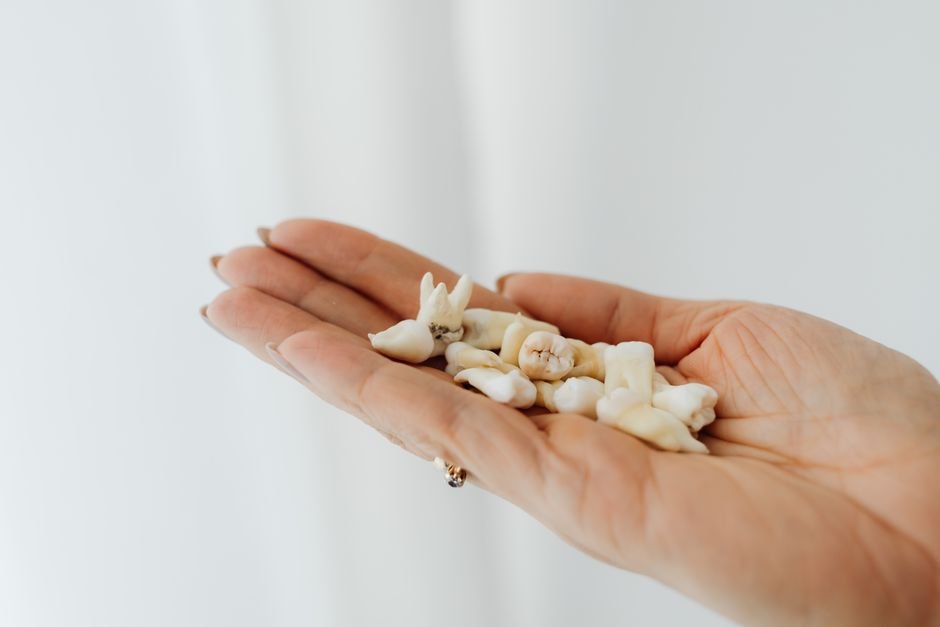

Wisdom teeth, the third and final set of molars typically emerging in the late teens or early twenties, can affect bite alignment when there isn’t enough room in the jaw for them to erupt properly, sometimes pushing against neighbouring teeth or emerging at an angle that disrupts the existing arrangement of the bite.
Key takeaways
- Wisdom teeth often emerge without enough jaw space, which can disrupt bite alignment.
- Impacted wisdom teeth can push against neighbouring molars, causing crowding or shifting.
- Not everyone experiences bite problems from wisdom teeth, but monitoring is still important.
- Regular imaging helps track wisdom tooth position before problems become significant.
- Removal is sometimes recommended specifically to protect existing bite alignment.
Why Do Wisdom Teeth Often Cause Problems With Bite Alignment?
Modern human jaws are often slightly smaller than earlier in evolutionary history, meaning there frequently isn’t quite enough room for a third set of molars to emerge in proper alignment alongside the rest of the existing teeth. This mismatch is the underlying cause of most wisdom tooth complications.
When a wisdom tooth attempts to erupt into insufficient space, it can become impacted, meaning it is unable to fully emerge, or it may emerge at an angle, pressing against the neighbouring second molar and potentially disrupting the alignment of that tooth and others nearby over time.
What Does It Mean When a Wisdom Tooth Is Impacted?
An impacted wisdom tooth is one that becomes stuck beneath the gum or bone, unable to erupt fully into its expected position due to lack of space, blockage from another tooth, or an unusual growth angle that prevents normal eruption from occurring.
Impacted wisdom teeth can sometimes cause no noticeable symptoms for years, while in other cases they lead to pain, swelling, or infection relatively quickly. Regular dental imaging is the most reliable way to monitor an impacted tooth’s position before symptoms become significant.
How Can a Wisdom Tooth Push Against Neighbouring Teeth?
When a wisdom tooth grows at an angle rather than straight up, it can apply consistent pressure against the second molar directly in front of it, gradually pushing that tooth and potentially causing a domino effect of crowding that extends further along the dental arch over time.
This pressure can be subtle initially, sometimes only detected through imaging before any noticeable shifting is visible, which is one of the key reasons dentists recommend monitoring wisdom teeth even before they cause obvious symptoms or visible changes in the bite.
Does Everyone Experience Bite Changes From Wisdom Teeth?
No, some people have sufficient jaw space for wisdom teeth to erupt fully and align properly without causing any disruption to the existing bite, meaning not every case results in complications requiring intervention or treatment of any kind.
Jaw size, the specific angle and position each wisdom tooth develops at, and overall dental arch shape all influence whether a particular person experiences bite-related issues. This variability is why individualised monitoring through regular checkups and imaging remains important for everyone.
How Do Dentists Monitor Wisdom Teeth Before They Cause Problems?
Periodic X-rays, often starting in the mid to late teenage years, allow dentists to track the development and positioning of wisdom teeth well before they fully erupt, providing an early warning system for potential space or alignment issues down the line.
This imaging-based monitoring allows for proactive discussion about whether removal might be advisable before any actual bite disruption occurs, rather than waiting for a problem to become symptomatic or visibly noticeable in the alignment of neighbouring teeth.
When Might a Dentist Recommend Removing Wisdom Teeth for Bite Reasons?
If imaging shows a wisdom tooth is angled toward or already pressing against the neighbouring molar, or if there is clearly insufficient space for proper eruption, removal is often recommended specifically to prevent the kind of gradual crowding and bite disruption that continued pressure could eventually cause.
This decision is generally made proactively, based on imaging and projected growth patterns, rather than only after bite problems have already become apparent, since addressing the issue before disruption occurs is considerably simpler than correcting alignment problems afterward.
Can Orthodontic Treatment Be Affected by Wisdom Teeth?
For patients who have completed orthodontic treatment, emerging wisdom teeth can sometimes contribute to subtle shifting of the carefully aligned teeth achieved through braces or aligners, which is one reason orthodontists sometimes coordinate closely with dentists regarding wisdom tooth timing and removal decisions.
This potential interaction is part of why some orthodontic treatment plans specifically factor in wisdom tooth development, sometimes recommending removal either before or shortly after orthodontic treatment concludes to help protect the newly achieved alignment from this additional pressure.
What Symptoms Might Suggest Wisdom Teeth Are Affecting Your Bite?
Noticeable crowding in teeth that were previously well aligned, discomfort or pressure toward the back of the jaw, or a sense that your bite feels different than it used to are all worth mentioning to a dentist, since these can be early signs of wisdom tooth related pressure.
Jaw stiffness, difficulty fully opening the mouth, or swelling near the back molars can also indicate wisdom tooth related issues, sometimes including infection, that warrant a prompt dental evaluation rather than waiting for the next regularly scheduled checkup.
What Happens During a Wisdom Tooth Removal Procedure?
Removal is typically performed under local anaesthetic, sometimes with additional sedation depending on the complexity of the case and the position of the tooth, and can range from a straightforward extraction to a more involved surgical procedure for deeply impacted teeth.
Recovery generally involves some swelling and discomfort for several days, managed with prescribed or over-the-counter pain relief, along with dietary adjustments favouring soft foods while the extraction site heals over the following one to two weeks.
How Should You Decide Whether to Remove Wisdom Teeth?
A thorough evaluation involving imaging and a discussion of your specific jaw space, tooth angle, and any current or projected impact on neighbouring teeth allows your dentist to provide a personalised recommendation rather than a generic, one-size-fits-all answer.
Asking specifically about the projected long-term impact on your bite if the wisdom teeth are left in place, versus the risks and recovery involved in removal, helps you make a well-informed decision based on your individual circumstances rather than general assumptions about wisdom teeth.
How Does Age Affect Wisdom Tooth Related Bite Risks?
Wisdom teeth removed at a younger age, typically before the roots are fully formed, tend to involve a more straightforward procedure and generally faster recovery compared to removal later in adulthood, when roots have fully developed and may sit closer to nerves or other structures.
This is part of why many dentists recommend evaluating wisdom teeth in the late teenage years, even if there are no current symptoms, since earlier intervention when appropriate tends to be simpler and carries a somewhat lower risk of complications affecting the surrounding bite and jaw structure.
How Does Diet Change During Wisdom Tooth Recovery?
Soft foods such as soups, mashed vegetables, and smoothies are typically recommended during the initial recovery period, allowing the extraction site to heal without unnecessary strain from chewing harder textures that could disturb the area or dislodge a healing blood clot.
Gradually reintroducing firmer foods over the following one to two weeks, as guided by your dentist’s specific aftercare instructions, helps ensure a smooth transition back to a normal diet without compromising the healing process at the extraction site.
Frequently Asked Questions
Do all wisdom teeth need to be removed?
No, some people have enough jaw space for wisdom teeth to erupt properly without causing issues. Removal is generally recommended only when imaging or symptoms suggest a problem is developing or likely.
Can wisdom teeth really shift my other teeth out of alignment?
Yes, when a wisdom tooth grows at an angle or lacks space, it can push against the neighbouring molar, gradually contributing to crowding or shifting in nearby teeth over time.
How will I know if my wisdom teeth are affecting my bite?
Signs include noticeable crowding, discomfort near the back of the jaw, or a bite that feels different than before. Regular imaging can also detect pressure before any symptoms become noticeable.
Can wisdom teeth undo the results of orthodontic treatment?
They can potentially contribute to subtle shifting after braces or aligners, which is why some orthodontists coordinate wisdom tooth timing and removal decisions as part of a broader treatment plan.
At what age are wisdom teeth typically monitored or removed?
Monitoring often begins in the mid to late teenage years through imaging, with removal, if needed, commonly recommended in the late teens to early twenties before roots fully develop.
Disclaimer: This article is for informational purposes only and does not constitute medical or dental advice. Always consult a qualified dental professional before making any decisions about your oral health or treatment options.