
Restorative dentistry focuses on repairing damaged or missing teeth in a way that restores proper chewing function, speech clarity, and overall bite alignment, not merely improving how a smile looks. While aesthetic improvement is often a welcome side effect, the primary goal of treatments like fillings, crowns, and bridges is to return the mouth to …

Restorative dentistry focuses on repairing damaged or missing teeth in a way that restores proper chewing function, speech clarity, and overall bite alignment, not merely improving how a smile looks. While aesthetic improvement is often a welcome side effect, the primary goal of treatments like fillings, crowns, and bridges is to return the mouth to healthy, comfortable working condition.
Key takeaways
- Restorative dentistry prioritises function, including chewing and bite alignment, over appearance alone.
- Damaged teeth left untreated can affect speech, digestion, and surrounding tooth health.
- Common restorative treatments include fillings, crowns, bridges, and root canal therapy.
- Restoring function early often prevents more complex problems from developing later.
- A functional restoration and a natural appearance are not mutually exclusive goals.
Why Does Function Matter More Than Appearance in Restorative Care?
A tooth that looks fine but cannot properly handle normal chewing forces, or a bite that is misaligned due to a missing tooth, creates ongoing strain that can affect jaw joints, surrounding teeth, and even digestion over time if food is not being chewed effectively before swallowing.
Restorative dentistry addresses these underlying functional issues directly, using materials and techniques designed to withstand the forces of daily biting and chewing. An aesthetically pleasing result that does not function properly under real use would ultimately fail to serve its primary purpose.
How Does a Damaged Tooth Affect Chewing Function?
A cracked, decayed, or broken tooth often causes a person to unconsciously favour the opposite side of the mouth when chewing, which can lead to uneven wear patterns and additional strain on teeth that are compensating for the damaged one over an extended period.
Restoring the damaged tooth to full function, whether through a filling, crown, or other treatment, allows normal, balanced chewing to resume across the whole mouth. This helps prevent the kind of secondary wear and strain that can develop when one area is consistently avoided.
Why Do Missing Teeth Need to Be Replaced for Functional Reasons?
A missing tooth creates a gap that neighbouring teeth can gradually shift into over time, disrupting the overall alignment of the bite and potentially creating new spacing issues or bite problems that did not exist before the tooth was lost.
Restorative options like bridges, implants, or partial dentures are designed specifically to fill this gap and maintain proper spacing and bite alignment, preventing this cascading shift. Addressing a missing tooth promptly is often more about preventing future problems than simply filling a visible gap.
How Does Restorative Work Affect Speech?
Teeth play a significant role in forming certain sounds during speech, and a missing or severely damaged tooth, particularly toward the front of the mouth, can affect clarity and pronunciation in ways that people sometimes only fully notice once the issue has been corrected.
Restorative treatments that return a tooth to its proper size, shape, and position often resolve these speech-related effects naturally, since the mouth’s structures are working the way they were originally designed to function during normal speech patterns.
What Are the Most Common Types of Restorative Treatment?
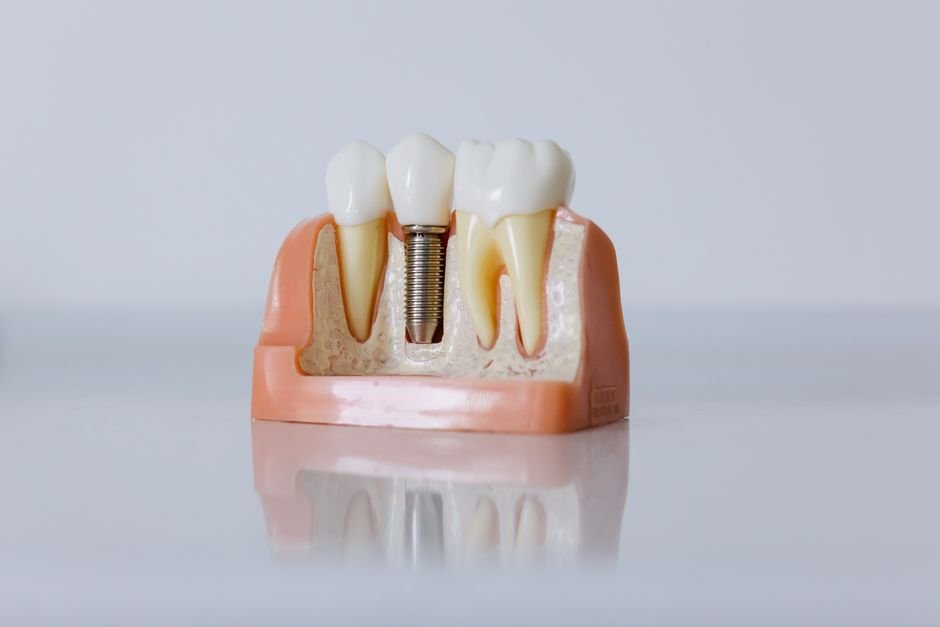
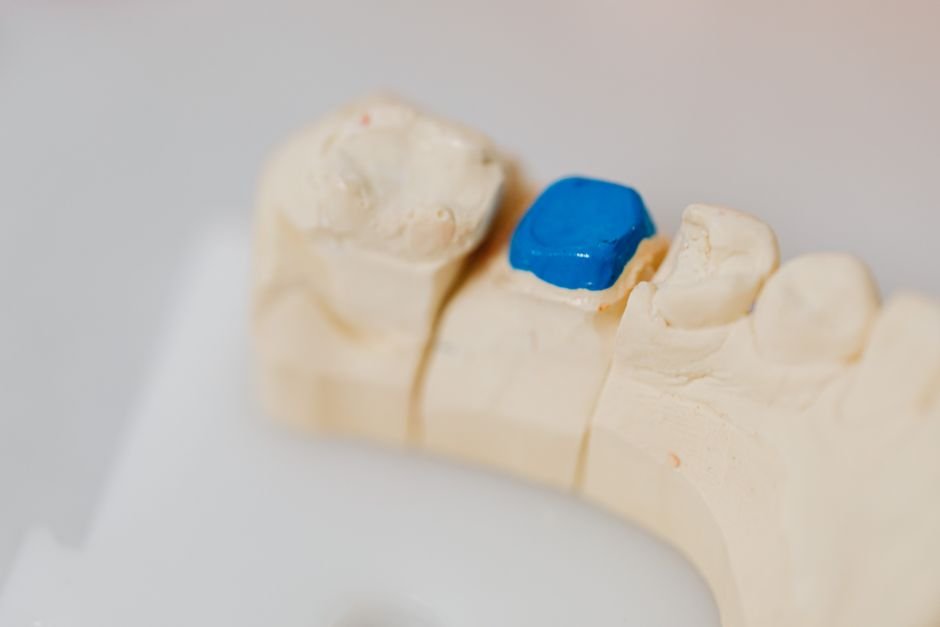
Fillings address small to moderate areas of decay, crowns cover and protect a tooth that has more extensive damage, bridges and implants replace missing teeth entirely, and root canal therapy treats infection or damage deep within a tooth’s inner structure while preserving the natural tooth itself.
Each of these treatments is selected based on the specific type and extent of damage present, with the shared underlying goal of returning the tooth or teeth involved to full, comfortable function rather than simply addressing the visible symptom of pain or damage.
Why Does Delaying Restorative Treatment Often Make Things Worse?
A small area of decay or a minor crack, if left untreated, typically continues to worsen over time, since the underlying cause does not resolve on its own. What might have required a simple filling initially can progress into needing a crown or even root canal treatment if left unaddressed.
Beyond the tooth itself, delaying treatment can also allow functional compensations, like favouring one side of the mouth, to become more ingrained habits that take longer to correct even after the original issue has finally been treated and resolved.
Can Restorative Dentistry Achieve Both Function and Natural Appearance?
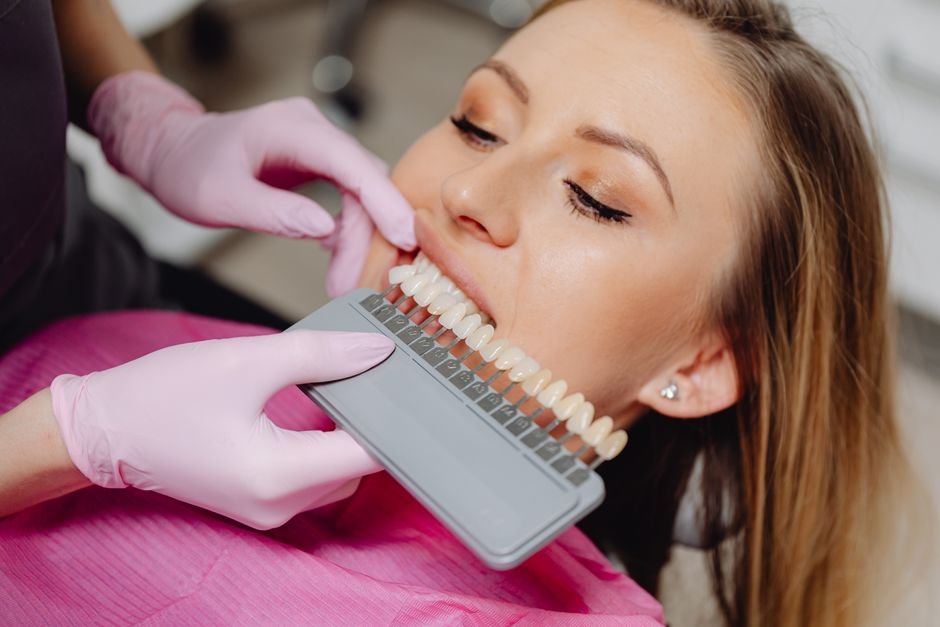
Modern restorative materials, including tooth-coloured composite fillings and porcelain crowns, are specifically designed to blend naturally with surrounding teeth while still providing the structural strength needed to withstand normal biting and chewing forces over many years.
This means patients generally do not need to choose between a functional restoration and a natural-looking result, since contemporary techniques and materials are built to deliver both outcomes simultaneously as a standard part of quality restorative care.
How Does Restorative Dentistry Prevent Future Dental Problems?
By addressing damage or gaps promptly, restorative treatment helps prevent the kind of cascading issues that develop when a problem is left unaddressed, including shifting teeth, uneven wear, and increased strain on the jaw joint from compensating for a functional imbalance.
This preventive aspect is often underappreciated, since restorative dentistry is sometimes viewed narrowly as reactive treatment for existing damage, when in fact promptly restoring one issue frequently prevents a whole cascade of related problems from developing down the line.
What Role Does Restorative Dentistry Play in Long Term Oral Health?
Beyond addressing individual issues as they arise, a thoughtful, function-focused approach to restorative care supports the long-term stability of the entire mouth, helping ensure that teeth continue working together properly for chewing, speech, and overall comfort for many years.
This long-term view is why dentists generally recommend addressing restorative needs as they are identified, rather than waiting, since the functional benefits compound over time in ways that are not always immediately obvious when a problem first appears minor.
How Should Patients Approach Restorative Treatment Decisions?
Discussing both the functional and aesthetic goals of any recommended restorative treatment with your dentist helps ensure the chosen approach addresses your specific needs fully, rather than focusing narrowly on one aspect while overlooking the other equally important consideration.
Asking how a specific restoration will hold up under normal daily use, not just how it will look immediately afterward, is a reasonable and useful question to raise during any consultation about restorative treatment options being considered for your particular situation.
How Does Restorative Dentistry Address Jaw Joint Strain?
When teeth are not meeting properly due to damage or a missing tooth, the jaw joint can experience uneven strain as it compensates for the imbalance, sometimes contributing to discomfort, clicking, or tension that extends beyond the mouth into the surrounding jaw and facial muscles.
Restorative treatment that corrects the underlying bite issue often resolves or reduces this associated strain over time, since the jaw joint is no longer working to compensate for a functional imbalance that restorative dentistry has since corrected through appropriate treatment.
What Aftercare Supports the Longevity of Restorative Work?
Consistent oral hygiene, avoiding excessive force on restored teeth such as chewing ice or very hard foods, and attending regular checkups all help extend the functional lifespan of restorative treatments like fillings and crowns well beyond their expected baseline durability.
Promptly reporting any new sensitivity, discomfort, or changes in how a restoration feels during chewing allows a dentist to address minor issues early, before they develop into more significant problems requiring additional restorative treatment down the line.
Frequently Asked Questions
Is restorative dentistry the same as cosmetic dentistry?
No, restorative dentistry primarily focuses on function and health, such as repairing decay or replacing missing teeth, while cosmetic dentistry focuses mainly on appearance, though the two can overlap in certain treatments.
Can a damaged tooth really affect my speech?
Yes, especially front teeth play a role in forming certain sounds. Restoring a damaged or missing tooth to its proper shape and position often resolves any related speech clarity issues.
Why shouldn’t I wait to fix a small cavity if it doesn’t hurt?
Small cavities typically worsen over time even without pain, and delaying treatment can mean needing more extensive work later, such as a crown or root canal, instead of a simple filling.
Do restorative treatments always look natural?
Modern materials like tooth-coloured fillings and porcelain crowns are designed to blend naturally with surrounding teeth while still providing the strength needed for normal chewing function.
What happens if a missing tooth is never replaced?
Neighbouring teeth can gradually shift into the gap, disrupting bite alignment and potentially causing further dental issues, which is why prompt replacement is generally recommended for functional reasons.
Disclaimer: This article is for informational purposes only and does not constitute medical or dental advice. Always consult a qualified dental professional before making any decisions about your oral health or treatment options.