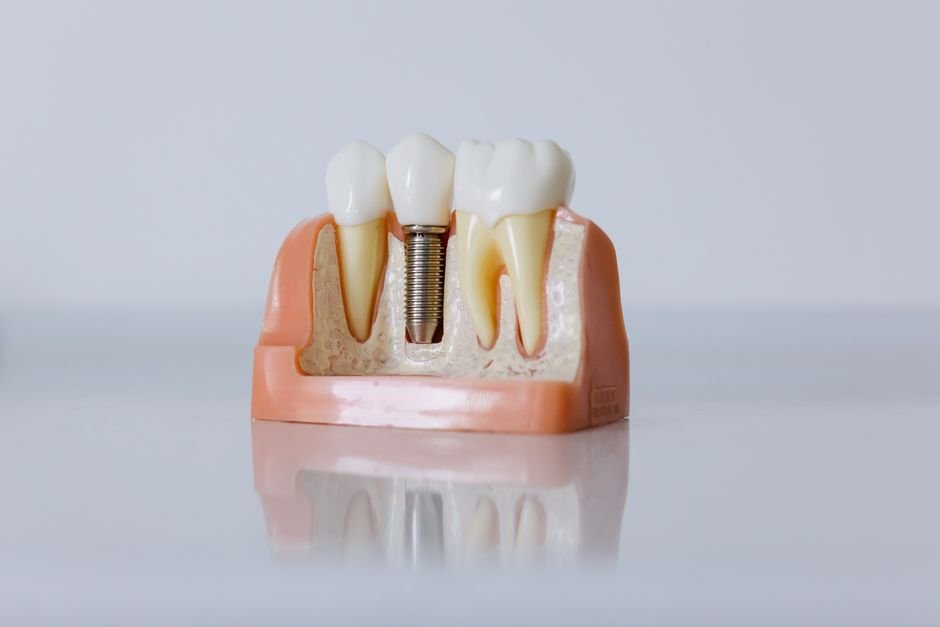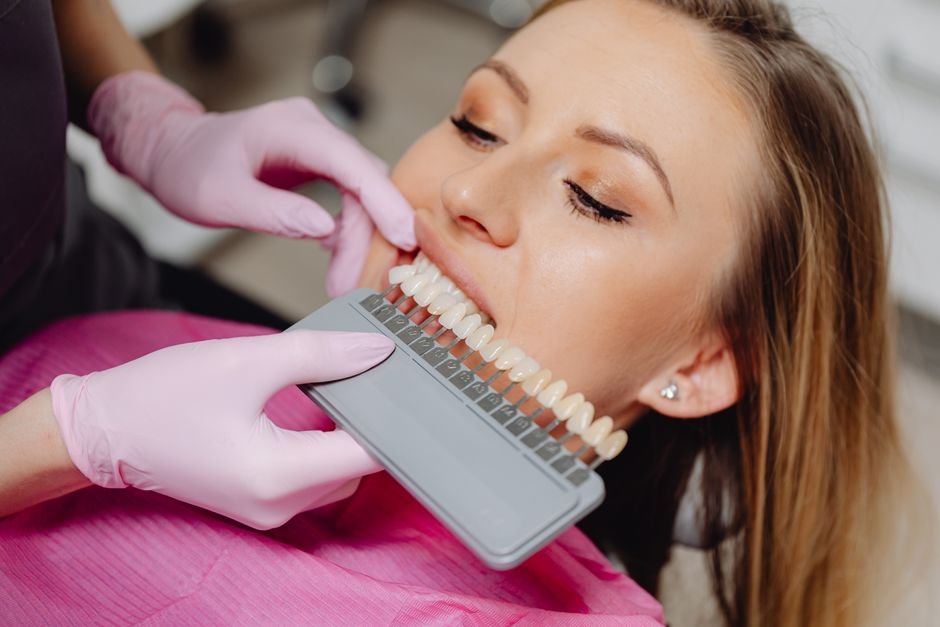

Chipped or worn teeth can be restored with several cosmetic options, and the right one depends on how much tooth structure is missing and why. Small chips and mild wear are often fixed with composite bonding, where tooth-coloured resin is shaped directly onto the tooth in a single visit. Moderate damage may be better suited …
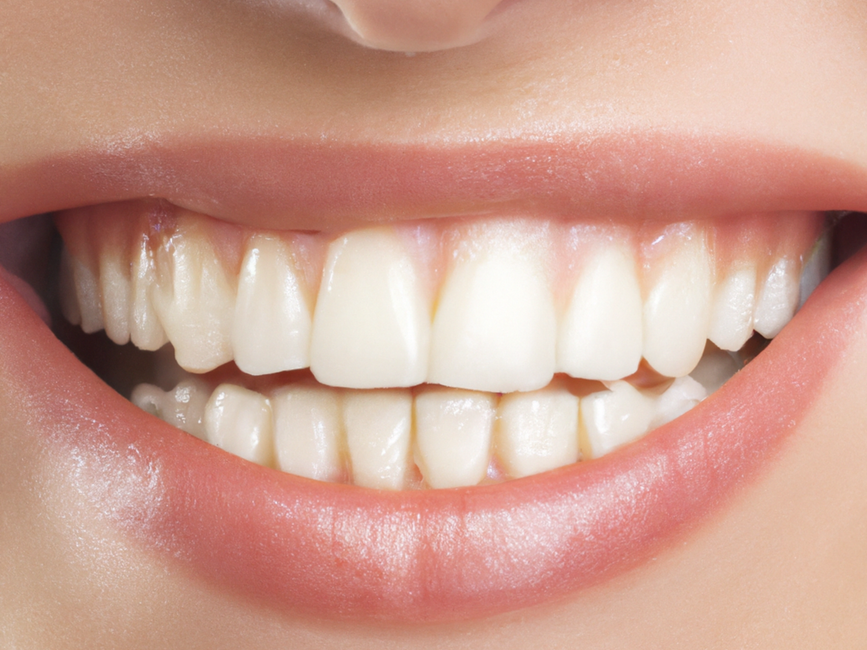

Chipped or worn teeth can be restored with several cosmetic options, and the right one depends on how much tooth structure is missing and why. Small chips and mild wear are often fixed with composite bonding, where tooth-coloured resin is shaped directly onto the tooth in a single visit. Moderate damage may be better suited to porcelain veneers, which are thin shells bonded to the front of the tooth. Heavily worn or weakened teeth usually need crowns or onlays for strength. When wear is caused by grinding or acid, treating that cause is essential, otherwise any repair will wear down again.
Key takeaways
- Composite bonding repairs minor chips and wear in one appointment with little or no drilling.
- Porcelain veneers suit larger cosmetic changes and resist staining well.
- Crowns and onlays rebuild strength when a large amount of tooth is lost.
- Grinding and acid erosion must be managed or the repair will not last.
- A nightguard protects cosmetic work in people who clench or grind.
What causes teeth to chip or wear down?
Chips are usually the result of a sudden force: biting something hard, an accidental knock, or an old filling giving way and taking part of the tooth with it. Teeth that already have large fillings or cracks are more fragile and chip more easily. A single chip is often purely cosmetic, but a deeper one can expose sensitive dentine or reach the nerve.
Wear is a slower process with three common causes. Grinding and clenching, often during sleep, flatten the biting surfaces and can chip the edges of the front teeth. Acid erosion from frequent fizzy drinks, fruit juices, or reflux dissolves the enamel and leaves teeth thin and translucent. Abrasion from very hard brushing wears notches near the gumline. Identifying which of these is at work guides both the repair and the prevention.
How does composite bonding work for minor damage?
Composite bonding uses a putty-like resin that is matched to your tooth colour. The dentist lightly prepares the surface, applies a bonding liquid, then builds up the resin in layers, shaping it to rebuild the missing edge or worn area. Each layer is set hard with a bright light, and the final result is polished to blend with the natural tooth. Most single-tooth repairs take under an hour and need no anaesthetic.
Bonding is the most conservative option because little or no natural tooth is removed, and it is usually the least expensive. The trade-offs are that composite is not as strong as porcelain, can chip under heavy load, and may pick up staining at the edges over several years. It is straightforward to repair or replace when that happens, which makes it a practical choice for younger patients and smaller defects.
When are porcelain veneers a better choice?
Veneers are thin custom-made shells, usually porcelain, bonded to the front surface of a tooth. They are well suited to teeth with larger chips, noticeable wear along the edge, or several cosmetic issues at once such as chips combined with discolouration or small gaps. Because they are made in a laboratory from an impression or scan, the shape and shade can be planned precisely.
Veneers generally require a small amount of enamel to be removed so they sit flush, which makes the treatment irreversible. In exchange they are stronger and more stain-resistant than bonding and often last 10 to 15 years or more with good care. Treatment usually takes two visits, with temporary veneers in between. They are a bigger commitment than bonding but give a more durable and predictable cosmetic result for moderate damage.
What about crowns and onlays for heavily worn teeth?
When a large part of a tooth is missing or the tooth is cracked and weak, a veneer or bonding will not provide enough strength. A crown covers the whole visible tooth and holds it together, while an onlay covers one or more cusps but keeps more of the natural tooth than a full crown. Both are made from materials such as porcelain, ceramic or gold-based alloys, chosen for the position and the forces involved.
These restorations are the standard choice for back teeth flattened by years of grinding, or front teeth so worn that the nerve is close to being exposed. They involve more tooth preparation than veneers, and sometimes root canal treatment is needed first if the nerve is already affected. The pay-off is a tooth that can once again take normal biting force without further breakdown.
How are severely worn teeth across the whole mouth treated?
Generalised wear, where many teeth have lost height and the bite has collapsed, needs a more comprehensive plan than fixing one tooth at a time. The dentist assesses the bite, the jaw joints and the amount of space available, often using models, photographs and a trial set-up to show the proposed new tooth shapes before any permanent work begins.
Treatment may combine bonding, veneers, onlays and crowns across both arches to rebuild the worn surfaces and restore a comfortable bite height. It is usually staged over several months. Because the underlying cause is almost always grinding, acid or both, a nightguard and dietary changes are built into the plan from the start. Done carefully, full-mouth rehabilitation can restore both appearance and function, but it is a significant undertaking.
Why does the cause of the damage need treating too?
Cosmetic repairs sit in the same mouth that wore the teeth down in the first place. If someone grinds heavily at night and has veneers placed without protection, the new porcelain is exposed to the same forces and can chip or debond. If acid erosion continues, the margins of bonding and veneers are undermined and the surrounding enamel keeps thinning.
Managing the cause makes the repair last. For grinding, that usually means a custom nightguard and sometimes advice on stress and daytime clenching. For erosion, it means cutting back on acidic drinks, not brushing straight after them, and getting medical advice if reflux is suspected. For abrasion, switching to a soft brush and gentle technique. These steps are simple but they are what separate a repair that lasts years from one that fails quickly.
How do you care for cosmetic dental work?
Bonded teeth, veneers and crowns are all cleaned like natural teeth: brush twice a day with a soft brush and a low-abrasion toothpaste, and clean between the teeth daily to keep the margins healthy where the restoration meets the gum. Highly abrasive whitening pastes are best avoided because they dull composite and can scratch the glaze on porcelain over time.
Avoid using cosmetic teeth to bite hard objects such as ice, pens or packaging, and be cautious with very hard or crusty foods, cutting them up instead. If you play contact sport, a mouthguard protects the work. Attend regular check-ups so the dentist can polish bonding, check veneer margins and spot early signs of grinding damage. Cosmetic work is durable but not indestructible, and steady maintenance keeps it looking its best.
How do you choose between the options?
The decision usually follows the amount of tooth lost. A small chip or mild edge wear points to composite bonding, which is quick, reversible and easily repaired. Several front teeth with moderate chips or combined cosmetic concerns point towards veneers for a more uniform, lasting result. A tooth that is cracked, heavily broken down or already root-treated points to a crown or onlay for strength.
Personal factors matter too: budget, how much natural tooth you want to keep, whether you grind, and how long you want the result to last. A good approach is to ask the dentist to explain the most conservative option that will work, then the alternatives, along with the expected lifespan and upkeep of each. Seeing a preview, whether digital or a hands-on mock-up, helps you judge the appearance before committing.
Frequently Asked Questions
Can a chipped front tooth be fixed in one visit?
Often yes. A small to moderate chip can usually be repaired with composite bonding in a single appointment lasting under an hour, with little or no drilling and frequently no anaesthetic. Larger chips that need a veneer or crown require two visits because the restoration is made in a laboratory.
Do veneers ruin your natural teeth?
Veneers usually require a thin layer of enamel to be removed, which makes them irreversible, but they do not damage the tooth underneath when planned and fitted well. The tooth stays vital and is protected by the veneer. Minimal-preparation veneers that remove little or no enamel are an option in some cases.
How long does composite bonding last on a worn tooth?
Composite bonding typically lasts around five to eight years before it needs repair or replacement, though this varies with bite forces, diet and habits. It can chip or stain at the edges over time. The advantage is that touch-ups and replacements are simple and conserve the natural tooth.
Will a nightguard really protect my cosmetic dental work?
If you grind or clench, yes. A custom nightguard spreads biting forces across the whole arch and cushions the teeth, which protects bonding, veneers and crowns from chipping and debonding. Without protection, the same forces that wore your teeth down will act on the new restorations.
Can worn-down teeth be rebuilt to their original length?
In many cases yes. Using bonding, veneers, onlays or crowns, a dentist can restore lost height and shape, sometimes across the whole mouth if wear is widespread. This often requires careful assessment of the bite and is staged over several months, alongside measures to control the grinding or acid that caused the wear.
Disclaimer: This article is for informational purposes only and does not constitute medical or dental advice. Always consult a qualified dental professional before making any decisions about your oral health or treatment options.