
Age influences cosmetic dentistry choices because teeth, gums, and the surrounding face change over time, and a treatment that suits a person in their twenties may not be the right fit at sixty. Younger patients often have more enamel and healthier gums but larger nerve chambers, while older patients tend to have more wear, darker …

Age influences cosmetic dentistry choices because teeth, gums, and the surrounding face change over time, and a treatment that suits a person in their twenties may not be the right fit at sixty. Younger patients often have more enamel and healthier gums but larger nerve chambers, while older patients tend to have more wear, darker dentine, existing fillings and crowns, and some gum recession. Good cosmetic planning starts by reading these age-related conditions and choosing an approach that will look natural now and hold up as the mouth continues to change.
Key takeaways
- Tooth colour naturally darkens with age as enamel thins and dentine shows through.
- Younger teeth have larger nerve chambers, so conservative options are usually preferred.
- Older mouths often need cosmetic work coordinated with existing crowns, fillings, and gum health.
- A very white result can look unnatural against ageing skin and should be chosen carefully.
- Whatever the age, healthy gums and controlled decay must come before cosmetic treatment.
How Do Teeth Change in Appearance Over a Lifetime?
Enamel is the hard, slightly translucent outer layer of a tooth, and it wears down gradually through decades of chewing, brushing, and exposure to acidic foods and drinks. As it thins, the yellower dentine underneath becomes more visible, so teeth typically look darker and less bright in later life even when they are perfectly healthy. Years of staining from tea, coffee, and other sources add to this.
Teeth also become shorter at the edges from wear, and small chips and cracks accumulate. The gumline often recedes slightly, exposing part of the root, which is darker and more sensitive than the crown. Understanding this trajectory helps a dentist design cosmetic work that matches where a smile naturally is for someone’s age, rather than aiming for a look that would seem out of place.
Why Does Nerve Chamber Size Matter in Younger Patients?
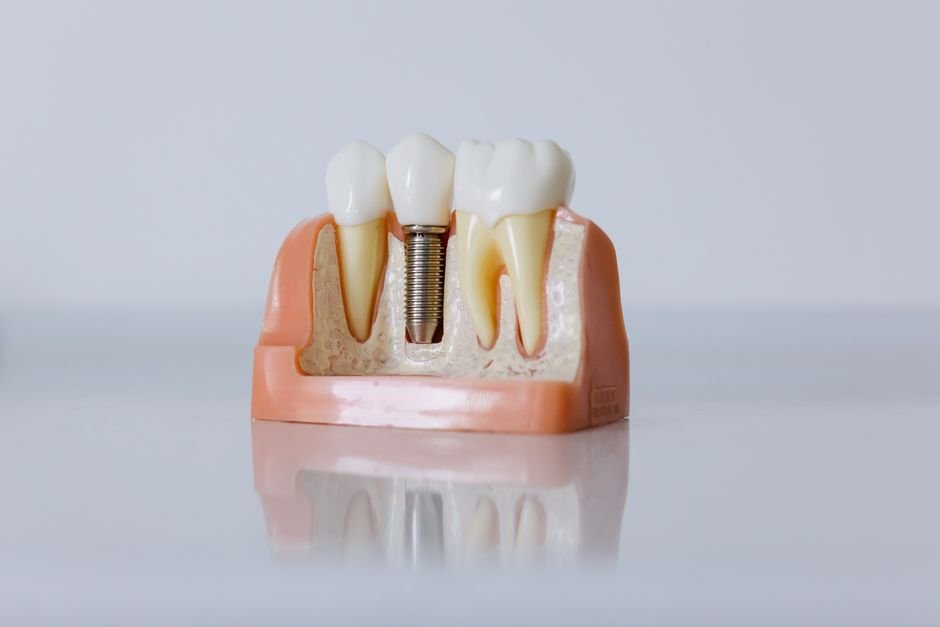
Inside every tooth is a chamber containing the nerve and blood supply, known as the pulp. In children, teenagers, and young adults, this chamber is relatively large and sits closer to the outer surface. It shrinks slowly over life as the tooth lays down extra dentine from the inside. This difference has a direct effect on which cosmetic treatments are advisable at different ages.
Procedures that involve removing enamel, such as traditional veneers or crowns, carry more risk of irritating or exposing the pulp in a young tooth. For this reason, dentists usually favour the most conservative options for younger patients, such as whitening, minimal or no-preparation veneers, cosmetic bonding, and orthodontics, saving more invasive work for later if it is ever needed.
What Cosmetic Options Suit Younger Adults Best?
For people in their late teens through their thirties, the priority is usually to improve the smile while preserving as much natural tooth as possible. Teeth whitening is often the first step, since younger enamel generally responds well and the results can be striking. Orthodontic treatment, including clear aligners, addresses crowding and spacing without removing any tooth structure at all.
Where individual teeth are chipped, worn, or slightly misshapen, cosmetic bonding with tooth-coloured resin is a reversible, tooth-preserving choice. If veneers are considered, minimal-preparation designs that remove little or no enamel are preferred. The guiding idea is to keep future options open, because a conservative treatment at thirty leaves room for whatever a person may want or need at fifty.
How Does Cosmetic Planning Differ for Older Adults?
By middle age and beyond, many people already have fillings, crowns, bridges, or a missing tooth or two, and any cosmetic plan has to work with these. Whitening, for example, does not change the colour of existing crowns or white fillings, so front-tooth restorations may need replacing after whitening to match the new shade. This sequencing needs to be planned from the start.
Wear is also more advanced, so treatment may need to rebuild lost tooth height as well as improve colour and shape, which brings the bite into the picture. Gum recession may mean addressing root exposure or sensitivity. Older cosmetic dentistry is therefore often more comprehensive, blending cosmetic and restorative goals, and it benefits from a careful full-mouth assessment before anything begins.
Should an Older Smile Be Made Very White?
A dazzling, uniformly bright white smile can look natural on a young face but may appear artificial on an older one, where skin tone, lip fullness, and the amount of tooth shown when smiling have all changed. Natural teeth are rarely pure white and usually have subtle variation, being slightly lighter at the edges and a touch warmer near the gum.
Experienced cosmetic dentists often recommend lightening an older smile by a few shades to a colour that looks fresh and healthy for that person, rather than to the brightest possible result. Characteristics such as slight translucency at the edges and gentle surface texture are usually built into veneers and crowns for older patients so the result reads as a well-kept natural smile.
What Role Does Gum Health Play at Any Age?
Cosmetic treatment sits on a foundation of healthy gums and controlled decay, and this is true whether someone is twenty-five or seventy-five. Placing veneers or crowns on teeth with active gum inflammation invites problems, because the gumline may shift as the inflammation is treated, leaving margins exposed and the result looking uneven within a year or two.
In older patients, a history of gum disease can mean uneven gum levels between teeth, which affects how symmetrical a smile can be made. Sometimes minor gum reshaping is part of the plan. In younger patients, the gums are usually healthier, but habits set now determine how the gumline looks in later decades. Either way, stabilising the gums first protects the investment.
How Do Lifestyle and Expectations Shift With Age?
Younger patients often want a noticeable change and may be drawn to trends, while placing high value on treatments that can be adjusted as fashions and preferences evolve. They also tend to have decades of chewing and potential staining ahead, so durability and maintainability matter. Clear conversations about upkeep, such as periodic whitening top-ups or eventual bonding repairs, help set realistic expectations.
Older patients frequently prioritise looking healthy and rested rather than dramatically different, and they may be motivated by a specific event or simply by wanting their smile to match how they feel. Practical factors, such as how many appointments are involved and how the work will be maintained, often weigh more heavily. Matching the plan to these priorities is as important as the clinical details.
How Does Tooth Movement With Age Affect Cosmetic Results?
Teeth continue to shift slowly throughout adult life, and the lower front teeth in particular tend to crowd and overlap more with each passing decade. This matters for cosmetic dentistry because a veneer or bonding case designed for the current tooth positions can look less tidy in years to come if the underlying teeth keep moving beneath it.
For this reason, many dentists suggest a short course of clear aligners before cosmetic work in an older adult, to bring the teeth into a stable, well-aligned position first. A fixed retainer bonded behind the front teeth afterwards holds everything in place and protects the cosmetic result. Addressing movement before, rather than after, veneers or bonding tends to give a longer-lasting outcome.
Why Does Lip and Facial Change Influence Smile Design?
As people age, the upper lip lengthens and loses a little fullness, so less of the upper teeth shows at rest and when smiling, while more of the lower teeth becomes visible. A smile designed only around the teeth, without accounting for how much of them the lips actually reveal, can end up looking too short, too long, or oddly proportioned for the face.
Experienced cosmetic dentists assess the smile dynamically, watching how the lips move during speech and a natural smile, and design tooth length and shape to suit that. In older patients this often means adding a little length to worn front teeth to restore a more youthful display, done carefully so the result still looks age-appropriate rather than artificially large.
What Should You Discuss With Your Dentist Before Starting?
Ask how your age and the current condition of your teeth affect the options being offered, and why one approach is being recommended over another. Ask what the treatment will look like in five and ten years, how it will be maintained, and what happens if a tooth underneath a veneer or crown later needs attention.
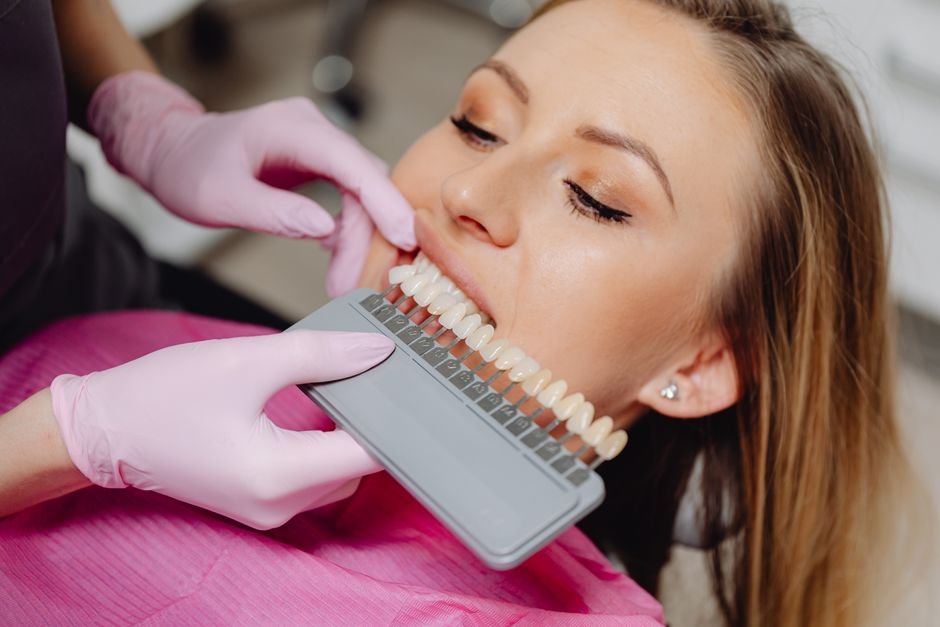
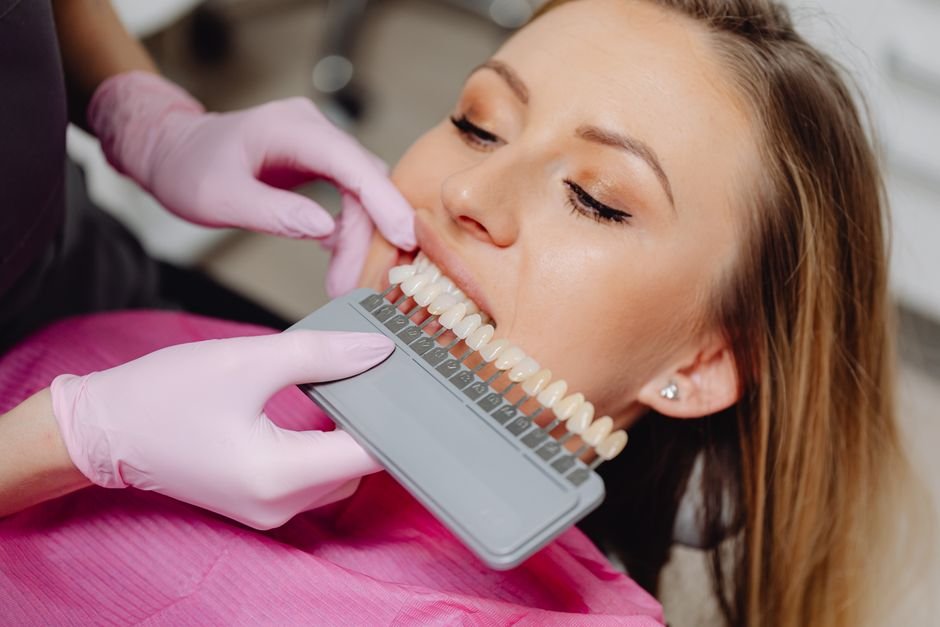
It is also worth asking to see a preview, whether a digital mock-up or a temporary trial, so you can judge the shade and shape against your own face before committing. A good cosmetic plan at any age is one that improves your smile today while respecting how your mouth will keep changing, and a thorough discussion beforehand is the best way to get there.
Frequently Asked Questions
Is there an age that is too young for cosmetic dentistry?
Whitening and bonding are generally delayed until the teeth and gums have matured, often the late teens, and irreversible treatments like veneers are usually postponed further. A dentist assesses tooth development individually rather than using a fixed age cut-off.
Does teeth whitening work as well on older teeth?
Whitening can still lighten older teeth, but results may be less dramatic because staining is deeper and dentine is naturally darker. Several sessions may be needed, and existing crowns or fillings will not change colour.
Will veneers placed when I am young last the rest of my life?
Veneers typically last many years but not indefinitely, so a set placed in your twenties will likely need replacing at least once or twice over a lifetime. Each replacement usually involves some additional tooth preparation.
Can cosmetic dentistry fix teeth that have worn down with age?
Yes. Worn teeth can be rebuilt with bonding, veneers, or crowns, and if a lot of height has been lost the bite is assessed too. This type of case combines cosmetic and restorative treatment.
Should I treat gum recession before cosmetic work?
Usually yes. Stabilising the gums and, where appropriate, addressing recession first means the cosmetic result will sit against a stable gumline and is less likely to look uneven or expose margins later.
Disclaimer: This article is for informational purposes only and does not constitute medical or dental advice. Always consult a qualified dental professional before making any decisions about your oral health or treatment options.