
Cosmetic dental work such as veneers, bonding, and crowns can last many years, but their lifespan depends heavily on daily habits: consistent gentle brushing, avoiding excessive force on repaired teeth, protecting against grinding, and attending regular checkups where a dentist can catch early wear before it becomes a bigger problem. Treating cosmetic work as a …
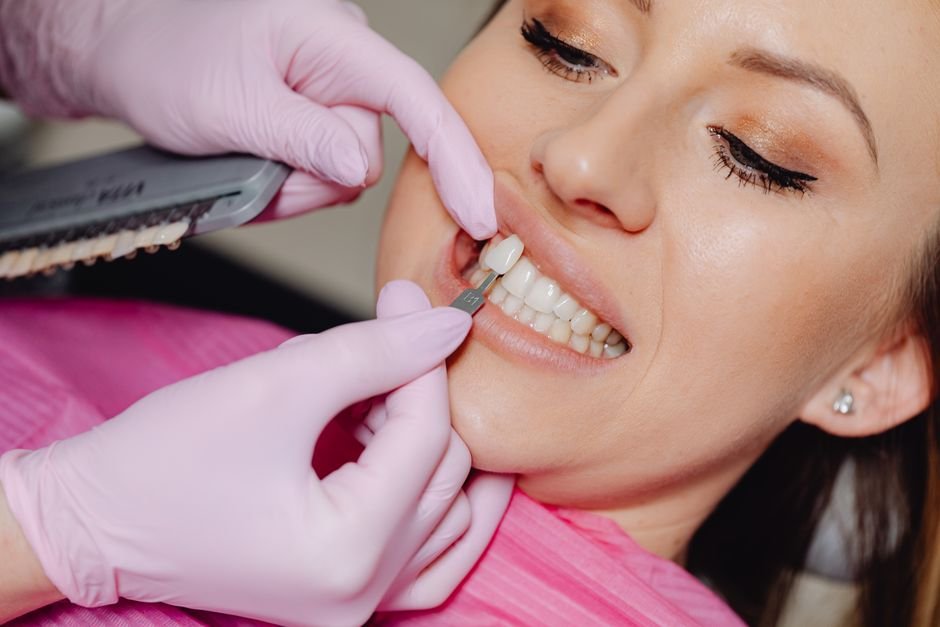

Cosmetic dental work such as veneers, bonding, and crowns can last many years, but their lifespan depends heavily on daily habits: consistent gentle brushing, avoiding excessive force on repaired teeth, protecting against grinding, and attending regular checkups where a dentist can catch early wear before it becomes a bigger problem. Treating cosmetic work as a long-term investment that needs ongoing care, rather than a one-time fix, is what actually determines how long the results hold up.
Key takeaways
- Gentle brushing with a soft-bristled brush protects both natural teeth and cosmetic restorations equally well.
- Grinding and clenching are among the most common reasons cosmetic dental work fails earlier than expected.
- Certain foods and habits, like biting hard objects, put unnecessary strain on bonded or veneered teeth.
- Regular checkups allow small issues with cosmetic work to be caught and corrected before they worsen.
- Staining habits still matter even with cosmetic work, since the surrounding natural teeth can shift in shade over time.
Why Does Daily Brushing Technique Matter for Cosmetic Work?
Cosmetic restorations like veneers and bonding sit directly against the natural tooth structure and gum tissue, which means the same gentle, consistent brushing that protects natural teeth also protects the longevity of the restoration itself. A soft-bristled brush used with light, circular motions cleans effectively without wearing down the bonding material or irritating the gumline where a veneer meets the tooth. Aggressive scrubbing, by contrast, can gradually dull the surface finish of bonded teeth over time.
Fluoride toothpaste remains just as important for cosmetic work as it is for natural teeth, since the areas surrounding a veneer or crown, particularly at the margin where restoration meets tooth, remain vulnerable to decay if plaque is allowed to build up. Paying close attention to these margin areas during brushing, rather than assuming a restoration itself cannot decay, helps prevent problems that could eventually undermine the restoration’s fit and appearance.
How Does Grinding Affect Cosmetic Dental Work?
Teeth grinding and jaw clenching, often happening unconsciously during sleep or periods of stress, place repeated pressure on teeth that can gradually chip, crack, or loosen cosmetic restorations well before their expected lifespan. Bonding material and veneer edges are particularly vulnerable to this kind of repetitive force, since they are thinner and less forgiving than the full thickness of a natural tooth.
A properly fitted night guard is one of the most effective ways to protect cosmetic work from grinding-related damage, distributing the force of clenching evenly and reducing direct pressure on treated teeth. Anyone who has invested in cosmetic dental work and also experiences jaw tension, morning headaches, or visible wear patterns should treat a night guard as a genuine part of protecting that investment, not an optional extra.
What Foods and Habits Put Cosmetic Work at Risk?
Biting into hard foods like ice, hard sweets, or unpopped popcorn kernels, and habits like chewing on pens or opening packaging with the teeth, put sudden concentrated force on cosmetic restorations that they are not designed to withstand. Even a single incident of biting something unexpectedly hard can chip a veneer or crack bonding material that had otherwise been holding up well for years.
Sticky and very chewy foods present a different kind of risk, since the pulling motion involved in separating sticky food from the teeth can gradually loosen bonding at the edges of a restoration. Being mindful of these habits, and treating cosmetic teeth with the same caution you would apply to any repaired object, meaningfully extends how long the results continue to look and function well.
How Should You Manage Staining Around Cosmetic Work?
Bonding material and the surface of some cosmetic restorations can pick up surface staining over time from coffee, tea, red wine, and tobacco, similar to natural enamel, though the exact staining behaviour can differ slightly depending on the specific material used. This means the same staining habits that affect natural teeth remain relevant even after cosmetic work is complete.
An uneven staining pattern, where natural teeth darken while a crown or veneer stays lighter, can become noticeable over years if staining habits are not managed consistently across the whole smile. Regular gentle cleaning, moderating stain-causing drinks, and occasional professional polishing help keep the overall smile looking uniform rather than allowing cosmetic and natural teeth to visibly diverge in shade.
Why Are Regular Checkups Still Necessary After Cosmetic Treatment?
It is a common misconception that cosmetic dental work removes the need for regular checkups, when in fact these visits become just as important, if not more so, for catching small issues with margins, chips, or shifting bite patterns before they progress into larger and more costly problems. A dentist examining cosmetic work with proper lighting and instruments can spot early signs of wear that are not visible to the patient at home.
Checkups also allow a dentist to monitor the health of the gum tissue surrounding cosmetic restorations, since gum recession or inflammation near a veneer or crown margin can eventually expose the restoration’s edge and affect both appearance and longevity. Maintaining the same checkup schedule recommended for natural teeth protects the cosmetic investment just as much as it protects overall oral health.
How Does Gum Health Affect the Appearance of Cosmetic Work?
The gum tissue framing a cosmetic restoration plays a significant role in how natural the final result looks, since even a perfectly matched veneer or crown can appear uneven if the surrounding gumline recedes or becomes inflamed. Healthy, stable gum tissue essentially acts as the frame around the cosmetic work, and changes to that frame change how the whole result reads visually.
Consistent flossing around cosmetic restorations, using gentle technique to avoid snagging or pulling at the margin, helps maintain healthy gum tissue in these areas. Anyone who notices gum recession, sensitivity, or a change in how a restoration’s edge looks against the gum should raise it during a checkup rather than waiting, since gum-related changes are often easier to manage the earlier they are addressed.
What Signs Suggest Cosmetic Work Needs Attention?
Visible chips, rough edges felt with the tongue, a change in colour at the margin between restoration and natural tooth, or a restoration that feels slightly loose are all signs that cosmetic work may need professional evaluation. These changes can develop gradually, which is why they are sometimes easier for a dentist to notice during a routine checkup than for the patient to notice day to day.
Sensitivity to temperature in a tooth that has cosmetic work, particularly if it is new or worsening, is another signal worth mentioning at a checkup, since it can indicate that the seal between restoration and tooth has been compromised somewhere along the margin. Addressing these signs early generally allows for simpler repairs than waiting until the issue has progressed further.
How Long Should You Realistically Expect Cosmetic Work to Last?
Longevity varies considerably depending on the type of cosmetic work, the materials used, and how consistently the care habits described above are followed, which is why it is difficult to give one single expected lifespan that applies to every case. Bonding tends to have a shorter lifespan than porcelain veneers or crowns, largely because the material itself is less resistant to wear and staining over time.
Rather than fixating on a specific number of years, it is more useful to think of cosmetic dental work as something that lasts as long as it is well cared for, with checkups acting as checkpoints along the way. Consistent care genuinely extends the practical lifespan of cosmetic work well beyond what happens when it is neglected, making daily habits one of the biggest factors within a patient’s own control.
Frequently Asked Questions
Do I need a special toothpaste for veneers or bonding?
A standard fluoride toothpaste without harsh abrasive whitening particles is generally the safest choice, since overly abrasive formulas can gradually dull the polished surface of cosmetic restorations over time.
Can cosmetic dental work be repaired if it chips?
In many cases small chips can be smoothed or repaired by a dentist, though the appropriate approach depends on the size and location of the chip, which is why prompt evaluation rather than waiting tends to lead to simpler outcomes.
Is it normal for cosmetic work to feel different from natural teeth?
A very slight difference in texture or feel can be normal immediately after treatment, but any persistent rough edge, looseness, or discomfort should be checked, since well-fitted cosmetic work should feel comfortable and blend naturally within a short adjustment period.
Does whitening toothpaste help keep cosmetic work looking bright?
Whitening toothpastes can help manage surface staining on some cosmetic materials, but their abrasive action means they should be used cautiously and are not a substitute for professional polishing when more noticeable staining develops.
How often should cosmetic dental work be professionally checked?
Following the same checkup interval recommended for natural teeth, typically twice yearly unless a dentist advises otherwise, allows any early changes in cosmetic restorations to be identified and addressed before they become more significant.
Disclaimer: This article is for informational purposes only and does not constitute medical or dental advice. Always consult a qualified dental professional before making any decisions about your oral health or treatment options.