
Once fully healed, dental implants let most people eat a wide, normal range of foods with confidence, since the implant is anchored directly into the jawbone and functions much like a natural tooth root. During the healing period immediately after surgery, though, a temporary period of softer eating is necessary to protect the site while …
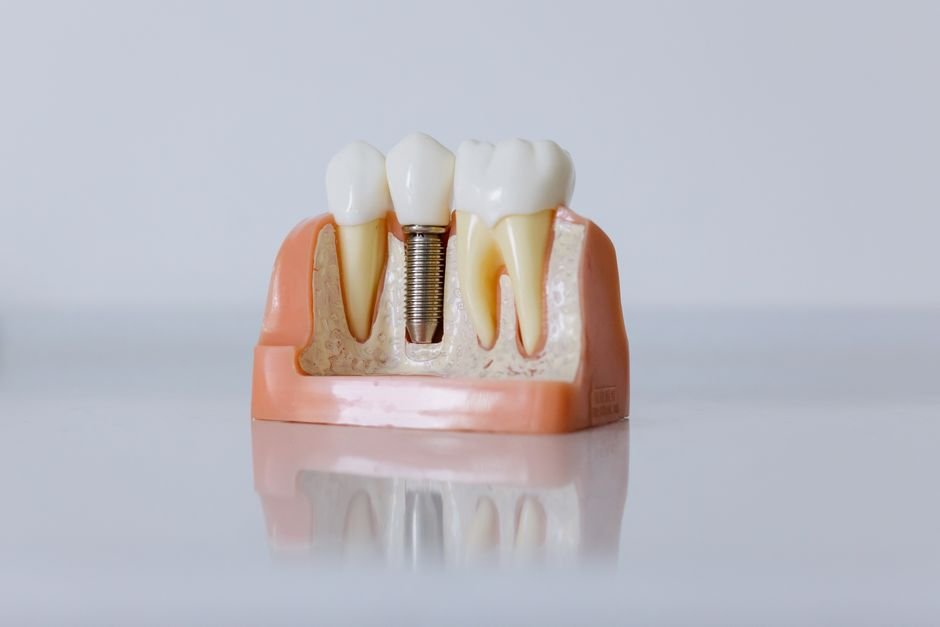

Once fully healed, dental implants let most people eat a wide, normal range of foods with confidence, since the implant is anchored directly into the jawbone and functions much like a natural tooth root. During the healing period immediately after surgery, though, a temporary period of softer eating is necessary to protect the site while it integrates with the bone. Understanding this timeline helps set realistic expectations for anyone considering or recovering from implant treatment.
Key takeaways
- Soft foods are recommended for a period after implant surgery while the site heals.
- Once fully healed, implants generally allow a normal, varied diet.
- Extremely hard or sticky foods deserve some caution even after healing is complete.
- Chewing evenly across both sides of the mouth supports long term implant health.
- Good eating habits work alongside daily cleaning to protect implants over time.
What Can You Eat Right After Implant Surgery?
In the first few days following implant placement, a soft food diet is typically recommended to avoid putting pressure on the healing site. Foods such as soups, yoghurt, mashed vegetables, scrambled eggs, and smoothies are gentle options that provide nutrition without requiring significant chewing near the surgical area.
It is also sensible to avoid very hot foods and drinks in the first day or so, since the area may still be numb from anaesthetic and there is a risk of accidentally burning the tissue without realising it. Chewing on the opposite side of the mouth from the implant site further reduces unnecessary pressure while the initial healing gets underway.
How Does the Diet Change as Healing Progresses?
As the surgical site heals over the following one to two weeks, most people can gradually reintroduce slightly firmer foods, moving from purely soft textures toward things like well-cooked pasta, tender meats, and cooked vegetables. This transition should be guided by comfort, since some tenderness naturally lingers longer in certain individuals than others.
The full integration of an implant with the jawbone, a process called osseointegration, generally takes several months to complete, even though the surface tissue heals much faster. During this longer underlying healing period, your dentist will advise when it is appropriate to return to a fully normal diet, since the timeline can vary depending on the individual case and where in the mouth the implant was placed.
Can You Eat Normally Once the Implant Has Fully Healed?
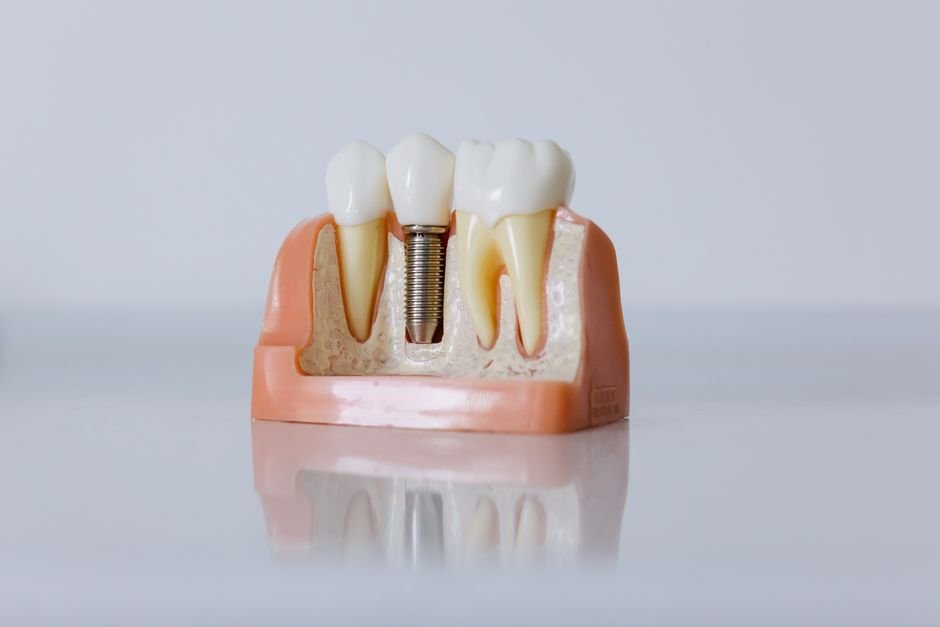
Once healing is complete and the implant has been restored with its final crown, most people find they can eat a wide variety of foods much as they would with a natural tooth. The implant itself is fused securely into the jawbone, giving it a stable foundation that functions well under normal biting and chewing forces.
Many patients describe implants as feeling more solid and predictable than removable dentures once fully healed, since there is no risk of the tooth shifting or coming loose while eating. This stability is one of the reasons implants are often chosen specifically by people who want to return to eating a full range of foods without ongoing dietary restrictions.
Are There Still Foods Worth Approaching With Caution?
Even after full healing, extremely hard foods such as ice, hard sweets, and un-popped popcorn kernels are worth approaching carefully, not because they specifically threaten the implant itself, but because biting down hard and unevenly on these items can chip the crown attached to it, much as it could a natural tooth.
Very sticky foods, like some chewy sweets or toffee, can also place unusual pulling forces on a crown if they cause excessive resistance while chewing. This is not a reason to avoid such foods entirely for most people, but being a little more mindful with them protects the visible restoration on top of the implant, which is generally the more vulnerable part of the overall structure.
Does Chewing Pattern Matter for Long Term Implant Health?
Consistently chewing on only one side of the mouth, whether from habit or because it feels more comfortable, can place uneven pressure on the teeth and implants on that side over time. Distributing chewing more evenly across both sides of the mouth helps spread biting forces more naturally, which supports the long term stability of both natural teeth and implants.
This is particularly relevant for people who have implants on one side of their mouth and natural teeth on the other, since an imbalance in chewing habits can develop without much conscious awareness. Being mindful of this, especially in the months after treatment, is a simple habit that supports the implant’s function over the years ahead.
How Does Diet Affect Implants Beyond Chewing Forces?
Beyond the mechanical aspect of chewing, a generally balanced diet supports the health of the gum and bone tissue surrounding an implant, much as it does for natural teeth. Adequate intake of calcium, vitamin D, and other nutrients that support bone health plays a role in maintaining the strong foundation an implant depends on.
A diet high in sugary or acidic foods and drinks can also affect the gum tissue around an implant, increasing the risk of inflammation in the same way it can around natural teeth. While implants themselves cannot develop decay, the surrounding gum and bone remain vulnerable to disease, which means dietary habits that support general oral health continue to matter after implant treatment is complete.
What Role Does Daily Cleaning Play Alongside Diet?
Good eating habits work most effectively alongside consistent daily cleaning around the implant and its crown. Food particles can still accumulate around an implant just as they would around a natural tooth, and thorough brushing and interdental cleaning help prevent this buildup from affecting the surrounding gum tissue.
Special interdental brushes or floss designed for use around implants are often recommended, since the shape of the restoration and the space beneath it can differ slightly from a natural tooth. Your dentist or hygienist can demonstrate the most effective way to clean around your specific implant, ensuring that your eating habits and cleaning routine work together to protect the investment long term.
When Should You Contact Your Dentist About Eating Discomfort?
Some mild sensitivity when chewing in the days following surgery is expected, but discomfort that persists well beyond the initial healing window, or that develops suddenly around an implant that had previously felt fine, is worth discussing with your dentist. This can sometimes indicate that the bite needs a minor adjustment.
Pain or looseness felt specifically while chewing, rather than general tenderness, should not be ignored, since catching an issue early generally makes it easier and more straightforward to resolve. Regular checkups also give your dentist the opportunity to assess how the implant and surrounding tissue are responding over time, well beyond the initial healing period.
How Do Implants Compare to Dentures When It Comes to Eating?
One of the most commonly reported advantages of implants over removable dentures is the confidence they provide while eating. Because implants are fixed permanently in the jaw, there is no risk of the restoration shifting, slipping, or coming loose mid-meal, which is a common frustration for some denture wearers, particularly with harder or chewier foods.
This stability often means people with implants feel comfortable eating foods they may have avoided with removable dentures, such as corn on the cob, crusty bread, or firmer cuts of meat. While individual comfort still varies, the fixed nature of an implant generally translates into fewer everyday dietary compromises once healing is complete.
Frequently Asked Questions
How long does it typically take before you can eat normally after implant surgery?
Soft foods are usually recommended for the first one to two weeks, with a gradual return to firmer textures over the following weeks, though full comfort with a completely normal diet often develops over a few months as healing progresses.
Can dental implants handle the same bite force as natural teeth?
Once fully healed and integrated with the jawbone, implants generally provide strong, stable support for normal biting and chewing forces, often comparable to that of a healthy natural tooth.
Is it necessary to avoid coffee, tea, or acidic drinks with an implant?
These are generally fine in moderation, though the crown attached to the implant can be affected by staining over time in a similar way to natural teeth, so regular cleaning helps keep it looking its best.
Do implants require a special diet on an ongoing basis?
No ongoing special diet is required once healing is complete. Most people can eat a full, varied diet, with the main advice being general caution around extremely hard or sticky foods to protect the crown.
What should you do if chewing near an implant suddenly feels uncomfortable?
Sudden discomfort while chewing near a previously comfortable implant is worth reporting to your dentist, since it may indicate a minor bite adjustment is needed or that the area deserves a closer look.
Disclaimer: This article is for informational purposes only and does not constitute medical or dental advice. Always consult a qualified dental professional before making any decisions about your oral health or treatment options.