
Inlays and onlays are custom-made dental restorations used to repair teeth with damage too extensive for a standard filling but not severe enough to need a full crown. An inlay fits within the grooves on the biting surface of a tooth, between the raised cusps, while an onlay extends further to cover one or more …

Inlays and onlays are custom-made dental restorations used to repair teeth with damage too extensive for a standard filling but not severe enough to need a full crown. An inlay fits within the grooves on the biting surface of a tooth, between the raised cusps, while an onlay extends further to cover one or more of those cusps as well. Both are typically crafted from porcelain, composite resin, or gold, fabricated outside the mouth, and then bonded or cemented into place. Understanding which one your dentist recommends comes down to how much of the tooth structure has been lost to decay, wear, or a previous filling that has failed.
Key takeaways
- Inlays fit within the tooth’s biting surface, while onlays extend over one or more cusps.
- Both sit between a standard filling and a full crown in terms of how much tooth structure they restore.
- They are custom-made in a laboratory or with digital scanning technology, then bonded into place.
- Inlays and onlays preserve more natural tooth structure than a crown while offering more strength than a large filling.
- Material choice, such as porcelain, composite, or gold, affects appearance, durability, and cost.
What Is the Main Difference Between an Inlay and an Onlay?
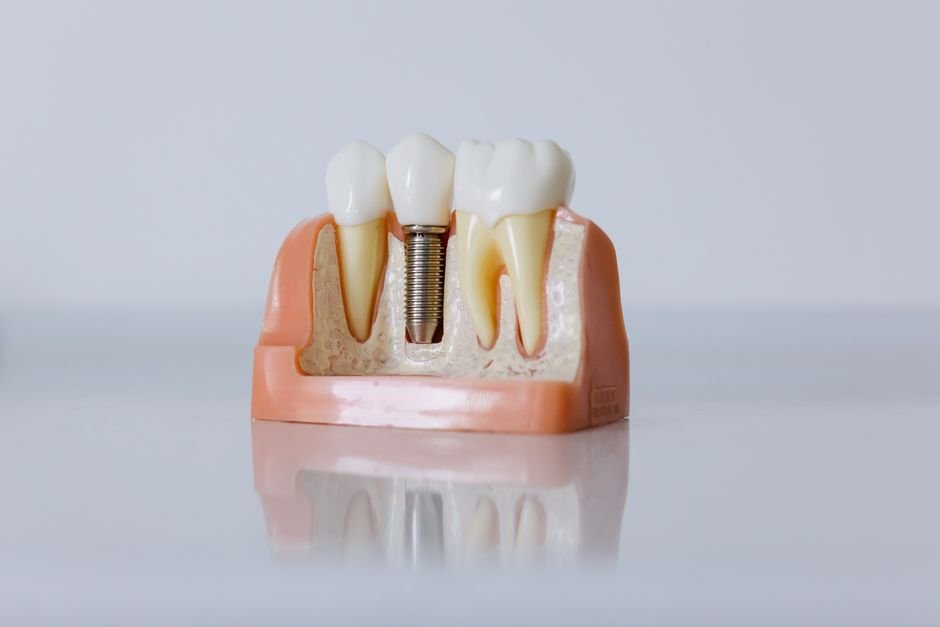
The distinction comes down to location and coverage. An inlay is designed to sit entirely within the natural grooves of a tooth‘s chewing surface, filling the space between the cusps without extending over them. It is used when decay or damage is confined to this central area and the surrounding cusp structure remains strong and intact.
An onlay is used when the damage extends beyond the central grooves to affect one or more of the cusps themselves. Rather than stopping at the edge of the damaged area, an onlay is shaped to cover and support these weakened cusps, essentially reinforcing them the way a partial crown might. This makes onlays a slightly larger, more encompassing restoration than inlays, though both are considerably more conservative than a full crown.
Why Would a Dentist Choose an Inlay or Onlay Over a Filling?
Standard fillings work well for small to moderate cavities, but once decay or a fracture affects a significant portion of the tooth, a filling alone may not provide enough strength to withstand normal biting forces. Large fillings can also shrink slightly as they set, which over time may create small gaps where bacteria can re-enter and cause further decay underneath.
Inlays and onlays are fabricated to fit precisely into the prepared cavity and are bonded in as a single, solid piece, which distributes chewing forces more evenly across the tooth. This added strength and improved seal make them a more durable option for moderate to large areas of damage, helping to extend the working life of the tooth without resorting to a full crown, which would require removing considerably more healthy structure.
How Is an Inlay or Onlay Procedure Carried Out?
The process usually spans two appointments, similar in some ways to getting a crown. At the first visit, the dentist removes any decay or the old filling, shapes the remaining tooth structure to receive the restoration, and takes an impression or digital scan of the prepared tooth. A temporary filling is placed to protect the tooth while the permanent piece is being made.
The impression or scan is sent to a dental laboratory, or in some practices processed with in-house milling technology, where the inlay or onlay is custom-crafted to match the exact shape of the cavity and the surrounding bite. At the second appointment, the temporary filling is removed, the fit and colour are checked, and the restoration is permanently bonded into place with a strong dental cement, then polished to blend smoothly with the tooth.
What Materials Are Inlays and Onlays Made From?
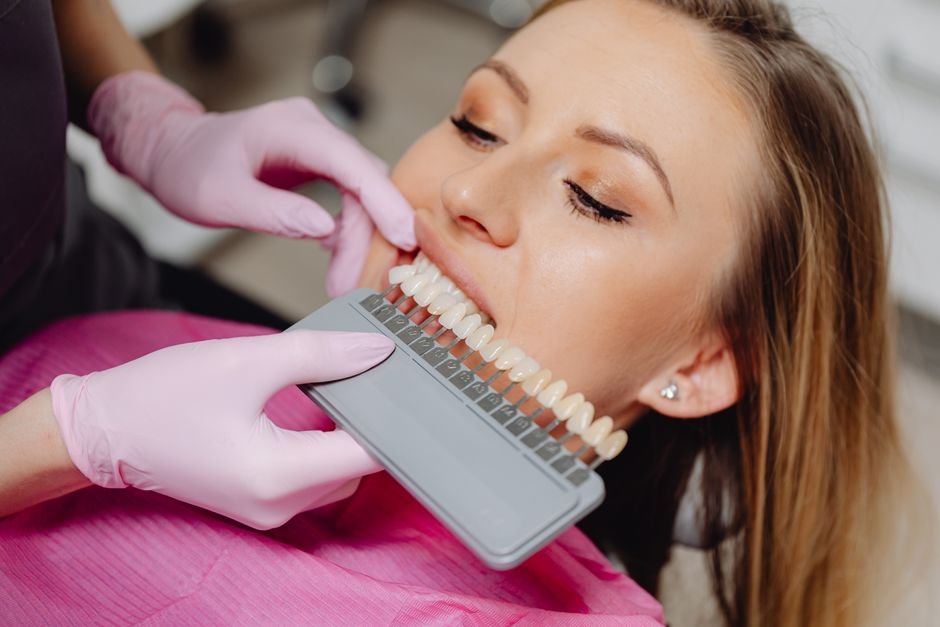
Porcelain is a popular choice because it closely matches the natural colour and translucency of tooth enamel, making the restoration virtually unnoticeable. It also resists staining well over time. Composite resin is another tooth-coloured option, often more affordable than porcelain, though it may not hold its polish or resist wear quite as long under heavy chewing forces.
Gold has been used for this type of restoration for a very long time because of its exceptional durability and gentle wear pattern on opposing teeth. While it lacks the natural appearance of porcelain or composite, some patients still choose gold for back teeth where visibility is less of a concern and long-term strength is the priority. The choice of material often depends on the tooth’s location, the patient’s bite, and personal preference regarding appearance.
How Long Do Inlays and Onlays Typically Last?
With good oral hygiene and regular dental check-ups, porcelain and gold inlays or onlays can last for well over a decade, often considerably longer. Their durability comes from both the strength of the material itself and the precision of the fit, which minimises the small gaps and stress points that can lead to failure in less exact restorations.
Composite resin versions tend to have a somewhat shorter lifespan than porcelain or gold, though they still typically outperform a large standard filling in the same location. Longevity for any of these restorations depends heavily on factors such as grinding habits, diet, and how consistently a patient maintains brushing, flossing, and professional cleanings, since the surrounding natural tooth remains just as susceptible to decay as before.
Do Inlays and Onlays Feel Different From Natural Teeth?
Once fully bonded and polished, most patients report that inlays and onlays feel very similar to their natural tooth structure, since the restoration is custom-fitted to match the original contours of the biting surface. Any minor differences in sensation typically settle within a short period as the mouth adjusts to the slightly altered surface.
Because the fit is so precise, patients generally do not notice a significant change in how their bite feels compared to a large filling, which can sometimes feel bulky or uneven if it was not shaped perfectly. Occasionally, a dentist may need to make small adjustments at a follow-up visit if a restoration feels slightly high when biting down, which is a normal part of fine-tuning the fit.
Are There Downsides to Choosing an Inlay or Onlay?
The main drawback compared to a standard filling is the additional time and cost involved, since the restoration must be custom-made rather than shaped directly in the mouth during a single visit. This typically means at least two appointments are needed, along with a temporary restoration in between, which can be less convenient for patients wanting a quicker resolution.
There is also a slightly higher cost associated with the laboratory work and material quality, particularly for porcelain or gold versions. However, many patients and dentists consider this a worthwhile trade-off given the improved strength, fit, and longevity compared to a large filling, especially for teeth that endure significant chewing pressure, such as molars at the back of the mouth.
How Do You Know Which Restoration Your Tooth Needs?
The decision between a filling, inlay, onlay, or crown is made by a dentist after a thorough examination, which may include X-rays to assess the extent of decay or fracture beneath the visible surface. The dentist considers how much healthy tooth structure remains, where the cusps are affected, and how much chewing force the tooth typically experiences.
Patients are usually given the opportunity to discuss material options and understand the reasoning behind the recommendation before proceeding. If a cavity or old filling is caught early, a straightforward filling may still suffice, but once the damage extends closer to the cusps, an inlay or onlay often becomes the more conservative and durable long-term solution compared to jumping straight to a full crown.
Frequently Asked Questions
Is getting an inlay or onlay painful?
The procedure is generally performed with a local anaesthetic, so discomfort during the appointment is minimal. Some mild sensitivity to hot, cold, or pressure can occur for a short period afterwards while the tooth settles, but this typically resolves within a few days as the restoration beds in.
Can an inlay or onlay be placed in a single visit?
Traditionally, the process requires two visits because the restoration is custom-made in a laboratory. However, some dental practices now use in-house digital scanning and milling technology that can produce a ceramic inlay or onlay on the same day, reducing the need for a second appointment.
Will an inlay or onlay match the colour of my natural teeth?
Porcelain and composite resin restorations are shaded to closely match the surrounding natural tooth, making them blend in well and appear largely unnoticeable. Gold restorations do not attempt to match tooth colour and are typically reserved for back teeth where appearance is a lower priority than strength.
How should I care for a tooth with an inlay or onlay?
Care is much the same as for any natural tooth: brushing twice daily, flossing regularly, and attending routine dental check-ups. Since decay can still develop in the surrounding natural tooth structure or at the margins of the restoration, consistent oral hygiene remains essential to protect the investment long-term.
What happens if an inlay or onlay eventually fails?
If a restoration cracks, loosens, or the surrounding tooth develops new decay, a dentist can typically remove and replace it, sometimes with another inlay or onlay, or occasionally with a crown if the tooth has weakened further. Regular check-ups help catch these issues early before they become more serious.
Disclaimer: This article is for informational purposes only and does not constitute medical or dental advice. Always consult a qualified dental professional before making any decisions about your oral health or treatment options.