
A cracked tooth can usually be repaired, and the right method depends on how deep the crack runs and whether it has reached the nerve. Minor surface cracks are often fixed in a single visit with bonding or a filling, while deeper cracks typically need a crown to hold the tooth together, and cracks that …

A cracked tooth can usually be repaired, and the right method depends on how deep the crack runs and whether it has reached the nerve. Minor surface cracks are often fixed in a single visit with bonding or a filling, while deeper cracks typically need a crown to hold the tooth together, and cracks that reach the pulp may require a root canal before the tooth is restored. In rare cases where the crack splits the root, extraction becomes the only realistic option. Seeing a dentist promptly gives you the widest range of choices and the best chance of keeping the natural tooth.
Key takeaways
- Not all cracks look or feel the same, and treatment depends entirely on depth and location.
- Shallow cracks can often be smoothed or bonded, while deeper ones usually need a crown.
- Pain when biting down or releasing pressure is a classic sign of a cracked tooth.
- A crack that reaches the nerve may require a root canal to save the tooth.
- Prompt attention gives dentists more conservative options and a better long-term outcome.
What Causes a Tooth to Crack?
Teeth crack for a range of reasons, and it is rarely a single dramatic event. Chewing on hard foods such as ice, boiled sweets, or nut shells places sudden, uneven pressure on the enamel, which can create a fracture line over time. Grinding or clenching the teeth, especially during sleep, gradually weakens the structure until a crack develops. Large existing fillings can also hollow out a tooth, leaving thinner walls that are more prone to splitting under normal biting force.
Age plays a role too, since enamel naturally becomes more brittle over the years and has absorbed decades of minor stress. A sudden temperature change, such as biting into something hot immediately after a cold drink, can also cause enamel to expand and contract unevenly, contributing to a crack. In many cases, a combination of factors is responsible, which is why cracks often become noticeable later in life even without an obvious single cause.
How Do I Know If My Tooth Is Cracked?
Cracked teeth are notoriously difficult to detect because the line is often too fine to see and does not always appear on an X-ray. The most reliable clue is a sharp, brief pain when biting down on certain foods, followed by discomfort when the pressure is released rather than while it is applied. Sensitivity to hot, cold, or sweet foods that comes and goes unpredictably is another common sign, along with a general feeling that something is wrong with one particular tooth even without a visible mark.
A dentist can usually confirm a suspected crack using a combination of methods, including a special dye that highlights the fracture line, a bite test using a small stick or tool, and close examination with magnification or a light source shone through the tooth. Because symptoms can be vague, it is worth mentioning the exact type of discomfort you feel, since the pattern of pain often gives more information than the crack itself.
Is a Cracked Tooth a Dental Emergency?
Whether a cracked tooth counts as an emergency depends on the symptoms rather than the appearance of the crack. A hairline crack with no pain and no visible damage to the surrounding tooth can usually wait for a routine appointment. However, a crack accompanied by sharp pain, a piece of tooth breaking away, visible pulp, or swelling of the gum around the tooth should be treated as urgent, since these signs suggest the crack has reached deeper layers or introduced bacteria into the tooth.
Delaying treatment on a painful or structurally compromised crack allows the fracture to spread further with normal chewing, which narrows the treatment options over time. What might have been fixable with a filling or crown can progress to needing a root canal, and in the worst cases, extraction. If in doubt, it is always safer to have the tooth assessed sooner rather than waiting to see if the discomfort settles on its own.
What Is Dental Bonding and When Is It Used?
Dental bonding involves applying a tooth-coloured composite resin to the cracked area, shaping it to match the natural contour of the tooth, and hardening it with a curing light. It is one of the most conservative repair options available and is typically reserved for minor cracks that affect only the outer enamel without reaching the softer dentine or the nerve underneath. The procedure is usually completed in a single visit and does not require any laboratory work.
Bonding is popular for small chips and craze lines because it is quick, relatively affordable, and preserves the maximum amount of natural tooth structure. That said, composite resin is less durable than a crown and can wear down or stain over time, particularly if the tooth involved is used for heavy chewing. Dentists often recommend bonding as an interim solution for front teeth or as a permanent fix for cracks that are genuinely superficial.
When Does a Crack Require a Crown?
A crown becomes necessary when a crack is too extensive for bonding or a filling to hold the tooth together safely. Crowns work by covering the entire visible portion of the tooth, essentially acting as a protective cap that distributes biting force evenly and prevents the crack from spreading any further. This makes them the standard choice for cracks that run through a significant portion of the tooth or that follow a previous large filling or root canal.
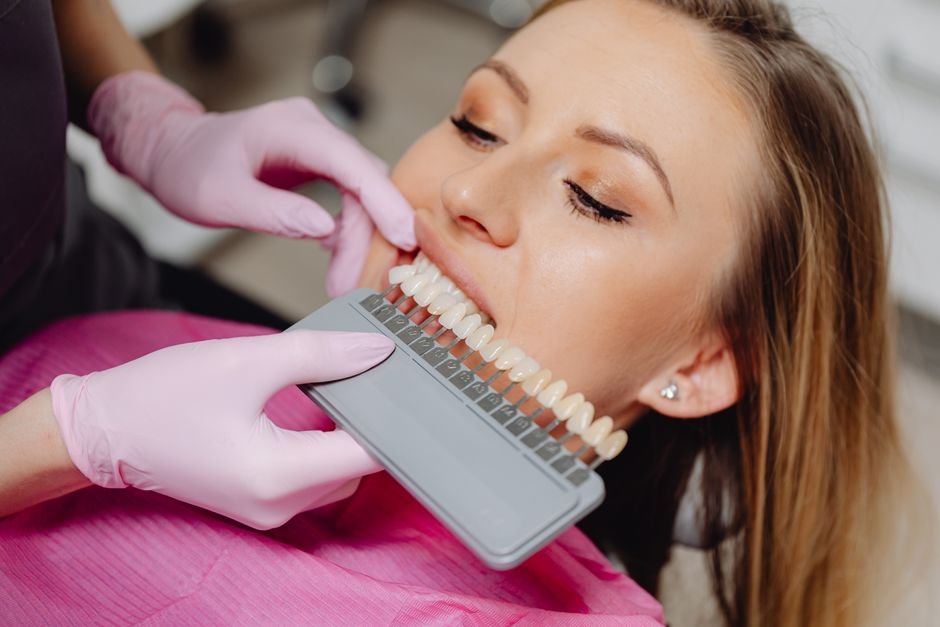
Fitting a crown typically involves shaping the remaining tooth structure, taking an impression or digital scan, and placing a temporary crown while the permanent one is custom made. Crowns are available in various materials, including porcelain, ceramic, and metal alloys, each offering a different balance of strength and natural appearance. Once fitted, a well-made crown can restore full chewing function and often lasts many years with routine care.
What Happens If the Crack Reaches the Nerve?
When a crack extends deep enough to expose or irritate the nerve inside the tooth, symptoms usually become more intense and persistent. Instead of brief, occasional discomfort, you may notice constant throbbing, lingering sensitivity to temperature that does not fade quickly, or pain that disturbs sleep. This happens because the nerve tissue becomes inflamed or infected once it is no longer protected by a solid layer of enamel and dentine.
Once the nerve is involved, simply covering the crack with a crown is unlikely to resolve the underlying problem, since the source of pain and infection remains inside the tooth. At this stage, the tooth needs to be assessed for a root canal procedure, which removes the damaged nerve tissue and seals the space to stop the infection from spreading. Leaving a nerve-involved crack untreated can lead to a dental abscess, which brings its own set of complications.
Can a Severely Cracked Tooth Be Saved with a Root Canal?
In many cases, yes. A root canal removes the infected or damaged nerve tissue from inside a cracked tooth, cleans and disinfects the empty canal, and fills it with a biocompatible material to seal it against future infection. This treats the internal problem caused by the crack, even though it does not repair the crack itself. Afterwards, the tooth is usually built up and covered with a crown to restore strength and protect it from further fracturing.
The success of this approach depends heavily on how far the crack extends. If it stays within the crown portion of the tooth, a root canal followed by a crown often provides a durable, long-lasting result. However, if the crack travels down into the root itself, the prognosis is far less favourable, since it becomes difficult to seal the tooth completely, and the structure may no longer be strong enough to support a restoration.
When Is Extraction the Only Option?
Extraction becomes necessary when a crack extends vertically down into the root, splitting the tooth into separate pieces or creating a channel that cannot be sealed against bacteria. This type of fracture, sometimes called a split tooth, cannot be repaired because there is no way to restore the structural integrity of a tooth that is broken into segments below the gumline. Continuing to keep such a tooth often leads to recurring infection and bone loss around the area.
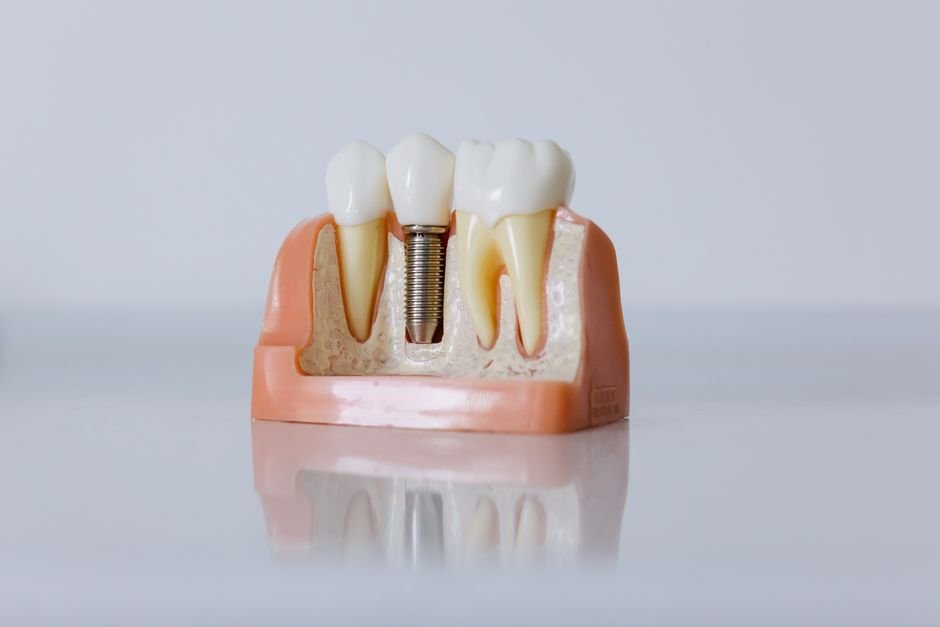
While losing a tooth is never the preferred outcome, modern replacement options mean it does not have to leave a lasting gap in function or appearance. Once the extraction site has healed, options such as a bridge, a partial denture, or a dental implant can restore the ability to chew and speak comfortably. Discussing replacement options at the time of extraction helps ensure the transition is planned rather than left as an afterthought.
How Can I Prevent Cracked Teeth in the Future?
Prevention largely comes down to reducing the everyday habits that place unnecessary stress on your teeth. Avoiding hard foods such as ice, hard sweets, and unpopped popcorn kernels removes one of the most common causes of sudden fractures. If you grind or clench your teeth, particularly during sleep, a custom-fitted night guard can absorb much of that pressure and significantly lower the risk of cracks developing over time.
Routine dental check-ups also play a preventative role, since a dentist can spot early warning signs such as craze lines, worn edges, or large ageing fillings before they progress into a full crack. Maintaining good oral hygiene keeps the surrounding gum and bone healthy, which supports the tooth structure as a whole. Wearing a mouthguard during contact sports further protects against the kind of sudden impact that can fracture even healthy, strong teeth.
Frequently Asked Questions
Can a cracked tooth heal on its own?
No, a cracked tooth cannot heal itself because enamel and dentine do not regenerate the way skin or bone can. Once a crack forms, it will not close up naturally, and it can gradually worsen with continued biting pressure. Professional treatment is needed to stabilise the tooth, ranging from bonding for minor cracks to a crown or root canal for more significant damage.
Does a cracked tooth always hurt?
Not always. Some cracks, particularly shallow ones limited to the enamel, cause little or no discomfort and are only noticed during a routine dental check-up. Others cause sharp, intermittent pain, especially when biting down or when the tooth is exposed to hot or cold temperatures. The absence of pain does not necessarily mean the crack is minor, so it is still worth having it assessed.
How long can I wait before treating a cracked tooth?
This depends on the severity of the crack and the symptoms present. A minor, painless crack may be safe to monitor until a routine appointment, but any crack causing pain, sensitivity, or visible damage should be assessed as soon as possible. Cracks tend to worsen gradually with ongoing use, so delaying treatment generally narrows the available repair options rather than keeping them open.
Is it painful to get a cracked tooth repaired?
Most repair procedures, including bonding, fillings, and crown placement, are carried out with local anaesthetic, so the area is numb during treatment and discomfort is minimal. Some mild soreness or sensitivity afterwards is common and typically settles within a few days. If a root canal is required, it is generally no more uncomfortable than having a filling placed, despite its reputation.
What foods should I avoid with a cracked tooth while waiting for treatment?
Until the tooth is repaired, it is best to avoid hard, crunchy, or sticky foods on that side of the mouth, including nuts, ice, hard bread crusts, and chewy sweets. Very hot or cold foods and drinks can also trigger discomfort if the crack has affected the inner layers of the tooth. Chewing on the opposite side and sticking to softer foods can help prevent the crack from worsening before your appointment.
Disclaimer: This article is for informational purposes only and does not constitute medical or dental advice. Always consult a qualified dental professional before making any decisions about your oral health or treatment options.