
Genetics play a significant role in your dental health, shaping the strength of your enamel, the natural resistance of your gums to infection, the alignment of your jaw and bite, and even how much saliva your mouth produces. While brushing, flossing, and diet remain the most powerful daily tools you have, inherited traits set the …


Genetics play a significant role in your dental health, shaping the strength of your enamel, the natural resistance of your gums to infection, the alignment of your jaw and bite, and even how much saliva your mouth produces. While brushing, flossing, and diet remain the most powerful daily tools you have, inherited traits set the underlying foundation your habits work with or against. Understanding your genetic predispositions helps you focus your dental care where it matters most, rather than assuming every mouth responds to the same routine in the same way.
Key takeaways
- Enamel thickness and mineral density are partly inherited, affecting how resistant teeth are to wear and decay.
- Susceptibility to gum disease can run in families due to inherited immune response patterns.
- Jaw size, bite alignment, and tooth spacing are heavily influenced by inherited skeletal structure.
- Saliva composition and flow rate, both genetically influenced, affect natural cavity protection.
- Genetics sets your baseline risk, but daily oral hygiene and lifestyle choices still determine long-term outcomes.
Can You Inherit Weak Tooth Enamel?
Enamel is the hardest substance in the human body, but its thickness, density, and mineral composition are not identical from person to person. Research into dental genetics has shown that certain gene variants influence how enamel forms during childhood tooth development, affecting how smooth, dense, and resistant to acid it ultimately becomes. Some individuals inherit enamel that is naturally thinner or more porous, making it more vulnerable to erosion from acidic foods and drinks, as well as more prone to sensitivity when exposed to hot or cold temperatures.
A rarer inherited condition called amelogenesis imperfecta affects enamel formation more dramatically, leading to teeth that are discoloured, pitted, or unusually soft from early childhood. Even outside such conditions, subtle inherited differences in enamel quality explain why two people with similar diets and brushing habits can have very different levels of tooth wear and sensitivity over the years. Knowing that enamel strength has a genetic component encourages a more personalised approach to prevention, particularly around fluoride use and acid exposure.
Why Are Some People More Prone to Gum Disease?
Gum disease, ranging from mild gingivitis to more advanced periodontal disease, is strongly linked to how the immune system responds to bacterial plaque along the gumline. Genetic variation affects the intensity and type of inflammatory response the body mounts when it encounters these bacteria. Some people inherit an immune profile that reacts more aggressively, producing higher levels of inflammatory chemicals that damage gum tissue and the bone supporting the teeth, even when plaque levels are only moderate.
This helps explain why gum disease often clusters within families, independent of shared brushing habits. Twin studies and family pattern research consistently show that individuals with a parent or sibling who experienced early or severe gum disease face a higher personal risk, sometimes several times greater than the general population. This does not mean gum disease is unavoidable for those with a family history, but it does mean more frequent professional cleanings and closer attention to early symptoms such as bleeding or puffy gums are particularly worthwhile.
Does Jaw Shape and Bite Alignment Run in Families?
The size and shape of your jaw, the spacing of your teeth, and the way your upper and lower teeth meet are all substantially shaped by inherited skeletal structure. Just as height and facial features pass through generations, so do the proportions of the upper and lower jaw. When a child inherits a jaw size from one parent and tooth size from another, mismatches can occur, leading to crowding, gaps, or bite irregularities such as overbites, underbites, or crossbites.
These inherited structural patterns influence far more than appearance. A poorly aligned bite can create uneven pressure during chewing, accelerate wear on specific teeth, strain the jaw joint, and make certain areas of the mouth genuinely harder to clean effectively with a toothbrush or floss. This is one of the clearest examples of genetics creating a lifelong dental consideration, which is why orthodontic evaluation earlier in life can help identify inherited alignment issues before they contribute to more complex problems.
Are Cavities Genetic or Caused by Diet Alone?
Cavities form when acid-producing bacteria break down sugars and starches on the tooth surface, and diet undeniably plays the dominant role in this process. However, genetics influences several underlying factors that determine how vulnerable a person’s teeth are to that same amount of bacterial acid exposure. These include enamel density, the depth and shape of grooves on the chewing surfaces of molars, and the natural buffering capacity of saliva, all of which have documented hereditary components.
Deeper, more complex groove patterns on molars, for instance, are partly inherited and create spaces where food particles and bacteria become trapped more easily, resisting even careful brushing. Similarly, some people inherit a greater natural resistance to the specific bacterial strains most associated with decay. The practical takeaway is that cavity risk sits on a spectrum shaped by both nature and habit, meaning two people with identical diets may still experience noticeably different rates of decay over time.
How Does Genetics Affect Saliva and Its Protective Role?
Saliva does far more than keep the mouth comfortable; it neutralises acids, washes away food particles, and delivers minerals such as calcium and phosphate that help re-strengthen enamel after acid exposure. The rate at which saliva is produced, along with its exact chemical composition, is influenced by inherited traits. Some individuals naturally produce saliva with a higher buffering capacity, meaning it neutralises harmful acids more quickly and effectively than average.
Others inherit a lower baseline saliva flow or a composition less rich in protective minerals, which can leave teeth more exposed to acid attacks throughout the day. This inherited variation partly explains why some people seem naturally resistant to decay despite inconsistent oral hygiene, while others develop cavities despite diligent care. Staying well hydrated, limiting frequent snacking on sugary or acidic foods, and using fluoride toothpaste all become especially important for anyone whose saliva profile offers less natural protection.
Can Genetics Influence Tooth Development and Number of Teeth?
The timing of tooth eruption, the eventual size and shape of individual teeth, and even the total number of teeth a person develops are all guided by genetic instructions during early development. Most people develop a predictable set of baby and adult teeth, but inherited variations can lead to conditions such as hypodontia, where one or more teeth fail to develop at all, or hyperdontia, where extra teeth form beyond the usual number.
Missing or extra teeth are frequently traced through family lines, particularly when it comes to wisdom teeth, which some people never develop due to inherited jaw and tooth-bud patterns. Unusually shaped or sized teeth, such as smaller lateral incisors, also tend to appear repeatedly within the same families. While these variations are rarely harmful on their own, they can affect bite alignment, spacing, and the overall aesthetics of a smile, sometimes prompting orthodontic or restorative treatment later in life.
Do Genetic Conditions Cause Specific Dental Problems?
Beyond general predispositions to decay or gum disease, several distinct genetic conditions have well-documented, direct effects on oral health. Conditions affecting connective tissue or bone development can alter jaw structure, tooth spacing, or the strength of the tissues supporting the teeth. Certain inherited syndromes are also associated with a higher likelihood of missing teeth, unusual enamel formation, or a cleft affecting the lip or palate, each requiring specialised dental management from an early age.
Even conditions not primarily considered dental in nature can have oral consequences, since genes influencing bone density, immune regulation, or connective tissue strength often affect the mouth as well as the rest of the body. For individuals with a known family history of such conditions, early and regular dental assessment allows problems to be identified and managed proactively, often significantly improving long-term outcomes compared with addressing issues only after they become noticeable or symptomatic.
How Much Control Do You Have Over Your Genetic Dental Risk?
While genetics establishes a baseline level of risk, it rarely determines dental outcomes on its own. Oral health is best understood as an interaction between inherited predisposition and daily behaviour, meaning consistent brushing, interdental cleaning, a balanced diet, and regular professional check-ups can substantially offset a challenging genetic starting point. Conversely, neglecting basic care can undermine even naturally strong enamel and resilient gums over time.
Knowing your family’s dental history is genuinely useful information. If parents or siblings experienced early gum disease, frequent cavities, or significant bite issues, sharing that history with a dental professional allows care to be tailored accordingly, whether that means more frequent cleanings, closer monitoring, or earlier orthodontic evaluation. Genetics may load certain risks, but informed, consistent habits remain the most powerful factor within anyone’s control.
Frequently Asked Questions
Can genetics alone cause tooth decay?
Genetics alone rarely causes tooth decay directly. Instead, it influences underlying factors such as enamel strength, groove depth in molars, and saliva composition, which affect how vulnerable teeth are to the bacterial acid that actually causes decay. Diet and oral hygiene remain essential regardless of genetic background.
Should I mention family dental history to my dentist?
Yes, sharing family dental history is worthwhile. Patterns such as early gum disease, frequent cavities, missing teeth, or significant bite problems in close relatives can help a dental professional tailor check-up frequency, preventive treatments, and monitoring to your individual risk level.
Can genetic gum disease risk be prevented?
A genetic predisposition to gum disease cannot be changed, but its impact can be significantly reduced through thorough daily plaque removal, regular professional cleanings, and prompt attention to early symptoms like bleeding or swollen gums. Consistent care meaningfully lowers risk even in genetically predisposed individuals.
Do genetic factors affect how teeth respond to whitening?
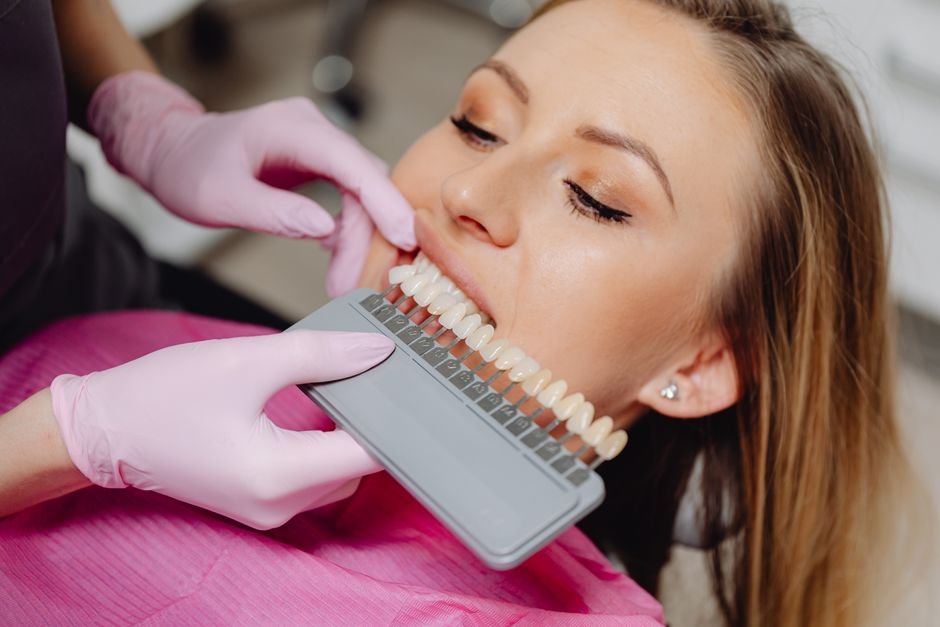
Yes, natural tooth colour and enamel translucency are influenced by inherited traits, which is why whitening results vary between individuals even with identical treatments. Enamel thickness and underlying dentine colour, both partly genetic, play a large role in how noticeably teeth lighten.
Are children of parents with crooked teeth guaranteed to have the same issue?
Not guaranteed, but the likelihood is higher. Jaw size and tooth size are inherited somewhat independently, so a child may inherit a mismatched combination from each parent, resulting in crowding or spacing issues, or may inherit a more balanced combination and avoid them altogether.
Disclaimer: This article is for informational purposes only and does not constitute medical or dental advice. Always consult a qualified dental professional before making any decisions about your oral health or treatment options.