
Dental implants preserve facial structure primarily by replacing the root of a missing tooth, which continues to stimulate the jawbone in roughly the same way a natural tooth root does, preventing the gradual bone loss that occurs when a tooth is missing and nothing replaces the root beneath the gum. This distinguishes implants from other …

Dental implants preserve facial structure primarily by replacing the root of a missing tooth, which continues to stimulate the jawbone in roughly the same way a natural tooth root does, preventing the gradual bone loss that occurs when a tooth is missing and nothing replaces the root beneath the gum. This distinguishes implants from other tooth replacement options, which restore the visible crown of a tooth but leave the underlying bone without the stimulation it needs to maintain its density and shape over time.
Key takeaways
- Jawbone requires ongoing stimulation from a tooth root to maintain its density and shape.
- A missing tooth without an implant allows the surrounding bone to gradually shrink, or resorb.
- Dental implants replace the root itself, which helps maintain natural bone stimulation.
- Bone loss from missing teeth can visibly change facial appearance over years.
- Other replacement options, like bridges or dentures, do not stimulate the underlying bone in the same way.
Why does the jawbone need a tooth root to stay healthy?
Bone throughout the body, including the jaw, remains healthy through a continuous cycle of remodelling, where old bone tissue is broken down and new bone is built in its place. This process is driven partly by mechanical stimulation, meaning the forces of chewing and biting transmitted through the tooth root into the surrounding bone. Without that regular stimulation, the body gradually reduces the amount of bone in that area, since it interprets the lack of use as a signal that the bone is no longer needed at its previous density.
This is the same underlying principle behind bone loss seen in other parts of the body during extended periods of inactivity. In the jaw specifically, the tooth root is the primary source of that stimulation, which is why its absence has such a direct and measurable effect on the bone that once supported it.
What happens to the jawbone after a tooth is lost?
Once a tooth is extracted or lost and nothing replaces the root, the bone in that area begins to resorb, meaning it gradually shrinks in both height and width. This process is often most rapid in the first year after tooth loss, though it continues at a slower pace indefinitely if the space is never restored with something that replaces root-level stimulation.
Over years, this bone loss can become substantial enough to change the shape of the jaw noticeably, which is part of why people who have lost multiple teeth without replacement sometimes experience a visibly sunken or collapsed appearance around the mouth and lower face. The change tends to be gradual enough that it is not always immediately obvious, but its cumulative effect over a decade or more can be considerable.
How exactly does an implant replicate what a natural root does?
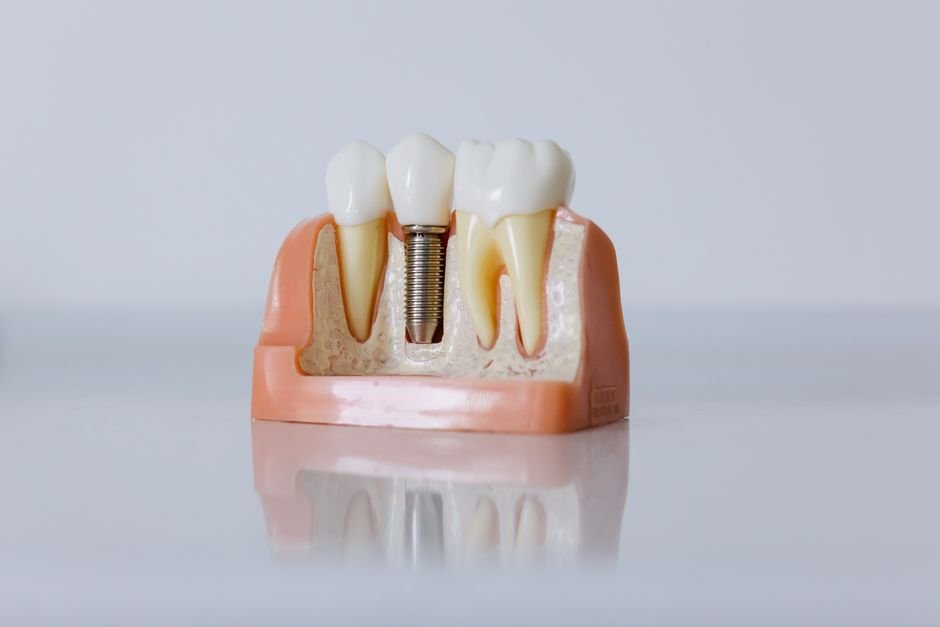
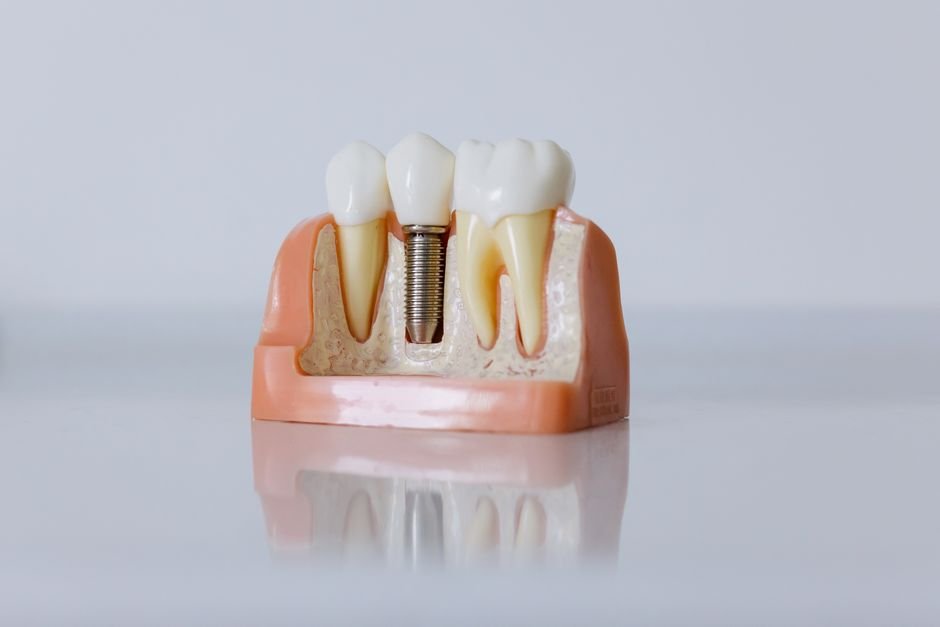
A dental implant is a small titanium or zirconia post surgically placed into the jawbone, where it undergoes a process called osseointegration, in which the surrounding bone fuses directly to the implant surface over a period of a few months. Once fully integrated, the implant functions mechanically very similarly to a natural tooth root, transmitting the forces of biting and chewing into the surrounding bone in much the same pattern a real root would.
This transmitted force is what keeps the bone remodelling cycle active in that area, effectively signalling to the body that the bone is still needed at its current density. This is the central mechanism behind why implants are widely considered the tooth replacement option most effective at preventing the long-term bone loss that follows tooth loss.
Why don’t bridges or dentures provide the same protection?
A dental bridge replaces the visible crown of a missing tooth by anchoring an artificial tooth to the neighbouring teeth, but nothing is placed into the bone itself where the missing root used to be. As a result, the bone beneath the bridge continues to lack the stimulation it needs and gradually resorbs over time, even though the smile above the gumline looks restored.
Dentures, whether partial or full, rest on top of the gum and bone rather than integrating with it, and can actually accelerate bone loss in some cases due to the pressure they place on the gum tissue during chewing, without providing the deeper stimulation a root would. This is one of the most significant practical differences between implants and these other options, even though all three can restore a functional and natural-looking bite in the short term.
How does jawbone loss affect facial appearance specifically?
The lower third of the face, including the lips, cheeks, and chin area, relies substantially on the underlying bone structure for its shape and support. As jawbone density decreases following tooth loss, the soft tissue that once had firm bony support beneath it can begin to sag or collapse inward, which is part of why extensive tooth loss is associated with a prematurely aged appearance in some people.
This effect becomes more pronounced with multiple missing teeth, particularly in the back of the mouth where bone loss is less visible day to day but still affects the overall support structure of the jaw and cheeks. Preserving bone through timely implant placement helps maintain the facial support these areas depend on.
Does the timing of implant placement matter for preserving bone?
Placing an implant sooner after tooth loss, when there is still adequate healthy bone present, generally produces the best outcome, since less resorption has occurred and the implant has more bone to integrate with. Waiting years after losing a tooth can mean enough bone has already been lost that a bone graft is needed before an implant can be placed successfully.
This does not mean an implant is impossible after significant bone loss, but it does mean the process becomes more involved, often requiring an additional bone grafting procedure and a longer overall treatment timeline. This is one of the practical reasons dental professionals often recommend considering implant placement relatively soon after a tooth is lost rather than delaying the decision for an extended period.
Can bone loss be reversed once it has already occurred?
Bone that has already resorbed does not spontaneously regenerate on its own, but bone grafting procedures can rebuild some of the lost volume using graft material that encourages new bone growth in the area. This added bone can then often support a dental implant, even in cases where significant resorption has already taken place before treatment began.
Grafting adds time and an additional surgical step to the treatment process, which is part of why earlier intervention tends to be simpler and more predictable than addressing significant bone loss after the fact. Still, it demonstrates that even after bone has been lost, restoring enough structure for a stable implant is often achievable with modern techniques.
How long does bone preservation from an implant actually last?
Once osseointegration is complete and the implant is functioning normally under regular biting forces, the bone-preserving effect is generally understood to be long-lasting, continuing for as long as the implant remains in place and functional, which for most well-maintained implants means decades. This is a meaningfully different outcome from bridges or dentures, where the underlying bone loss process continues regardless of how well the visible restoration is maintained.
Routine care, including good oral hygiene around the implant and regular dental checkups, helps ensure the implant continues functioning as intended and that any early signs of gum inflammation around it are caught and addressed before they affect the surrounding bone.
Does the number of missing teeth change how noticeable the effect is?
A single missing tooth left unreplaced tends to cause localised bone loss that is not always visible from the outside, particularly if it is a back tooth hidden from view during normal conversation or smiling. Multiple missing teeth, especially several in a row or on both sides of the jaw, produce a more widespread loss of bone support, which is far more likely to translate into a visible change in the shape of the cheeks, lips, or lower face.
This cumulative effect is one of the reasons replacing even a single missing back tooth is often recommended rather than leaving the gap unaddressed, since the goal is not just restoring the ability to chew evenly but also protecting the surrounding bone from the resorption process before it can spread or compound over time.
Frequently Asked Questions
Do all missing teeth need to be replaced with implants to prevent bone loss?
Not necessarily, but any tooth left unreplaced for an extended period will experience some degree of bone resorption in that area. Implants are simply the option best suited to preventing that specific outcome.
How soon after losing a tooth should an implant be considered?
There is no strict universal timeline, but sooner is generally better for bone preservation, since less resorption will have occurred and a bone graft is less likely to be needed.
Can a bridge be converted to an implant later if bone loss becomes noticeable?
Yes, though depending on how much bone has resorbed by that point, a bone grafting procedure may be needed first to create a stable enough foundation for the implant.
Does bone loss from missing teeth affect anything besides appearance?
Yes, significant bone loss can also affect the fit and stability of dentures over time and can make future implant placement more complex if it is not addressed earlier.
Is the bone-preserving benefit the same for implants placed anywhere in the mouth?
The underlying mechanism is the same throughout the jaw, though the practical visibility of bone loss can differ between the front of the mouth, where it affects appearance more directly, and the back, where it is less immediately noticeable.
Disclaimer: This article is for informational purposes only and does not constitute medical or dental advice. Always consult a qualified dental professional before making any decisions about your oral health or treatment options.