
Cosmetic dentistry is often misunderstood, with many people assuming it is purely about vanity, unnaturally perfect results, or procedures reserved only for those already close to a flawless smile. In reality, cosmetic dentistry covers a broad range of treatments designed to improve both the appearance and function of teeth, and many of the common assumptions …

Cosmetic dentistry is often misunderstood, with many people assuming it is purely about vanity, unnaturally perfect results, or procedures reserved only for those already close to a flawless smile. In reality, cosmetic dentistry covers a broad range of treatments designed to improve both the appearance and function of teeth, and many of the common assumptions surrounding it do not hold up once the details are properly understood.
Key takeaways
- Cosmetic dentistry often overlaps with functional and restorative goals.
- Results are not always dramatic; many treatments aim for subtle improvement.
- Cosmetic work is not limited to people with already healthy teeth.
- Modern techniques are designed to look natural, not artificially uniform.
- Longevity varies by treatment, and realistic expectations matter.
Is Cosmetic Dentistry Only About Appearance?
One of the most persistent misconceptions is that cosmetic dentistry has nothing to do with function, focusing purely on how teeth look. In practice, many cosmetic treatments address both appearance and function simultaneously. A cracked tooth repaired with bonding, for example, is restored both visually and structurally, improving how it looks while also protecting it from further damage.
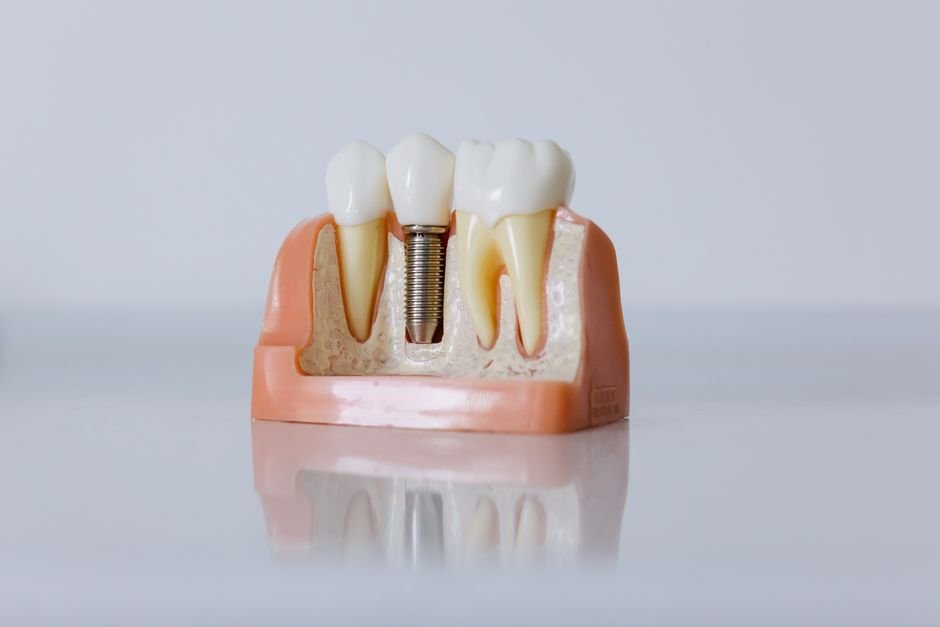
This overlap is actually quite common. Crowns, veneers and other cosmetic treatments frequently serve a dual purpose, strengthening a tooth that has been weakened while also improving its appearance. Viewing cosmetic dentistry as entirely separate from restorative or functional dentistry overlooks how frequently these goals are addressed together within a single treatment plan.
Do Cosmetic Results Always Look Artificial?
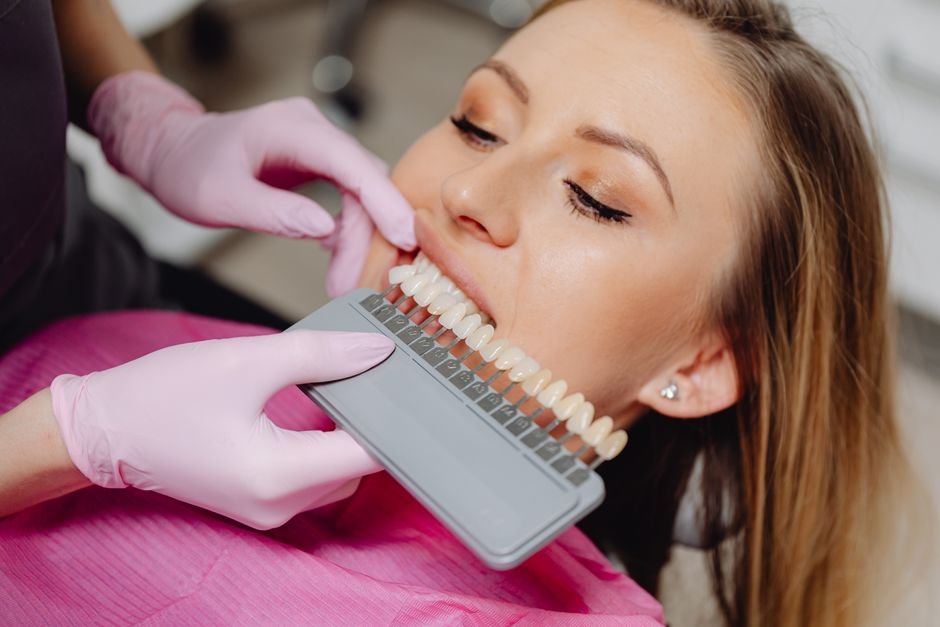
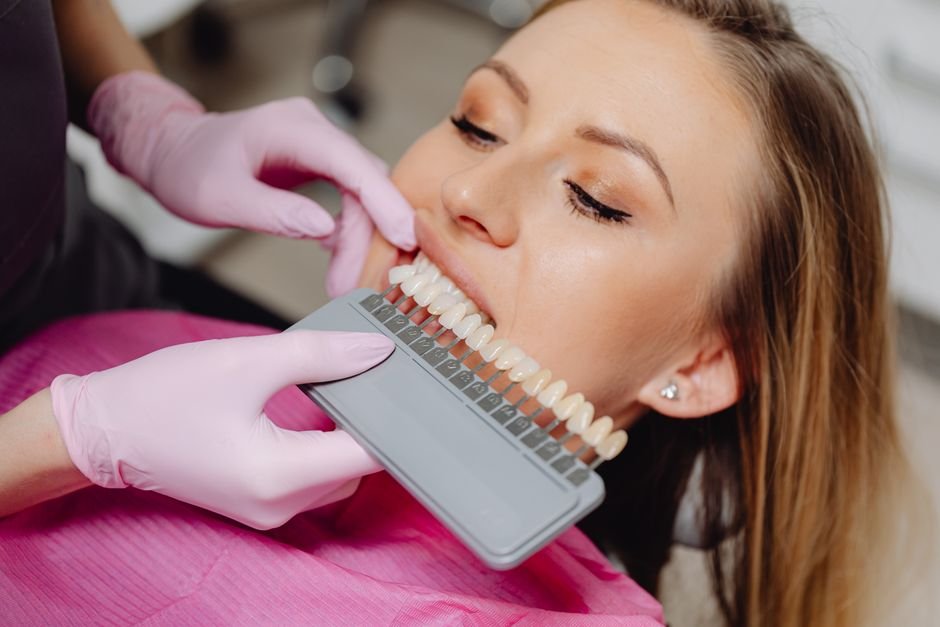
A common concern is that cosmetic dental work will look obviously artificial, too white, too uniform, or noticeably different from natural teeth. This impression often comes from outdated examples or particularly dramatic cases rather than typical, everyday results. Modern cosmetic techniques place significant emphasis on matching natural tooth shape, translucency and shade to surrounding teeth.
Subtlety is often the actual goal in most cosmetic cases, particularly for people seeking to correct a single chipped tooth or slightly discoloured area rather than transform their entire smile. When done thoughtfully, the best cosmetic work tends to be the kind that is not immediately obvious as having been done at all, blending naturally with the rest of the mouth.
Is Cosmetic Dentistry Only for People With Already Healthy Teeth?
Another misconception is that cosmetic dentistry is reserved for people who already have generally healthy, well-aligned teeth and simply want minor polish. In reality, cosmetic treatments are frequently used to address more significant concerns, including teeth affected by decay, wear, old restorations or structural damage, often as part of a broader treatment plan rather than a standalone cosmetic add-on.
People with more complex dental histories can often benefit the most from cosmetic approaches, since these treatments can meaningfully improve both function and confidence at the same time. Assuming cosmetic dentistry is only relevant for those with minimal existing issues overlooks a large portion of the people it is actually designed to help.
Are Cosmetic Treatments Always Permanent?
Permanence varies considerably depending on the specific treatment, and assuming all cosmetic work lasts indefinitely can lead to unrealistic expectations. Some treatments, such as certain bonding procedures, are designed with a more moderate lifespan in mind and may need touch-ups or replacement after a number of years. Others, like porcelain veneers, tend to be more durable but still are not permanent in an absolute sense.
Understanding the expected lifespan of a specific treatment before proceeding helps set realistic expectations and supports better long-term planning. A treatment that lasts a decade with proper care is still a meaningful, worthwhile investment, even if it is not permanent in the strictest sense of the word.
Does Cosmetic Dentistry Damage Natural Teeth?
There is a common worry that cosmetic procedures inevitably weaken or damage natural tooth structure. While some treatments do involve removing a small amount of enamel, such as preparing a tooth for a veneer, this process is carefully calculated and controlled, aiming to preserve as much healthy tooth structure as possible while achieving the desired result.
Other cosmetic treatments, like professional whitening or certain bonding techniques, involve no removal of tooth structure at all. The specific impact on natural teeth depends entirely on the treatment chosen, which is why a clear conversation about what a given procedure actually involves is far more useful than a general assumption that all cosmetic work is inherently invasive.
Is Cosmetic Dentistry Purely Elective and Never Necessary?
Cosmetic dentistry is sometimes framed as entirely optional, separate from anything considered necessary dental care. This framing misses how often cosmetic concerns intersect with genuine functional or psychological wellbeing. A severely discoloured or damaged front tooth, for instance, can affect a person’s confidence in ways that meaningfully impact daily life, even if the tooth itself is not causing pain.
While cosmetic treatments are indeed elective in the sense that they are chosen rather than urgently required for survival, dismissing them as unimportant overlooks their real impact on quality of life for many people. The line between purely cosmetic and genuinely beneficial is often less clear-cut than the term “elective” suggests.
Does Getting Cosmetic Work Done Require Extensive Downtime?
Many people assume cosmetic dental procedures involve lengthy recovery periods, similar to more invasive medical procedures. In reality, most cosmetic dental treatments involve minimal to no downtime. Whitening, bonding and even veneer placement typically allow a person to return to normal activities almost immediately, with only minor, short-lived sensitivity in some cases.
This is one of the more reassuring aspects of modern cosmetic dentistry for people who are hesitant about the time commitment involved. Compared to many other elective procedures, the combination of relatively quick appointments and minimal recovery time makes cosmetic dental treatment considerably more accessible for people balancing busy schedules.
Can Only Younger People Benefit From Cosmetic Dentistry?
There is a mistaken assumption that cosmetic dentistry is primarily suited to younger patients seeking a flawless appearance, while older patients have less to gain. In practice, age has little bearing on candidacy for most cosmetic procedures. Many cosmetic treatments are just as effective, and often just as commonly requested, among older adults addressing years of natural wear, staining or previous dental work.
Age-related changes, such as gradual yellowing or wear on the biting edges of teeth, are common reasons people across a wide age range pursue cosmetic treatment. The suitability of a given procedure depends far more on the condition of the teeth and gums than on a person’s age alone.
Is a Consultation Really Necessary Before Starting Treatment?
Some people assume that cosmetic treatments are straightforward enough to skip a thorough consultation, particularly for seemingly simple procedures like whitening. In reality, a consultation allows underlying issues, such as untreated decay or gum sensitivity, to be identified beforehand, which can significantly affect both the safety and the outcome of a cosmetic treatment.
A proper consultation also gives a dentist the opportunity to discuss realistic expectations, explain the likely results of a given treatment, and rule out options that may not be well suited to a particular mouth. Skipping this step in favour of a faster process can occasionally lead to disappointing or uneven results that a bit more planning could have avoided.
Does Cosmetic Dentistry Always Involve Multiple Teeth?
There is a tendency to picture cosmetic dentistry as a full smile transformation involving many teeth at once, when in fact a large proportion of cosmetic treatment addresses just one or two teeth. A single chipped front tooth, a slightly discoloured tooth from an old injury, or one tooth that has worn unevenly are all common, narrowly focused reasons people pursue cosmetic treatment.
Focusing on a single tooth can sometimes be more challenging from a technical standpoint, since it requires an especially precise match to the surrounding, untreated teeth. This is part of why skilled shade matching and attention to detail matter just as much, if not more, in smaller, targeted cosmetic cases as they do in larger ones.
Frequently Asked Questions
Is cosmetic dentistry the same as restorative dentistry?
They overlap significantly but are not identical. Cosmetic dentistry focuses on appearance, while restorative dentistry focuses on repairing function. Many treatments, such as crowns, accomplish both goals at the same time.
Will cosmetic dental work look obviously fake?
Not with modern techniques, which prioritise matching natural tooth colour, shape and translucency. Subtle, natural-looking results are generally the goal, particularly for smaller corrections.
Do cosmetic treatments always involve removing tooth enamel?
No. Some treatments, like whitening, involve no enamel removal at all, while others, like veneers, involve only a small, carefully controlled amount. It varies by procedure.
How long do cosmetic dental results typically last?
This depends heavily on the specific treatment. Some options last several years with proper care, while others may need touch-ups or replacement sooner. A dentist can provide realistic expectations for a specific procedure.
Is there an age limit for cosmetic dental treatments?
There is no strict age limit. Candidacy depends more on the health of the teeth and gums than on age, and many cosmetic treatments are commonly performed across a wide range of ages.
Disclaimer: This article is for informational purposes only and does not constitute medical or dental advice. Always consult a qualified dental professional before making any decisions about your oral health or treatment options.