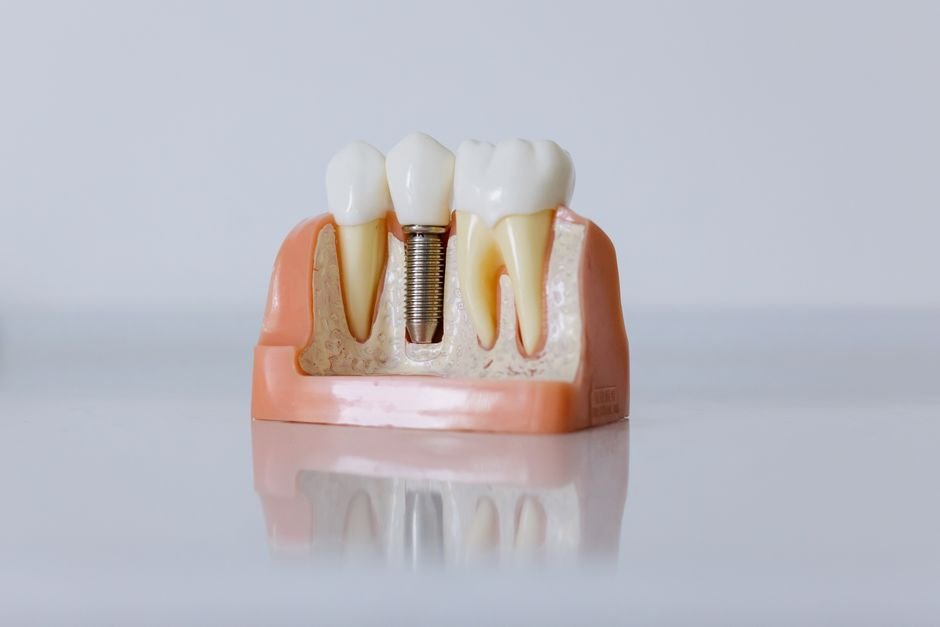

An implant supported bridge is a fixed row of replacement teeth held in place by dental implants rather than by your natural teeth. Typically, two or more implants are placed in the jawbone and a bridge of three or more artificial teeth is attached to them, filling a gap where several neighbouring teeth are missing. …
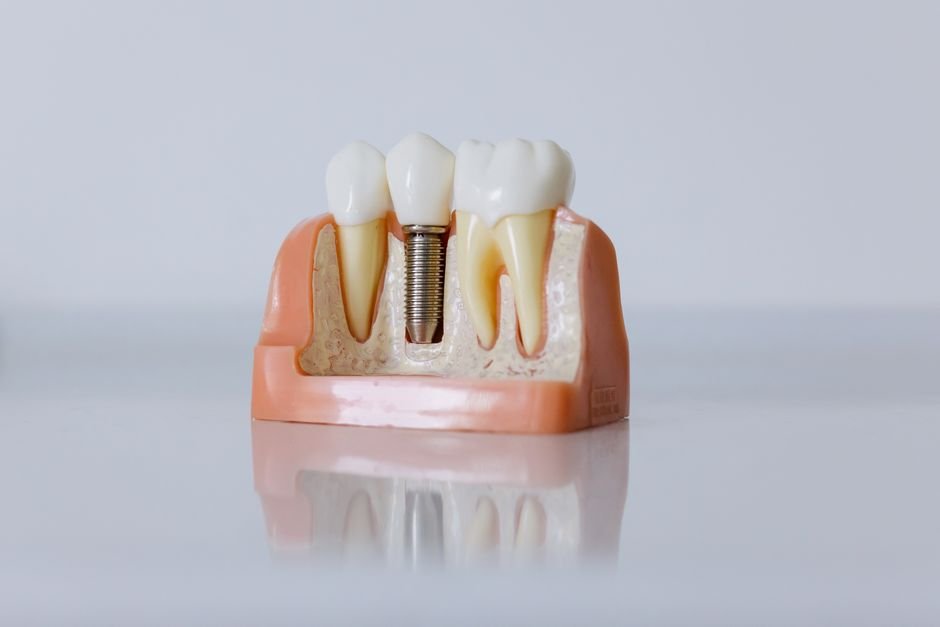

An implant supported bridge is a fixed row of replacement teeth held in place by dental implants rather than by your natural teeth. Typically, two or more implants are placed in the jawbone and a bridge of three or more artificial teeth is attached to them, filling a gap where several neighbouring teeth are missing. It cannot be removed at home and looks, feels and functions much like natural teeth.
Key takeaways
- An implant supported bridge replaces several missing teeth in a row using a small number of implants as anchors.
- Unlike a traditional bridge, it does not require healthy neighbouring teeth to be cut down.
- Implants stimulate the jawbone, helping to limit the bone shrinkage that follows tooth loss.
- Treatment usually takes several months because implants need time to fuse with the bone.
- With good home care and regular check-ups, implant bridges can last for many years.
What Exactly Is an Implant Supported Bridge?
A dental implant is a small titanium or ceramic post placed into the jawbone to act as an artificial tooth root. An implant supported bridge uses these posts as pillars. Instead of placing one implant for every missing tooth, the dentist places implants at strategic points, often at each end of the gap, and attaches a single connected restoration that spans the space. The teeth in the middle, called pontics, rest gently on the gum and are supported by the implant-anchored teeth on either side.
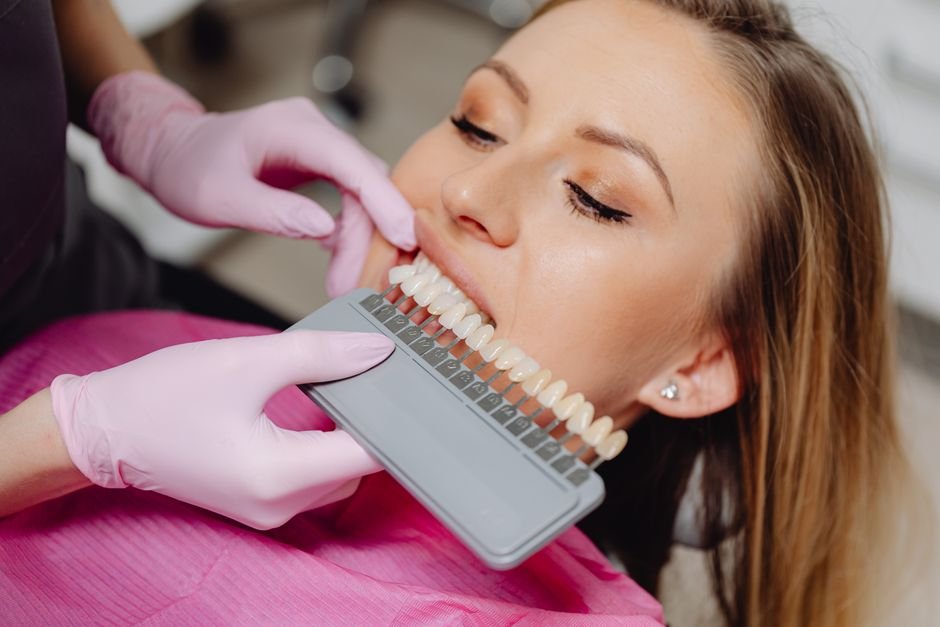
The bridge itself is usually made from porcelain, zirconia or porcelain fused to metal, chosen to match the colour and shape of your surrounding teeth. It is either screwed onto the implants or cemented onto connectors called abutments. Once fitted, it stays firmly in place and is only removed by the dental team, for example during a maintenance appointment. This makes it quite different from a removable partial denture, which sits on the gums and has to be taken out for cleaning.
Who Is a Good Candidate for an Implant Supported Bridge?
Implant bridges are most often recommended for people missing three or more adjacent teeth, whether through decay, gum disease, injury or failed earlier dental work. They are also useful where the neighbouring natural teeth are unsuitable or too weak to support a traditional bridge. Good candidates are generally in reasonable overall health, have healthy gums, and have enough jawbone in the right places to hold the implants securely.
Certain factors need careful assessment. Smoking slows healing and raises the risk of implant problems, so dentists usually advise stopping. Poorly controlled diabetes, some medications that affect bone, and a history of heavy teeth grinding may also influence planning. Active gum disease must be treated first. If bone has shrunk after tooth loss, a bone graft may be needed before implants can be placed. A thorough examination, including X-rays or a three-dimensional scan, helps the dentist decide whether an implant bridge is the right option for you.
How Does It Differ From a Traditional Bridge?
A traditional bridge relies on the natural teeth on either side of a gap. Those teeth are shaped and fitted with crowns, and the replacement tooth is attached between them. The approach works well, but it means drilling down healthy teeth that may have nothing wrong with them, and it places extra load on those teeth for as long as the bridge is in place. If one supporting tooth develops decay or fails, the whole bridge can be affected.
An implant supported bridge avoids this entirely because the implants carry the load. Neighbouring teeth are left untouched, which preserves their natural structure and long-term health. Implant bridges can also span longer gaps where there are no suitable natural teeth to anchor to. Another key difference is what happens beneath the gum: a traditional bridge sits above the bone and does nothing to stimulate it, whereas implants transmit chewing forces into the jaw, helping to maintain bone volume in the area.
Why Does Bone Preservation Matter?
When a tooth is lost, the bone that once surrounded its root no longer receives the stimulation it needs from chewing. Over time the body gradually reabsorbs that bone, so the ridge of the jaw becomes narrower and lower. This process is most noticeable in the first months after extraction but continues for years. Where several teeth are missing in a row, bone loss can be significant, affecting the support for neighbouring teeth and changing the contours of the face.
Because implants are fixed within the jawbone, they transfer biting forces into it much as natural roots do. This helps slow the loss of bone around the implant sites and supports the gum and facial tissues. Preserving bone also keeps future options open, making it easier to maintain or replace restorations later in life. While implants cannot entirely prevent all bone change beneath the pontics, they offer far better long-term support than options that simply sit on top of the gum.
What Does the Treatment Process Involve?
Treatment begins with planning. The dentist reviews your medical history, examines your mouth and takes detailed imaging to measure bone height, width and the position of nerves and sinuses. Digital scans or impressions help design the final bridge. If bone grafting is needed, it may be carried out first and allowed to heal. The implants are then placed in a minor surgical procedure, usually under local anaesthetic, with sedation available for anxious patients.
After placement, the implants need time to fuse with the surrounding bone, a process called osseointegration. This commonly takes a few months, during which a temporary bridge or denture can often be worn so you are not left with a visible gap. Once the implants are stable, abutments are attached and the final bridge is made and fitted. In some carefully selected cases, a temporary fixed bridge can be attached on the same day as implant placement, but healing time is still needed before the permanent bridge is fitted.
What Is Recovery Like After Implant Surgery?
Most people find recovery more manageable than they expected. Some swelling, tenderness and minor bruising are normal for a few days and usually respond well to over-the-counter pain relief and cold compresses applied to the cheek. Your dentist will advise a soft diet for a short period and ask you to avoid chewing directly on the surgical area. Gentle saltwater rinses or a prescribed mouthwash help keep the area clean while it heals.
Stitches, if used, are either dissolvable or removed after about a week to ten days. It is important to avoid smoking during healing, as it significantly increases the risk of complications. Contact your dental team if you notice increasing pain after the first few days, persistent bleeding, a raised temperature or swelling that worsens rather than improves. Most people return to normal activities within a day or two, although strenuous exercise may need to be avoided for a short time.
How Do You Care for an Implant Supported Bridge?
Implants cannot decay, but the gums and bone around them can become inflamed and infected if plaque is left to build up. This condition, called peri-implantitis, is the main threat to long-term success. Brush twice a day with a soft toothbrush and fluoride toothpaste, paying close attention to where the bridge meets the gum. Because the teeth are joined, normal floss cannot simply pass between them, so cleaning underneath the bridge requires special tools.
Super floss, floss threaders, interdental brushes and water flossers all help clean beneath the pontics and around each implant. Your hygienist will show you the best technique for your particular bridge. Regular check-ups allow the dentist to monitor the gums, check the bite and take occasional X-rays to assess bone levels. If you grind your teeth, a night guard may be recommended to protect both the bridge and the implants from excessive force.
How Long Does an Implant Supported Bridge Last?
The implants themselves can last for decades and often a lifetime when well cared for, because they are fused to the bone. The bridge attached to them may eventually need repair or replacement due to normal wear, chipping of the porcelain or changes in the bite over the years. Because many implant bridges are screw-retained, they can often be removed by the dentist for repair without disturbing the implants beneath.
Longevity depends heavily on habits. Good daily cleaning, attending regular hygiene appointments, not smoking, managing conditions such as diabetes and protecting the bridge from grinding all improve the outlook. Avoid using your teeth as tools or biting very hard objects such as ice. With sensible care, an implant supported bridge offers a stable, comfortable and natural-looking solution that can serve you well for many years.
Frequently Asked Questions
How many implants are needed for an implant supported bridge?
Most implant supported bridges use two implants to replace three or four missing teeth, with one implant at each end of the gap. Longer spans may need three or more implants. The exact number depends on the size of the gap, the bone available and the biting forces in that part of the mouth.
Is getting an implant supported bridge painful?
Implant placement is carried out under local anaesthetic, so the procedure itself should not be painful. Afterwards, mild soreness, swelling and tenderness are common for a few days and are usually well controlled with over-the-counter pain relief, cold compresses and a soft diet.
Can an implant supported bridge be removed at home?
No. An implant supported bridge is fixed in place, either screwed or cemented onto the implants, and can only be removed by a dental professional. This is one of its main advantages over a removable partial denture, which must be taken out daily for cleaning.
What if I do not have enough jawbone for implants?
If the jawbone has shrunk after tooth loss, a bone graft can often rebuild the area so implants can be placed securely. Depending on the location, a sinus lift or ridge augmentation may be recommended. Your dentist will assess bone volume using X-rays or a three-dimensional scan before planning treatment.
How do you clean under an implant supported bridge?
Cleaning beneath an implant supported bridge requires tools such as super floss, floss threaders, interdental brushes or a water flosser, because ordinary floss cannot pass between joined teeth. Daily cleaning under the bridge and around each implant helps prevent gum inflammation and protects the bone supporting the implants.
Disclaimer: This article is for informational purposes only and does not constitute medical or dental advice. Always consult a qualified dental professional before making any decisions about your oral health or treatment options.