
Same-day restorative treatments are dental repairs completed in a single visit rather than spread across two or more appointments. The best-known example is a same-day crown, where a digital scanner captures the tooth, software designs the restoration, and a milling machine cuts it from a ceramic block while you wait. Same-day fillings, inlays, onlays, and …

Same-day restorative treatments are dental repairs completed in a single visit rather than spread across two or more appointments. The best-known example is a same-day crown, where a digital scanner captures the tooth, software designs the restoration, and a milling machine cuts it from a ceramic block while you wait. Same-day fillings, inlays, onlays, and some bonding work follow a similar idea. The main advantages are fewer appointments, no temporary restoration, and only one round of anaesthetic. Not every tooth is suitable, so a dentist assesses whether the single-visit route is appropriate for your situation.
Key takeaways
- Same-day treatment uses digital scanning and in-practice milling to make a restoration in one visit.
- It removes the need for temporary crowns and a second appointment.
- Crowns, inlays, and onlays are the most common same-day restorations.
- Complex cases, certain bite problems, or aesthetic front teeth may still need a laboratory and two visits.
- Long-term success depends on the same care factors as any restoration.
What does a same-day restoration involve?
The appointment begins like any restorative visit. The dentist numbs the tooth, removes decay or old filling material, and shapes the remaining structure to receive the new restoration. Instead of taking a putty impression, they use a small handheld camera to scan the prepared tooth and the teeth around it, building a precise 3D model on screen within minutes.
Design software then generates the shape of the crown, inlay, or onlay, which the dentist checks and refines. The design is sent to a milling unit in the practice, which carves the restoration from a solid ceramic block. After a short firing or glazing step for strength and shine, the dentist checks the fit and bite, then bonds it in place. The whole process typically takes one to two hours.
Which treatments can be done in a single visit?
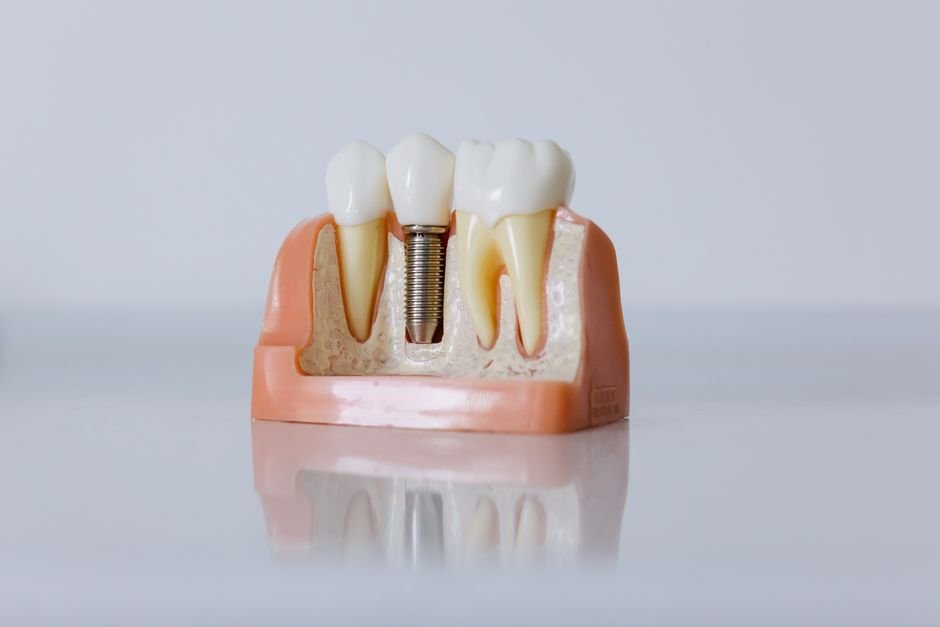
Crowns are the most common same-day restoration. They suit teeth that are heavily filled, cracked, or have had root canal treatment and need full coverage. Inlays and onlays, which are larger than a filling but smaller than a crown, are also well suited to the digital workflow because they are milled from the same ceramic blocks and bonded in one sitting.
Some direct composite bonding and repairs to existing crowns can be completed in one visit without any milling at all. Veneers are sometimes possible in a single appointment, though front-tooth aesthetics often benefit from laboratory craftsmanship and a try-in stage. Bridges, implant-supported restorations, and full-mouth rehabilitation usually still require multiple visits and laboratory involvement.
How does digital scanning compare with traditional impressions?
Traditional impressions use a tray filled with soft material that sets around the teeth. Many people find them uncomfortable, and they can trigger a gag reflex. The set impression is then poured into a model and posted to a laboratory. Any distortion in the material or model carries through to the final restoration.
A digital scan avoids the tray and the material entirely. The camera records the teeth directly as a stream of images, which the software stitches into an accurate model. The dentist can zoom in, check for missed areas, and rescan a small section if needed without starting again. For same-day treatment, the scan feeds straight into the design and milling steps, removing the postal delay and the temporary phase.
What are the main benefits for patients?
The most obvious benefit is time. One appointment replaces two, which means one trip to the practice, one lot of anaesthetic, and no second course of numbness to plan around. For people who travel for care, have demanding work schedules, or find dental visits stressful, halving the number of appointments is a genuine advantage.
There is also no temporary restoration. Temporaries can feel bulky, come loose, leak, or cause sensitivity in the days before the permanent crown is fitted. Skipping that stage means the tooth is sealed with its final restoration straight away. Because the ceramic is bonded rather than only cemented, the finished tooth is often strong and natural in appearance.
Are there any drawbacks to consider?
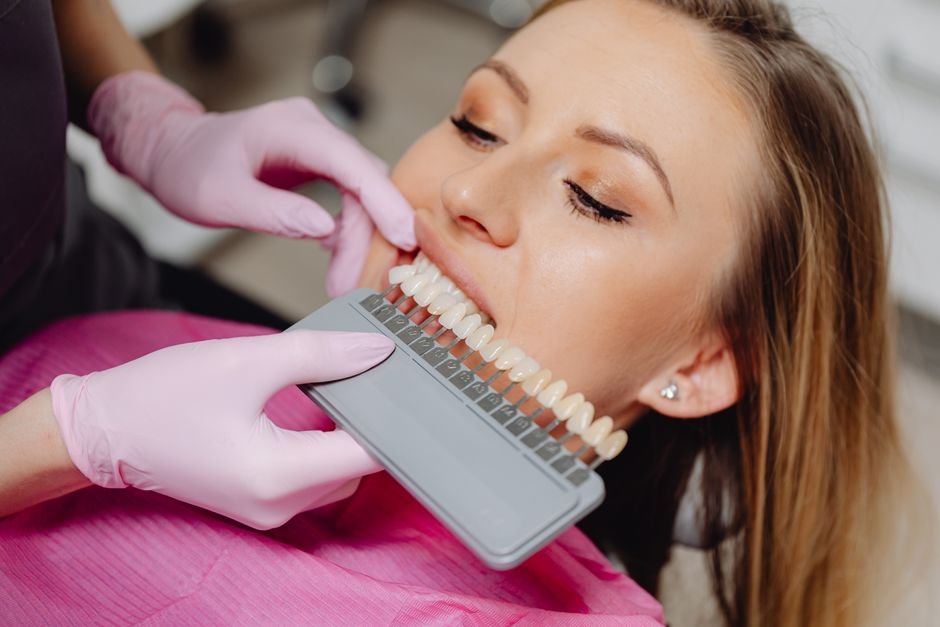
Same-day ceramics are strong and reliable for most back teeth, but a dental laboratory can layer and characterise porcelain in ways that are hard to match chairside, which matters most for front teeth where light reflection and subtle colour blending are visible. In those cases a two-visit approach with a laboratory may give a better aesthetic result.
The single appointment is also longer than a standard visit, so you need to allow one to two hours in the chair. Very complex cases, teeth with unclear margins below the gum, heavy grinding, or situations where the bite needs careful staged adjustment may not be good candidates. Your dentist will explain if they think the traditional route is safer for a particular tooth.
How long do same-day restorations last?
A well-fitted, well-bonded same-day crown or onlay can last many years, comparable to laboratory-made ceramic restorations. Longevity is governed less by how the restoration was made and more by how much healthy tooth supported it, your oral hygiene, your diet, and whether you grind your teeth. A tooth with generous sound structure and a patient with good habits is a strong combination.
Like any restoration, a same-day crown can chip, wear, or develop decay at its edges over time. Regular check-ups let your dentist spot early problems, and a night guard is often advised if you clench or grind. Cleaning thoroughly around the margin every day is the single most important thing you can do to help it last.
Does insurance or cost differ for same-day work?
The materials and clinical skill involved are similar to conventional restorations, so fees are usually in the same range. Some practices price digital crowns identically to laboratory crowns; others vary slightly in either direction. Because there is only one visit, you may save on time off work and travel, which is a real if indirect saving.
Coverage rules depend on your individual plan and provider, and vary from place to place, so it is worth asking the practice for a written estimate and checking what your plan contributes before treatment. The clinical recommendation should be based on what the tooth needs; the delivery method is a secondary decision that you and your dentist can discuss.
How do you know if you are a good candidate?
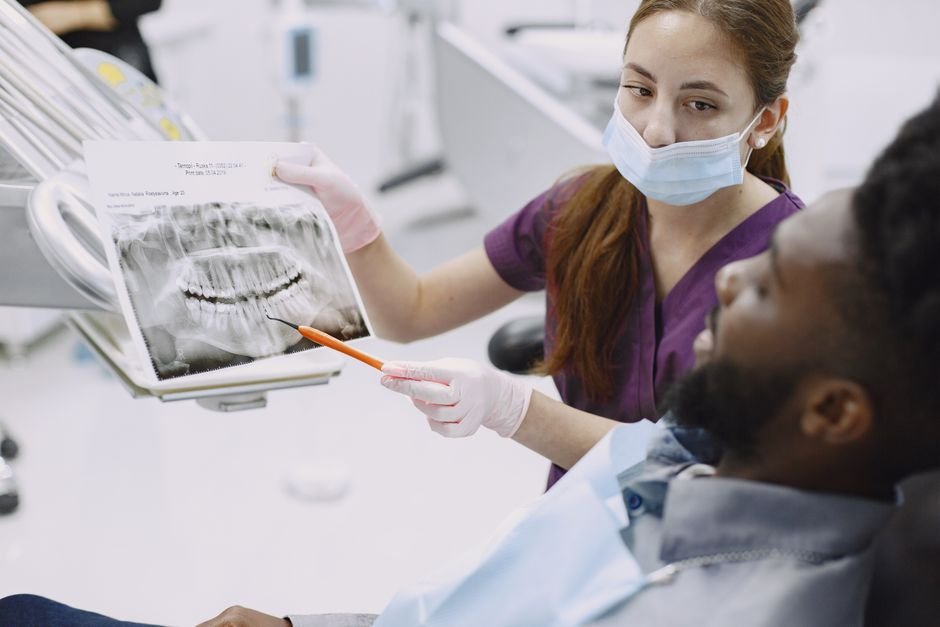
Your dentist assesses the tooth first: how much structure remains, whether the margins are accessible, the condition of the nerve, and how the tooth meets its opposing partner when you bite. They also consider whether the tooth is a visible front tooth with high aesthetic demands or a back tooth where function is the priority.
Practical factors matter too. Same-day treatment needs the practice to have the scanning and milling equipment and time in the schedule for a longer appointment. If you have a strong gag reflex, limited ability to keep your mouth open for extended periods, or significant dental anxiety, mention this so the visit can be planned with breaks. For many routine crowns and onlays, the single-visit option is straightforward and comfortable.
How should you care for a tooth straight after treatment?
Because the restoration is bonded at the visit, you can usually eat once the numbness has fully worn off, though it is sensible to start with softer foods and chew on the other side for the first day. Mild sensitivity to cold or pressure for a few days is normal, particularly if the tooth was deeply decayed, and it typically settles as the nerve calms down.
Clean the tooth normally from the next brushing, paying attention to the gumline where the restoration meets the tooth. Avoid biting directly into very hard items such as ice or boiled sweets, which can chip ceramic. Contact your dentist if the bite feels high after a day or two, if sensitivity worsens rather than improves, or if you notice a rough edge, as these are quick to adjust.
Frequently Asked Questions
Is a same-day crown as strong as a laboratory crown?
For back teeth, modern milled ceramics are strong and perform comparably to laboratory-made ceramic crowns. Strength depends mainly on how much healthy tooth remains, how well the crown is bonded, and whether you grind your teeth. For highly visible front teeth, a laboratory can sometimes achieve a better appearance, which is a separate consideration from strength.
Does the appointment take longer than a normal visit?
Yes. A same-day crown or onlay usually takes one to two hours because the preparation, scanning, design, milling, and bonding all happen in one sitting. You spend more time in the chair for that single visit, but you avoid a second appointment and the temporary phase in between.
Will I be numb the whole time?
The tooth is numbed at the start so preparation and fitting are comfortable. The numbness generally lasts through the appointment and wears off over the following hours. Because everything is done at once, you only need anaesthetic on that single day rather than twice.
Can any dentist do same-day restorations?
Only practices equipped with an intraoral scanner, design software, and a milling unit can offer true same-day crowns and onlays. Dentists who provide this service have training in the digital workflow. If your practice does not have the equipment, they may still offer digital impressions with laboratory fabrication over two visits.
What if the same-day restoration does not fit correctly?
The dentist checks the fit and bite before bonding and can adjust or, if necessary, redesign and re-mill the restoration during the same visit. Because the tooth is still prepared and scanned, correcting a problem is more straightforward than with a laboratory crown that would need to be sent back. Minor bite adjustments are also easy to make once it is fitted.
Disclaimer: This article is for informational purposes only and does not constitute medical or dental advice. Always consult a qualified dental professional before making any decisions about your oral health or treatment options.