
A single dental implant placement typically takes 45 minutes to an hour and a half in the chair, though the full journey from consultation to a finished crown usually spans three to eight months once healing time is included. The surgery itself is the shortest part of the process by far — most of the …

A single dental implant placement typically takes 45 minutes to an hour and a half in the chair, though the full journey from consultation to a finished crown usually spans three to eight months once healing time is included. The surgery itself is the shortest part of the process by far — most of the timeline is taken up by the bone fusing around the implant, a biological process that cannot be rushed regardless of how skilled the surgeon is. Understanding this distinction between “surgery time” and “treatment time” is the single biggest factor in setting realistic expectations before starting implant treatment.
Key takeaways
- The surgical placement of one implant usually takes under 90 minutes, but full treatment takes several months.
- Healing and osseointegration, not the surgery itself, account for most of the overall timeline.
- Multiple implants, bone grafting, or extractions performed at the same visit will extend appointment length.
- Recovery from the surgical appointment is typically a few days, while bone fusion takes months.
- Every timeline is individual and depends on bone quality, general health, and the complexity of the case.
What Happens During the Implant Placement Appointment?
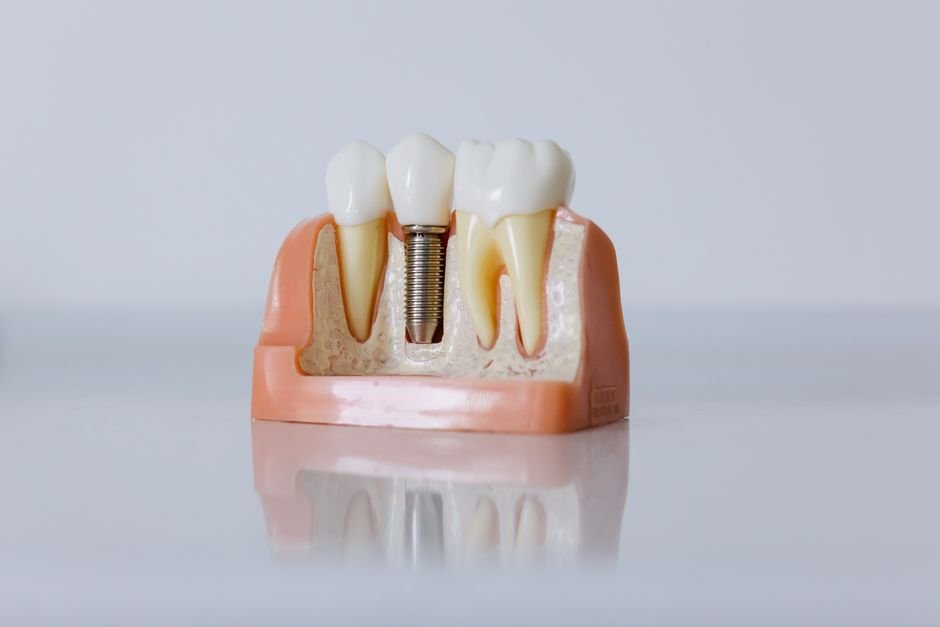
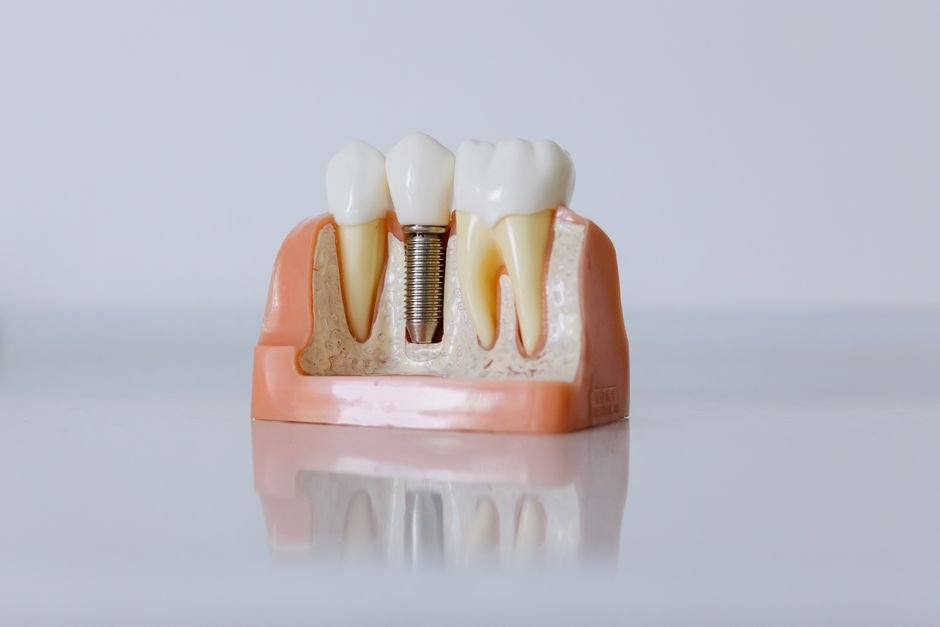
The appointment where the implant post is actually placed follows a fairly predictable sequence. After local anaesthetic has taken effect, the clinician creates a small opening in the gum tissue to access the underlying jawbone, then prepares a precise channel using a series of graduated drills. The titanium or ceramic implant post is then inserted into this channel at a carefully measured depth and angle. For a straightforward single-tooth case with adequate healthy bone, this entire sequence from anaesthetic to the final suture can be completed in well under an hour.
Once the implant is seated, the gum tissue is closed with sutures around either a healing cap or a cover screw, depending on the technique used. Patients are often surprised at how uneventful the appointment feels from their side of the chair, since local anaesthetic prevents pain during the procedure and the sensation is mostly one of pressure and vibration rather than discomfort. Most people are able to walk out of the clinic and go about a modified version of their normal day within an hour or two of finishing.
Why Does the Full Process Take Months, Not Days?
The extended timeline exists because an implant needs to physically fuse with living bone before it can safely support a crown, a process known as osseointegration. Bone is living tissue that remodels itself slowly, growing directly onto the implant surface over a period of roughly two to six months. This is a biological limit rather than a scheduling one, and no amount of additional appointments or advanced technology can meaningfully shorten how long bone needs to mature around a titanium surface. Attempting to load an implant with a crown too early risks micro-movement that can prevent proper fusion altogether.
Beyond osseointegration, the overall timeline also includes the initial consultation and imaging, any preparatory work such as extractions or bone grafting, a healing interval before placement if grafting was needed, the placement surgery itself, the healing period afterwards, and finally the fabrication and fitting of the crown or restoration. Each of these stages has its own minimum healing or preparation window, and they are sequential rather than simultaneous, which is why the process reads as slow even though no single step is particularly lengthy.
Does Bone Grafting Add Significant Time?
When a person has lost bone volume in the area of a missing tooth, which is common after teeth have been absent for a while, a bone graft is often needed before an implant can be placed securely. This graft material acts as a scaffold that encourages the body’s own bone cells to grow into the area over several months. Depending on how much bone needs to be rebuilt, this healing period can range from around three months for minor grafting to closer to nine months for more extensive reconstruction, and it happens entirely before the implant itself is placed.
In cases where only a small amount of grafting is required, some clinicians are able to place the graft material and the implant during the same appointment, which avoids adding a separate healing phase to the timeline. Larger grafts, however, generally need to heal and mature into stable bone on their own first. This is one of the main reasons implant timelines vary so widely between individuals — two people wanting the same single missing tooth replaced can have very different overall journeys depending on how much bone remains at the site.
Can Multiple Implants Be Placed in One Visit?
Yes, it is common and generally safe for several implants to be placed during a single surgical appointment, particularly when someone is replacing multiple missing teeth or having a full arch restored. Placing multiple implants at once naturally extends the length of the appointment, with a full arch case potentially taking two to four hours rather than under an hour for a single tooth. Surgeons plan these longer sessions carefully, sometimes staggering breaks for the patient and monitoring anaesthetic levels throughout.
Full-arch approaches that use four to six implants to support an entire row of replacement teeth are often planned so that a temporary set of teeth can be attached shortly after surgery, allowing the person to leave with functional teeth on the same day even though the implants themselves still need months to fully integrate before the permanent restoration is fitted. This immediate-function approach does not shorten the biological healing timeline, but it does mean the aesthetic and functional gap during recovery is far less noticeable than with a single missing tooth healing period.
What Does Recovery Look Like in the Days After Surgery?
The initial recovery period after implant placement is much shorter than the total treatment timeline and typically resolves within a week to ten days. Mild swelling, some tenderness around the surgical site, and minor bruising in the surrounding tissue are all normal in the first two to three days. Most people manage this comfortably with over-the-counter pain relief and find that any real discomfort has settled substantially by around day four or five, though everyone heals at a slightly different pace.
During this early window, a soft diet is usually recommended to avoid putting pressure on the surgical site, along with gentle oral hygiene that avoids direct brushing right over the healing area for the first few days. Strenuous exercise is generally best avoided for about a week since raised blood pressure can increase bleeding or swelling at the site. This short recovery phase is separate from osseointegration, which continues quietly underneath the gum for months after the visible healing has already finished.
How Is the Crown Timeline Different From the Implant Timeline?
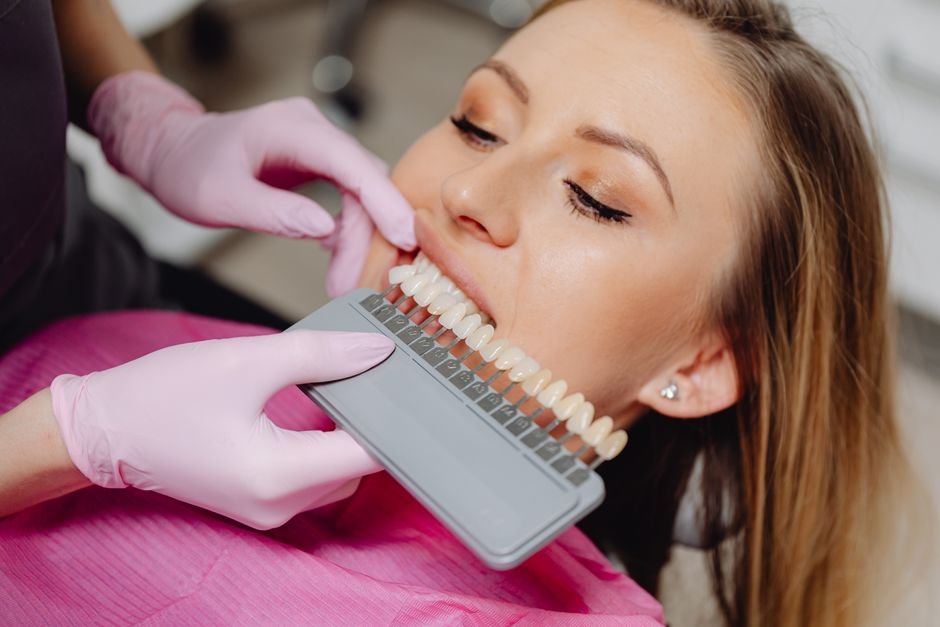
Once osseointegration is confirmed, typically through a follow-up appointment and sometimes imaging to check bone density around the implant, the process of creating the final crown begins. This stage involves taking an impression or digital scan of the healed implant site, which is sent to a dental laboratory to fabricate a custom crown that matches the shape, colour, and bite of the surrounding teeth. This fabrication process usually takes a further two to four weeks depending on the laboratory and the complexity of the restoration.
Some clinics offer same-day or next-day crown fabrication using in-house milling technology, which can shorten this final stage considerably, though this is not universally available and depends on the equipment a particular practice has. Once the crown is ready, it is fitted and adjusted for comfort and bite alignment during a relatively short appointment. This final fitting appointment is separate from and much quicker than the earlier surgical stages, generally taking well under an hour.
What Factors Cause Implant Timelines to Vary Between People?
Individual healing speed is one of the biggest variables, and factors such as general health, smoking status, and certain medical conditions can all influence how quickly bone integrates around an implant. People who smoke, for example, tend to experience slower healing and a somewhat higher risk of complications, which can extend the overall timeline. Similarly, conditions that affect blood flow or bone metabolism may require a more cautious, extended healing period to ensure the implant has fully stabilised before it takes on biting forces.
The location of the implant within the mouth also plays a role, since the upper and lower jaw have different bone densities and healing characteristics, with the lower jaw generally integrating somewhat faster than the upper jaw in many cases. The complexity of the individual case, including whether extractions, sinus lifts, or grafting were needed beforehand, further shapes how long the entire process takes. This is why an initial consultation with imaging is so important, as it allows a realistic, personalised timeline to be mapped out rather than relying on generic averages.
Is an Immediate Implant Placement Ever Possible After Extraction?
In select cases, an implant can be placed into the same site as a tooth extraction during one combined appointment, an approach known as immediate placement. This is only suitable when the extraction socket is healthy, free of infection, and has enough surrounding bone to stabilise the implant without additional grafting. When these conditions are met, immediate placement can reduce the overall treatment timeline by skipping the separate healing period that would otherwise be needed between extraction and implant surgery.
However, immediate placement is not appropriate for every situation, and clinicians will often recommend waiting for the extraction site to heal first if there are signs of infection, insufficient bone, or a thin gum tissue biotype that could compromise long-term stability. Choosing a delayed approach in these circumstances is not a setback but a deliberate decision to protect the long-term success of the implant, since a poorly integrated implant placed too early is far more likely to fail than one placed on a more conservative timeline.
Frequently Asked Questions
How long does a single implant surgery take in the chair?
Placing one implant typically takes between 45 minutes and an hour and a half, depending on the complexity of the site and whether any additional procedures are needed at the same visit. Straightforward cases with healthy, adequate bone tend to be on the shorter end of that range.
How long until an implant is fully healed and ready for a crown?
Osseointegration, the process of bone fusing to the implant, generally takes between two and six months depending on the location in the jaw and individual healing factors. The crown is only attached once this fusion has been confirmed as stable.
Is dental implant surgery painful?
The procedure itself is performed under local anaesthetic, so patients typically feel pressure rather than pain during placement. Mild soreness and swelling in the days afterwards is normal and usually manageable with standard pain relief.
Can bone grafting extend the overall implant timeline significantly?
Yes, when a bone graft is needed before implant placement, it typically requires an additional three to nine months of healing depending on how much bone needs to be rebuilt. This happens before the implant surgery itself takes place.
Do all implants need to heal for the same amount of time?
No, healing time varies based on factors such as bone density, the specific jaw location, overall health, and whether grafting was required. This is why timelines are personalised during consultation rather than fixed for every patient.
Disclaimer: This article is for informational purposes only and does not constitute medical or dental advice. Always consult a qualified dental professional before making any decisions about your oral health or treatment options.