
Severely worn teeth, whether from years of grinding, acid erosion, or simple long-term wear, can often be rebuilt and restored to full function through modern restorative dentistry. Treatment depends heavily on the extent and cause of the wear, ranging from conservative bonding for mild cases to crowns, veneers, or a full-mouth rehabilitation plan for more …
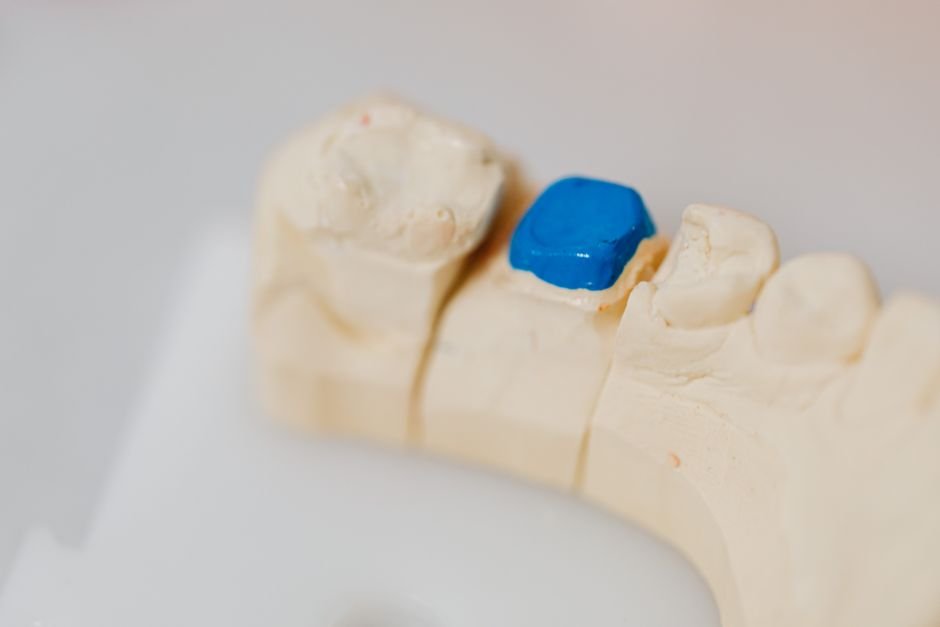

Severely worn teeth, whether from years of grinding, acid erosion, or simple long-term wear, can often be rebuilt and restored to full function through modern restorative dentistry. Treatment depends heavily on the extent and cause of the wear, ranging from conservative bonding for mild cases to crowns, veneers, or a full-mouth rehabilitation plan for more advanced wear.
Key takeaways
- Tooth wear commonly comes from grinding, acid erosion, or a combination of both.
- Treatment ranges from simple bonding to crowns, depending on how much tooth structure is lost.
- Severely worn teeth can affect bite alignment and overall jaw function if left untreated.
- Identifying and managing the underlying cause is essential to prevent further wear after treatment.
- A night guard is often recommended alongside restorative work for patients who grind their teeth.
What Actually Causes Teeth to Become Severely Worn?
Tooth wear generally falls into a few overlapping categories: mechanical wear from grinding or clenching, chemical erosion from acidic foods and drinks or acid reflux, and simple attrition from decades of normal chewing. Most people experiencing significant wear have some combination of these factors contributing simultaneously rather than a single isolated cause.
Grinding, medically known as bruxism, is one of the more aggressive contributors because it applies repetitive, forceful pressure directly onto the biting surfaces of teeth, often during sleep when a person has no conscious control over it. Acid erosion works differently, gradually softening and dissolving enamel through repeated chemical exposure, which then makes the softened surface more vulnerable to mechanical wear as well.
How Can You Tell if Tooth Wear Has Become Severe?
Mild wear is a normal part of ageing and often goes unnoticed, but severe wear typically presents with more obvious signs: noticeably shortened teeth, flattened biting edges, increased tooth sensitivity, and sometimes visible dentin exposure where the yellower inner layer of the tooth becomes visible through thinned enamel.
In more advanced cases, severe wear can also change how the upper and lower teeth meet, altering bite alignment and sometimes contributing to jaw discomfort or headaches. A dentist can assess the pattern and depth of wear during an examination, often using specific measurements and photographs to track how the wear has progressed compared to a person’s original tooth structure.
What Restorative Options Exist for Mild to Moderate Wear?
For less severe cases, where a meaningful amount of natural tooth structure remains, more conservative restorative options are often appropriate. Composite bonding, where a tooth-coloured resin material is applied and shaped directly onto the worn surface, can rebuild lost length and protect the underlying tooth without requiring significant removal of remaining healthy structure.
This approach tends to be less invasive and more cost-effective than more extensive restorations, making it a sensible starting point when wear is caught relatively early. Bonding does have a shorter overall lifespan compared to some other restorative options, so patients choosing this route are usually advised that some maintenance or eventual replacement should be expected over time.
When Do Crowns Become Necessary for Worn Teeth?
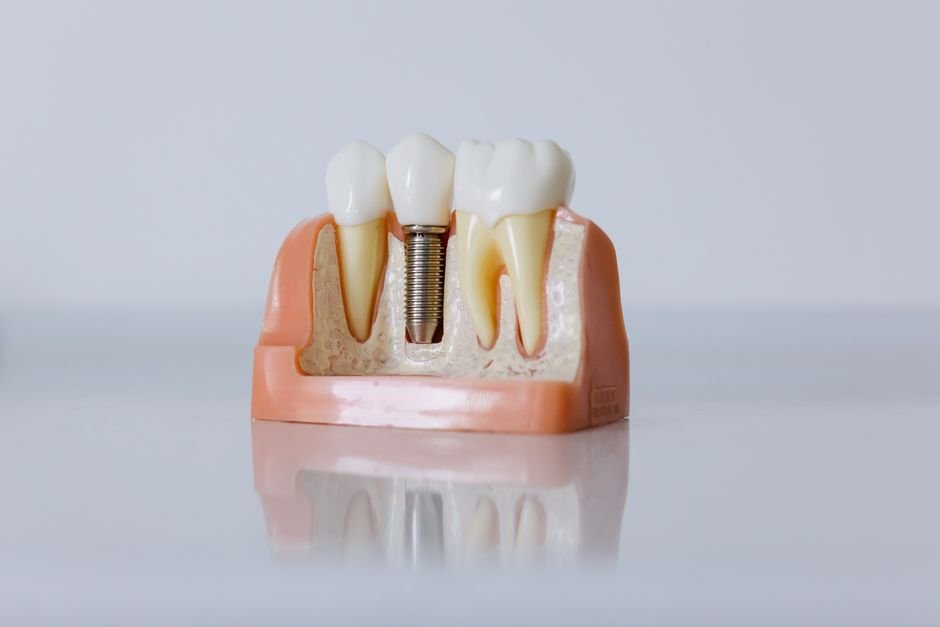
When wear has progressed to the point where a significant portion of the natural tooth structure has been lost, or where a tooth has become structurally weakened, crowns often become the more appropriate solution. A crown fully caps the visible portion of the tooth, restoring both its shape and its ability to withstand normal biting forces.
Crowns are particularly common for back teeth that bear heavy chewing loads and have experienced substantial wear, since these teeth need a restoration strong enough to handle ongoing functional stress. Depending on the extent of wear across the mouth, multiple crowns may sometimes be needed as part of a broader restorative plan rather than treating a single tooth in isolation.
Can Veneers Be Used for Worn Front Teeth?
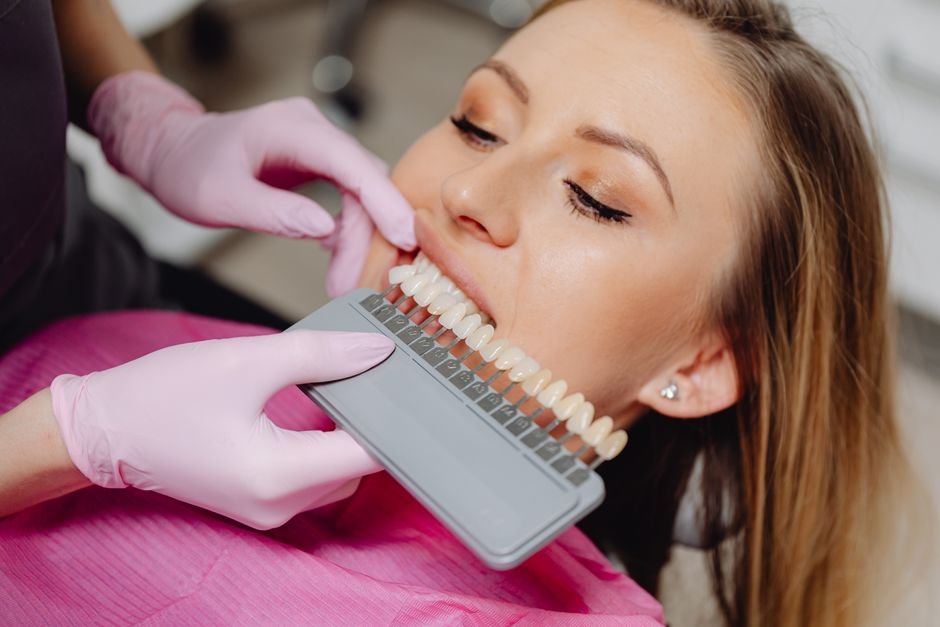
Veneers are frequently used to restore front teeth that have experienced wear, particularly where the visible edges have become thin, chipped, or noticeably shortened. Because veneers are bonded to the front surface of the tooth, they can rebuild length and improve appearance while requiring comparatively conservative preparation of the underlying tooth.
Veneers work best when the wear is primarily cosmetic and the tooth retains adequate underlying structure and strength. For front teeth experiencing wear alongside functional bite issues, a dentist may recommend combining veneers with other treatment to ensure the restoration can handle both appearance and functional demands appropriately.
What Does Full-Mouth Rehabilitation Involve for Severe Wear?
In cases where wear is extensive across most or all of the teeth, often from long-term untreated grinding or significant acid erosion, a more comprehensive full-mouth rehabilitation approach may be recommended. This typically involves restoring multiple teeth simultaneously using a combination of crowns, veneers, and sometimes bite adjustment to rebuild a functional, properly aligned bite.
This type of treatment is planned carefully, often using detailed impressions, photographs, and sometimes a trial restoration to test the proposed bite before committing to permanent restorations. While more involved than treating a single tooth, full-mouth rehabilitation addresses the underlying pattern of wear comprehensively rather than restoring teeth individually and risking uneven results.
Why Does Managing the Underlying Cause Matter So Much?
Restoring worn teeth without addressing what caused the wear in the first place significantly increases the risk that new restorations will simply wear down again over time. This is particularly true for grinding-related wear, where the same repetitive forces that damaged the natural teeth will act just as forcefully on new crowns, veneers, or bonding.
This is why a thorough evaluation of the underlying cause, whether that is nighttime grinding, acid reflux, dietary acid exposure, or a combination of factors, is typically part of any serious restorative treatment plan. Addressing the cause protects the significant investment being made in rebuilding the teeth and helps ensure the results last as long as possible.
How Does a Night Guard Support Restorative Treatment?
For patients whose wear is driven by grinding or clenching, a custom-fitted night guard is one of the most commonly recommended tools to protect both natural teeth and any new restorations going forward. Worn during sleep, it creates a physical barrier that absorbs and redistributes the forces generated during grinding episodes.
Custom night guards, made specifically to fit an individual’s bite, tend to be far more effective and comfortable than generic over-the-counter versions. Many dentists will recommend a night guard as a standard companion to restorative work for grinding-related wear, viewing it as an essential part of protecting the longevity of the new restorations rather than an optional extra.
How Long Do Restorations for Worn Teeth Typically Last?
Longevity varies considerably depending on the type of restoration, the severity of the original wear, and how well any underlying cause has been managed afterward. Composite bonding tends to have a shorter lifespan, often needing touch-ups or replacement after several years, while crowns and veneers, properly cared for, can often last considerably longer.
Consistent oral hygiene, regular dental checkups, and diligent use of a night guard where recommended all play a meaningful role in maximising how long restorative work continues to function well. Patients who follow through on this ongoing care tend to see significantly better long-term outcomes than those who treat the initial restoration as the end of the process.
Frequently Asked Questions
Can severely worn teeth be restored without crowns?
In some cases, yes, particularly when a reasonable amount of natural tooth structure remains and composite bonding or veneers can adequately rebuild shape and function. More severe wear, however, often requires the added strength that a crown provides.
Is tooth wear always caused by grinding?
No, tooth wear can also result from acid erosion caused by diet or acid reflux, or from simple long-term mechanical wear. Many people experience a combination of these causes rather than grinding alone.
Will I need a night guard after getting restorative treatment?
If grinding or clenching contributed to the original wear, a custom night guard is commonly recommended to protect the new restorations from the same forces that damaged the natural teeth previously.
How do I know if my tooth wear is severe enough to need treatment?
Signs such as noticeable tooth shortening, increased sensitivity, visible dentin exposure, or changes in how your bite feels are worth having assessed by a dentist, who can determine the extent of wear and appropriate treatment.
Does full-mouth rehabilitation happen all in one appointment?
No, full-mouth rehabilitation is typically planned and carried out across multiple appointments, allowing careful assessment, trial fitting, and adjustment to ensure the final bite and restorations function correctly together.
Disclaimer: This article is for informational purposes only and does not constitute medical or dental advice. Always consult a qualified dental professional before making any decisions about your oral health or treatment options.