
Old fillings, crowns, and bridges do not last forever, and the clearest signs that restorative dental work needs replacing are new sensitivity around the tooth, visible cracks or rough edges, a restoration that feels loose or has changed shape, discolouration at the margin where it meets the tooth, or a dull ache when biting down. …

Old fillings, crowns, and bridges do not last forever, and the clearest signs that restorative dental work needs replacing are new sensitivity around the tooth, visible cracks or rough edges, a restoration that feels loose or has changed shape, discolouration at the margin where it meets the tooth, or a dull ache when biting down. None of these signs are dramatic alone, but together they suggest the seal between the restoration and the natural tooth has broken down, allowing bacteria and moisture to reach vulnerable tissue underneath. Catching these changes early, whilst the restoration is still just ageing rather than failing outright, usually means a simpler, less invasive fix.
Key takeaways
- New sensitivity, sharp edges, or a change in shape around old dental work are early warning signs worth having checked.
- Restorations fail gradually as materials wear, shrink, or lose their seal against the tooth, not usually all at once.
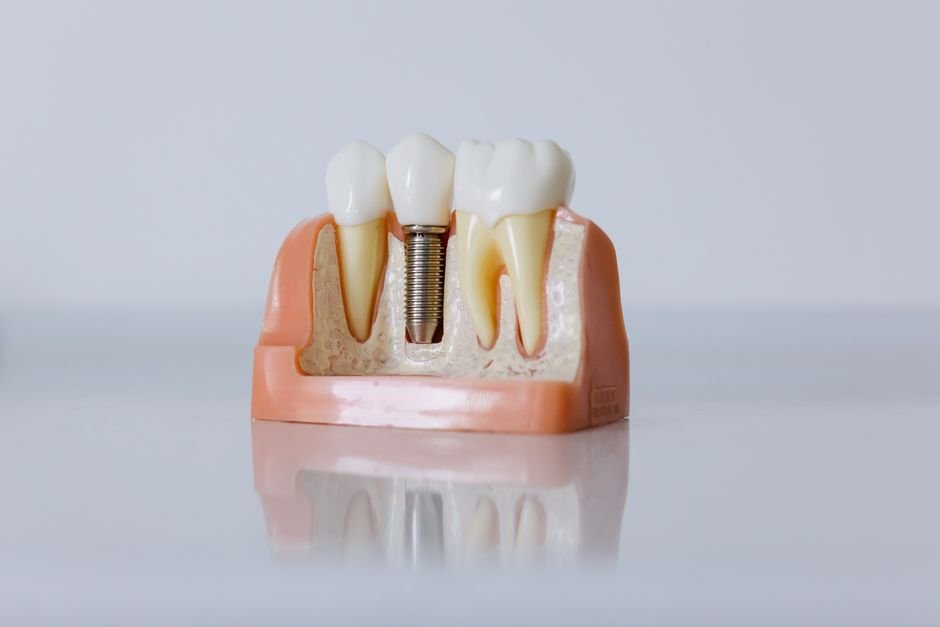
- Decay can develop underneath a crown or filling without being visible from the outside.
- A loose, rocking, or ill-fitting restoration should be assessed promptly to avoid further damage to the tooth underneath.
- Routine dental check-ups are the most reliable way to catch failing restorations before they cause pain or infection.
How Long Does Dental Work Really Last?
Every restoration has a typical working life, depending on the material used, its size and location, and how well the surrounding tooth is cared for. Fillings in a back molar that absorbs heavy chewing forces tend to wear out sooner than a small filling on a front tooth. Crowns and bridges generally last longer, but they are not permanent. Over time, the cement holding a restoration in place can weaken, and the material can flex or wear down with repeated use.
Rather than fixating on an exact number of years, it helps to think of restorations as having a predictable pattern of gradual change. Materials that once fit snugly against the tooth slowly develop microscopic gaps at the margins, which widen with time and exposure to acids from food and drink. This explains why a restoration that felt fine for a long stretch can suddenly start giving trouble, and why periodic review matters even when nothing seems obviously wrong.
Is Tooth Sensitivity a Warning Sign?
A sudden return of sensitivity to hot, cold, or sweet foods around a previously treated tooth is one of the most common early signals that a restoration is beginning to fail. A filling or crown should create a tight seal that keeps temperature changes and irritants away from the sensitive inner layers of the tooth. If that seal breaks down, these stimuli reach the nerve more easily, producing a sharp twinge or lingering ache, often the first thing a patient notices, well before any visible damage appears.
Sensitivity can also arise from gum recession exposing the root surface near an old restoration, or from a hairline crack not yet visible to the eye. Several different problems can cause similar symptoms, so sensitivity alone does not confirm exactly what is wrong, but it is a reliable cue that something has changed and deserves attention. Ignoring persistent sensitivity risks allowing a small issue to progress into a more significant problem within the tooth.
What Does a Cracked or Chipped Filling Look Like?
Visible damage is one of the more obvious signs a filling needs attention, though it is not always easy to spot without good lighting or a dental examination. A cracked filling may show a fine line across its surface, a small chip missing from one edge, or a rough patch that catches the tongue. Metal fillings can develop a darker, duller appearance where the surface has begun to corrode or separate from the tooth around it.
Tooth-coloured fillings are trickier to assess visually since the material is designed to blend in, but a change in texture, a visible gap at the edge, or a dark line around the border are worth noting. Running a fingernail or the tongue gently along the edge of an old filling can sometimes reveal a rough margin not obvious just by looking. Any of these findings warrant a professional check, since a cracked filling can allow bacteria to reach the tooth beneath it even when the crack looks minor.
Can You Get Decay Underneath an Old Crown?
Yes, and this is one of the more deceptive ways dental work can fail, because the crown may look intact whilst decay quietly develops on the tooth structure hidden beneath it. If the cement layer breaks down, or bacteria find a way in through a tiny gap at the margin, decay can spread underneath without ever becoming visible on the crown’s exterior. This is sometimes called recurrent decay, and it can progress for some time before producing symptoms.
Warning signs include a persistent bad taste, mild discomfort when chewing, sensitivity to sweet foods, or a lingering odour. Because the crown masks the tooth underneath, x-rays are often the only reliable way to detect this hidden decay, which is why regular dental reviews remain important even for teeth that already have a crown.
Why Do Silver Fillings Turn Dark or Change Shape?
Older metal fillings, commonly a silver-coloured amalgam material, undergo gradual changes as they age. Repeated expansion and contraction from hot and cold foods, combined with the natural flexing of the tooth during chewing, can cause these fillings to crack, corrode at the edges, or expand marginally over time, occasionally stressing the tooth enough to cause small cracks in it.
A darkening appearance is not automatically a sign of failure, since some surface staining is normal, but a filling that has visibly grown, roughened, or created a dark line extending into the tooth is different. That kind of staining often indicates bacteria have found a pathway underneath the filling, allowing decay to develop out of sight. A dental professional can distinguish harmless surface changes from early decay with a close examination and, when needed, an x-ray.
How Do You Know if a Crown or Bridge Has Become Loose?
A crown or bridge that has started to loosen often gives subtle clues before it becomes obviously wobbly. It might feel slightly different when biting down, or produce a faint clicking sensation when chewing. Some people notice a small gap or ledge forming at the gum line where the restoration meets the tooth, which can trap food and cause recurring irritation or an unpleasant taste.
If a crown or bridge genuinely rocks when pressed with a finger or the tongue, the cement bond has substantially failed and it needs prompt professional attention. Left unaddressed, a loose restoration allows bacteria-laden saliva to seep underneath it repeatedly, accelerating decay on the supporting tooth. In a bridge, a loose connector can also stress the abutment teeth holding it in place. Prompt assessment usually allows re-cementing rather than a full replacement.
Does Gum Recession Affect Old Fillings and Crowns?
Gum tissue naturally shifts over time, and in many people it gradually recedes, exposing more of the tooth root than was visible when a filling or crown was placed. A restoration that once sat at or below the gum line can end up with its edge exposed above the gum as recession progresses. That exposed margin is more vulnerable to wear, staining, and bacterial build-up than the smooth enamel it was designed to blend into.
Exposed margins can also create a step or ledge that is harder to keep clean with normal brushing, making that area more prone to plaque build-up and decay. Root surfaces exposed by recession are also softer than enamel and more susceptible to wear from a filling’s edge rubbing against them. Where recession has significantly changed the relationship between an old restoration and the gum line, a dentist may recommend recontouring it to fit the tooth and gum comfortably.
How Do Bite Changes Signal Failing Restorations?
The way the upper and lower teeth meet can shift gradually over the years, whether from tooth wear, minor tooth movement, grinding habits, or the loss of a nearby tooth that changes how chewing forces are distributed. An old filling or crown shaped to match the original bite may end up carrying more pressure than intended, or meeting the opposing tooth at a slightly different angle, and this uneven loading can accelerate wear and increase the likelihood of cracking.
Signs that a bite change is affecting an old restoration include a tooth that touches first when closing the mouth, new soreness in the jaw muscles, or a restoration wearing faster than the natural teeth around it. A dental professional can check the bite and adjust or replace the restoration so chewing forces are shared evenly again, reducing strain on both the dental work and the surrounding teeth.
What Happens if Failing Dental Work Is Left Untreated?
Postponing attention to a restoration showing signs of wear rarely makes the problem go away, and in most cases it slowly worsens. A small gap at the edge of a filling can widen into a larger cavity, a hairline crack can extend deeper into the tooth, and a loosening crown can eventually detach, sometimes at an inconvenient moment while eating. A straightforward repair early on can turn into a more involved procedure once decay has spread further.
Beyond the tooth itself, ignoring early signs can affect the surrounding gum tissue, which may become irritated by trapped food and bacteria around a failing restoration. In more advanced cases, untreated decay beneath an old filling or crown can progress toward the nerve, leading to more discomfort and more extensive treatment than would have been necessary if addressed early. Regular check-ups remain the simplest way to catch these changes while manageable.
Frequently Asked Questions
How often should old fillings and crowns be checked?
Most dental professionals recommend a routine check-up roughly every six to twelve months, during which existing restorations are visually examined and periodically reviewed with x-rays. This allows small changes, such as a developing gap at the margin or early staining, to be identified before they progress into a more significant problem requiring extensive treatment.
Can a filling fail without causing any pain?
Yes, it is entirely possible for a filling to develop a crack, a gap, or underlying decay without producing noticeable pain, especially in the early stages. Nerve involvement often only occurs once damage has progressed significantly, so relying on pain alone can allow problems to advance considerably before they are noticed, which is why visual and x-ray checks during routine appointments remain important.
Is it normal for old dental work to change colour over time?
Some gradual colour change is a normal part of ageing for restorative materials, particularly with exposure to certain foods, drinks, and everyday wear. However, a distinct dark line around the edge of a filling or crown, rather than a general surface change, often points to a breakdown in the seal between the restoration and the tooth, and should be assessed by a dental professional rather than assumed purely cosmetic.
Does a crown that looks fine on the outside still need checking?
Yes. A crown can appear completely intact on the surface while decay develops on the tooth structure hidden underneath it, since the crown does not reveal what is happening beneath it. X-rays are typically needed to assess the health of the tooth under a crown, which is why periodic professional review remains necessary even when a crown shows no outward signs of trouble.
What is the difference between repairing and fully replacing old dental work?
A repair typically addresses a localised issue, such as smoothing a small chip or re-cementing a crown that has come loose but is otherwise sound, and can often be completed quickly. Full replacement becomes necessary when the restoration has extensive cracking, significant decay underneath it, or the material has deteriorated to the point where it can no longer seal reliably against the tooth. A dental professional determines the appropriate approach after examining the extent of the damage.
Disclaimer: This article is for informational purposes only and does not constitute medical or dental advice. Always consult a qualified dental professional before making any decisions about your oral health or treatment options.