
Retainers keep teeth from drifting back out of alignment after braces or clear aligners are removed. Teeth are held in the jawbone by elastic ligaments that need time to settle into their new positions, and until that happens, the teeth can shift back towards where they started. Wearing a retainer exactly as instructed is what …

Retainers keep teeth from drifting back out of alignment after braces or clear aligners are removed. Teeth are held in the jawbone by elastic ligaments that need time to settle into their new positions, and until that happens, the teeth can shift back towards where they started. Wearing a retainer exactly as instructed is what locks in the results of orthodontic treatment, which is why dentists and orthodontists consider it a non-negotiable final step rather than an optional extra.
Key takeaways
- Teeth naturally drift throughout life, and orthodontic treatment does not permanently anchor them without retainer support.
- Retainers come in removable and fixed forms, each with different care routines and lifespans.
- Skipping retainer wear, even briefly, can allow noticeable relapse within a matter of weeks.
- Consistent cleaning and careful handling help a retainer last for years rather than months.
- Any changes in fit, comfort or bite should be checked promptly rather than left unaddressed.
Why Do Teeth Move After Braces or Aligners Are Removed?
Teeth sit in sockets surrounded by a network of elastic fibres called the periodontal ligament, which acts a little like a suspension system. During orthodontic treatment, gentle sustained pressure gradually remodels the bone and ligament so teeth can move into a new, straighter arrangement. Once braces come off or aligner trays finish, that surrounding tissue is still soft and adaptable, not yet fully reorganised around the new positions. This means the same forces that made straightening possible can just as easily allow teeth to creep back if nothing is holding them in place.
There are also everyday pressures working against a newly straightened smile. Chewing, swallowing, and the resting position of the tongue and lips all exert small forces on teeth continuously. Natural ageing changes to the jaw and gradual shifts in bone density add another layer of movement over time, which is why even people who never had orthodontic treatment see their teeth change shape and spacing over the decades. A retainer counteracts these ongoing pressures by providing steady resistance while the supporting tissues stabilise.
What Types of Retainers Are Available?
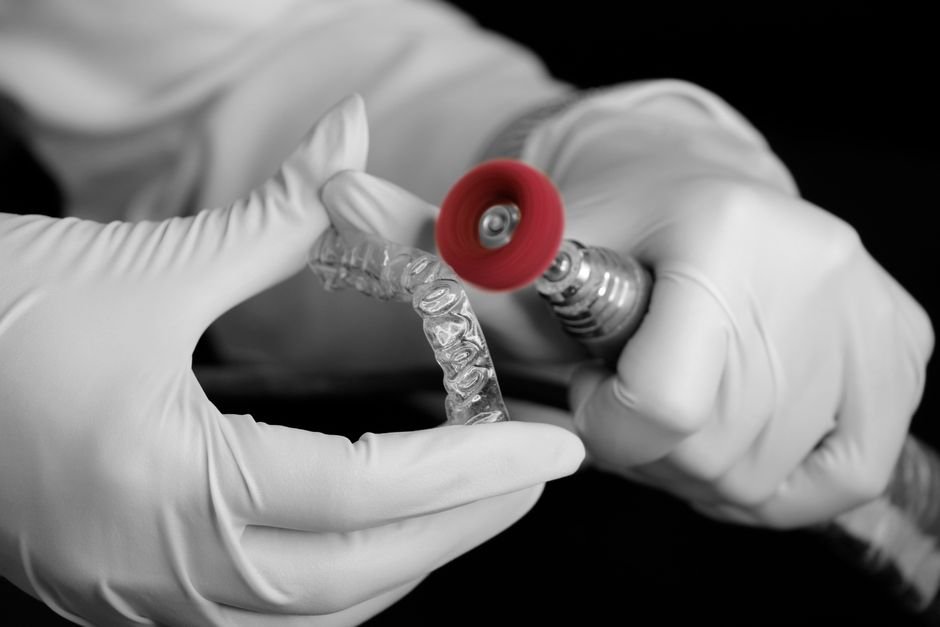
The most common removable option is a clear plastic retainer, moulded to fit snugly over the entire arch of teeth, similar in appearance to a clear aligner tray. These are popular because they are nearly invisible, comfortable to wear, and simple to take out for eating and cleaning. A traditional alternative is the wire-and-acrylic retainer, which uses a thin metal wire across the front of the teeth held by an acrylic plate that sits against the roof of the mouth or along the inside of the lower arch. Both styles are custom-made from an impression or digital scan so they fit one person’s teeth precisely.
Fixed retainers work differently: a thin wire is bonded directly to the back surface of several front teeth and stays in place permanently unless a dentist removes it. Because there is nothing to forget to put in, fixed retainers are especially good at preventing relapse in the lower front teeth, which tend to shift the most. Many people are given a combination approach, wearing a removable retainer on one arch while a fixed wire supports the other, tailored to how much movement occurred during treatment and how prone that particular arch is to relapse.
How Long Do You Need to Wear a Retainer?
Retainer wear typically follows a tapering schedule rather than stopping abruptly. In the first few months after treatment, full-time wear is usually recommended, removing the retainer only to eat, drink anything other than water, and clean the teeth. This period allows the supporting bone and ligament fibres the best chance to stabilise around the new tooth positions while relapse risk is at its highest. Skipping this early full-time phase is one of the most common reasons teeth begin to shift noticeably soon after treatment finishes.
After the initial months, most people move to night-time-only wear, and this reduced schedule is often recommended indefinitely rather than for a fixed number of years. Teeth continue to experience subtle pressure throughout adult life, so ongoing night-time support helps maintain alignment long after active treatment has ended. Fixed retainers, by contrast, can remain bonded in place for many years with periodic checks to confirm the wire is intact and not causing any irritation or plaque build-up around it.
What Happens If a Retainer Isn’t Worn as Directed?
Relapse can begin surprisingly quickly once retainer wear is inconsistent. Even a short break of a week or two, particularly in the early months after treatment, can allow front teeth to shift enough that a retainer which used to fit comfortably suddenly feels tight or will not seat properly. This is because the tissues around teeth are still adapting and have not yet built up enough stability to resist movement without external support.
Longer gaps in wear tend to produce more noticeable changes, such as gaps reopening between front teeth, crowding returning in the lower arch, or a bite that no longer meets as evenly as it did at the end of treatment. In some cases, teeth can shift enough that the original retainer no longer fits at all, meaning a new one has to be made, sometimes after a further short course of aligners or braces to correct the relapse. Wearing a retainer as directed, even when it feels inconvenient, is far simpler and less costly than repeating parts of orthodontic treatment.
How Should a Retainer Be Cleaned and Cared For?
Removable retainers should be rinsed every time they come out of the mouth and brushed gently with a soft toothbrush, ideally without regular toothpaste since some formulas are abrasive enough to scratch clear plastic and dull its appearance. A soak in a specialised retainer or denture cleaning solution a few times a week helps remove the biofilm and mineral deposits that build up from saliva. Lukewarm water should always be used rather than hot, because heat can warp plastic retainers and permanently affect the fit.
When not being worn, a retainer should go straight into its protective case rather than being wrapped in a tissue or left loose in a pocket or bag, both of which are common ways retainers get damaged, lost, or accidentally thrown away. Fixed retainers need a different approach, focusing on thorough flossing around the bonded wire using a floss threader or interdental brush, since food and plaque can accumulate along the wire and increase the risk of decay or gum inflammation if left uncleaned.
Fixed or Removable: Which Retainer Suits Different Situations?
Fixed retainers are often favoured when a person has a history of significant crowding or when compliance with wearing a removable device consistently is a concern, since the wire simply stays in place without relying on memory or habit. They also tend to be less noticeable day to day because there is nothing to insert or take out in public. The trade-off is that cleaning takes more care, and certain very sticky or hard foods need to be avoided to prevent the wire from being dislodged from a tooth.
Removable retainers offer more flexibility, since they can be taken out for eating, playing contact sports, or thorough cleaning of both the teeth and the retainer itself. They also make it easier for a dentist to check the health of the teeth and gums during appointments without needing to work around a bonded wire. The main drawback is that their success depends entirely on consistent wear, so they suit people who are confident they will follow the recommended schedule without forgetting or losing the device.
What Should Be Done If a Retainer Feels Uncomfortable or Doesn’t Fit?
A retainer that fits correctly should feel snug without causing sharp pain, and any mild pressure typically eases within a day or two of returning to a wear schedule after a break. If a removable retainer feels increasingly tight, will not seat fully, or causes persistent aching, this can signal that some tooth movement has already occurred and continuing to force it into place is not the right approach. Instead, a dental professional should assess whether the retainer still fits acceptably or whether a replacement is needed.
For fixed retainers, warning signs include a wire that feels loose, pokes the tongue or cheek, or has visibly detached from one of the bonded teeth. A loose section can allow that tooth to move independently, sometimes causing an uneven bite or minor misalignment quite quickly. Continuing to wear a damaged fixed retainer without having it checked can also create an area that is difficult to clean properly, raising the risk of decay or gum irritation around the affected tooth.
Can a Damaged or Lost Retainer Be Repaired or Replaced?
Minor issues with a fixed retainer, such as a small section of wire lifting from a tooth, can often be repaired by re-bonding it rather than replacing the entire appliance, provided it is addressed reasonably promptly. Removable retainers that have cracked, developed holes, or become misshapen from heat exposure usually need to be remade from a fresh scan or impression, since small repairs to plastic retainers rarely hold up to daily wear and can affect how accurately the device fits.
Losing a removable retainer is common enough that it is worth having a plan in place, since even a short gap without one can allow teeth to begin shifting. Many practices keep digital records or moulds from the end of treatment specifically so a replacement can be produced without needing to start assessment from scratch. Anyone who loses or damages a retainer should arrange a replacement as soon as possible rather than waiting, since the longer teeth go unsupported, the more likely some degree of movement becomes.
Frequently Asked Questions
How soon after orthodontic treatment should a retainer be worn?
A retainer should be fitted and worn immediately once braces are removed or a course of aligners is completed. Teeth are most prone to shifting in the first days and weeks after treatment ends, so there should be no gap between finishing treatment and beginning retainer wear.
Can retainers be worn while eating or drinking?
Removable retainers should be taken out before eating and before drinking anything besides plain water, since food particles can get trapped against the teeth and chewing can crack or warp the plastic. Fixed retainers stay in place permanently, so normal eating habits continue, though very hard or sticky foods are best avoided to protect the bonded wire.
Do retainers need to be worn forever?
Most people are advised to wear a retainer at night indefinitely, since teeth can continue to shift gradually throughout adult life even long after orthodontic treatment has finished. Reducing wear too early or stopping altogether is one of the main reasons alignment gradually reverts towards its original position.
Is it normal for a retainer to feel tight after a short break from wearing it?
A small amount of tightness after a day or two off is common and usually settles once regular wear resumes. If the retainer will not seat fully or the tightness does not improve within a couple of days, this suggests some tooth movement has occurred and a dental check is worthwhile.
Are fixed retainers noticeable to other people?
Fixed retainers are bonded to the back surface of the front teeth, facing the tongue rather than outward, so they are not visible during normal conversation or smiling. They can occasionally be felt with the tongue, particularly in the first few days after being fitted, but this sensation typically fades as a person gets used to it.
Disclaimer: This article is for informational purposes only and does not constitute medical or dental advice. Always consult a qualified dental professional before making any decisions about your oral health or treatment options.