
Modern cosmetic dentistry achieves natural-looking results by matching the colour, translucency, shape, and surface texture of restorations to a person's own teeth, rather than aiming for a uniform "perfect" appearance. Dentists now use layered ceramics, digital shade-matching tools, and conservative techniques that preserve as much natural tooth structure as possible, so veneers, crowns, and bonding …

Modern cosmetic dentistry achieves natural-looking results by matching the colour, translucency, shape, and surface texture of restorations to a person’s own teeth, rather than aiming for a uniform “perfect” appearance. Dentists now use layered ceramics, digital shade-matching tools, and conservative techniques that preserve as much natural tooth structure as possible, so veneers, crowns, and bonding blend into the smile instead of standing out. The goal has shifted from creating an obviously flawless set of teeth to enhancing what is already there, so the final result looks like a healthy, authentic smile rather than a cosmetic treatment.
Key takeaways
- Natural-looking results depend on matching translucency and colour gradients, not just picking a bright, uniform shade.
- Modern ceramics and composites mimic the light-reflecting properties of real enamel and dentine.
- Digital smile design and mock-ups allow patients to preview and adjust results before permanent work begins.
- Tooth proportion, gum contour, and facial features are all considered together, not just the teeth in isolation.
- Minimally invasive techniques help preserve natural tooth structure while still improving appearance.
What Makes a Cosmetic Result Look Natural Rather Than Artificial?
A natural-looking cosmetic result mimics the subtle irregularities of real teeth rather than presenting a flat, uniformly white surface. Real enamel is not one solid colour; it has variations in translucency, faint colour gradients from the gum line to the biting edge, and a texture that reflects light unevenly. When a restoration ignores these details and instead creates a smooth, opaque, single-shade surface, it tends to read as obviously artificial, even at a glance from a distance. Dentists who prioritise natural aesthetics deliberately reproduce these small imperfections rather than eliminating them entirely.
Another key factor is how a restoration interacts with the surrounding teeth and soft tissue. A crown or veneer that is technically well made but does not align with the size, shape, and wear pattern of the neighbouring teeth will still look out of place. Skilled practitioners assess the whole mouth as a system, considering how adjacent and opposing teeth meet, how the restoration will wear over time, and how it will look when a person laughs, speaks, or is animated, not just when their mouth is still and closed.
How Do Dentists Match Restorations to a Patient’s Natural Tooth Colour?
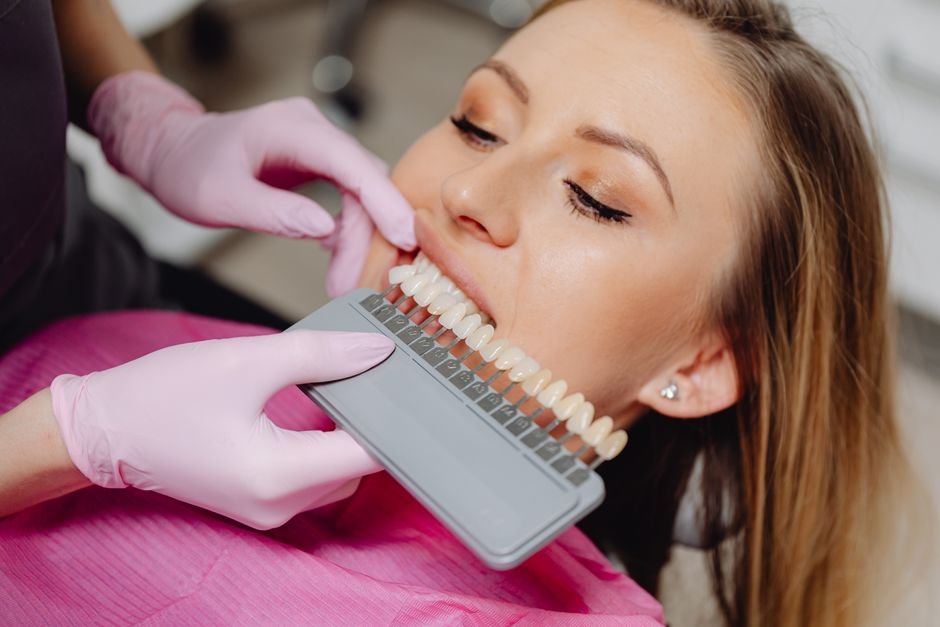
Colour matching begins with careful shade assessment, often using visual comparison under controlled lighting alongside digital shade-mapping devices that record precise colour values across different areas of a tooth. Because natural teeth are rarely one uniform shade, dentists typically record separate readings for the gum-line area, the body of the tooth, and the biting edge, since each zone usually differs slightly in colour and translucency. This information is then used to build a restoration that mirrors those same gradients, rather than applying a single flat colour across the entire surface.
Lighting conditions also play a significant role in how convincing a colour match appears day to day. A shade that looks accurate under bright clinical lighting can appear noticeably different in natural daylight or warm indoor lighting, so many practitioners check matches under several light sources before finalising a restoration. Some also take photographs alongside a shade guide to give the laboratory a visual reference, which helps technicians fine-tune subtle details like edge translucency that are hard to describe with a shade number alone.
Why Do Modern Veneers Look More Natural Than Older Versions?
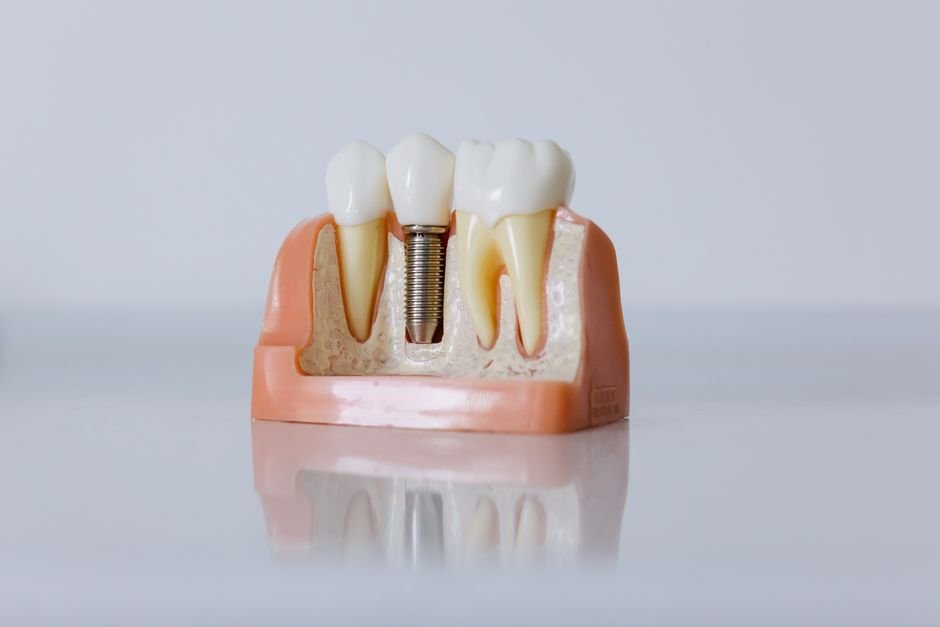
Earlier generations of veneers were often made from thicker, more opaque porcelain that reflected light in a flat, uniform way, which is part of why older cosmetic work sometimes had a noticeably artificial, “too white” appearance. Modern ceramic materials are engineered to be thinner while remaining strong, and are layered during fabrication to recreate the way light passes through natural enamel and reflects off the dentine underneath. This layering, combined with improved bonding methods, builds in subtle depth and translucency that closely resembles a real tooth rather than a painted shell sitting on top of one.
Placement technique has also improved alongside materials. Many modern veneers require only a thin layer of enamel to be adjusted, allowing the restoration to sit flush with the surrounding tooth structure rather than appearing bulky or raised. This more conservative approach means the gum tissue responds better around the edges of the restoration, reducing the risk of an unnatural ridge or shadow line where the veneer meets natural tooth. The combination of thinner materials, refined bonding, and gentler preparation all contribute to a result that moves and reflects light like a natural tooth.
What Role Does Tooth Shape and Proportion Play in Achieving Natural Results?
Colour is only part of what makes a smile look natural; shape and proportion matter just as much. Teeth that are too uniform in size and shape, with perfectly straight edges and identical corners, often look artificial because real teeth naturally vary slightly from one to the next. Central incisors are usually slightly different in width from the teeth beside them, edges have subtle rounding rather than sharp corners, and there is often gentle asymmetry between the left and right sides of a smile. Cosmetic dentists build in these small variations rather than striving for mathematical symmetry.
Proportion is also assessed in relation to a person’s face, lips, and gum line, not just tooth to tooth. Factors such as how much tooth shows when smiling or speaking, the width of the smile relative to the face, and the curve of the upper teeth compared with the lower lip all influence whether a result looks harmonious. Digital planning tools now allow these proportions to be mapped out before any permanent treatment begins, so adjustments can be made on a screen or in a temporary mock-up rather than after a restoration has already been placed.
How Does Gum Health and Contour Affect the Appearance of a Smile?
The gums frame the teeth, and their health and shape have a significant impact on how natural a smile appears, regardless of how well the teeth themselves are restored. Uneven gum lines, where one tooth appears shorter or longer because of how much gum tissue covers it, can make even beautifully matched restorations look asymmetrical or unfinished. Inflamed or receded gums can also distract from cosmetic work, since redness or exposed root surfaces draw attention away from the teeth and make a smile look unhealthy even when the restorations are technically excellent.
Because of this, comprehensive cosmetic planning usually includes an assessment of gum health and, where needed, minor gum contouring before or alongside restorative work. Reshaping the gum line to create even, symmetrical proportions can dramatically improve the overall appearance of a smile without requiring extensive work on the teeth themselves. Maintaining healthy gums afterwards, through good daily hygiene and regular professional cleaning, is equally important, since gum recession or inflammation can gradually change the appearance of even well-placed restorations.
Can Teeth Whitening Look Natural, or Does It Always Look Artificial?
Teeth whitening can look entirely natural when it is approached with restraint and tailored to an individual’s features. The most common reason whitening looks artificial is going several shades brighter than suits a person’s skin tone, lip colour, and the natural translucency of their enamel, resulting in a flat, chalky appearance rather than a healthy brightness. A more conservative approach, lightening teeth a few shades rather than pushing for the brightest possible result, tends to look more believable and ages better as the shade settles over the following weeks.
The method used also affects how natural the outcome appears. Professionally supervised whitening allows for gradual, monitored colour changes and can be adjusted if the result starts to look uneven or overly bright. It is also worth remembering that whitening only affects natural tooth enamel; existing crowns, veneers, or fillings will not change colour, which can create a mismatch if whitening is done without accounting for existing restorative work. Discussing this with a dentist beforehand helps avoid the inconsistency.
What Are Common Misconceptions About Cosmetic Dentistry Looking Fake?
One widespread misconception is that all cosmetic dental work inevitably looks artificial, often based on examples of outdated techniques or cases where a very bright, uniform result was deliberately requested. In reality, most cosmetic dentistry performed today is intended to be subtle, and successful cases are often the ones nobody notices, because the improvement blends seamlessly with the person’s natural features rather than announcing itself. The visible examples people tend to associate with “fake teeth” usually represent a specific aesthetic choice or older material limitations, not the full range of what modern techniques can achieve.
Another common myth is that natural-looking results require sacrificing durability or that subtle work is only possible with expensive, extensive treatment. In practice, conservative techniques such as composite bonding or minimal-preparation veneers can achieve very natural outcomes while preserving tooth structure and remaining more affordable than extensive restorative work. The idea that natural and durable are somehow in conflict does not generally hold up; many long-lasting ceramic materials are specifically engineered to combine strength with lifelike translucency, so patients do not have to choose one quality over the other.
Frequently Asked Questions
Do veneers always end up looking artificial or too white?
No. Veneers look artificial mainly when they are made too opaque, too uniformly bright, or with edges and proportions that do not suit the person’s face and other teeth. Modern layered ceramics are designed to mimic natural translucency, and a skilled dentist will select a shade and shape that complements the individual rather than defaulting to the brightest possible option. When shade, shape, and proportion are all considered together, veneers can be very difficult to distinguish from natural teeth.
How long do natural-looking cosmetic dental results typically last?
Durability depends on the material and technique used. Composite bonding generally lasts several years before it may need touching up or replacing, while ceramic veneers and crowns often last considerably longer with proper care. Good daily hygiene, avoiding habits like biting hard objects, and attending regular dental check-ups all help extend the lifespan of cosmetic restorations and keep their appearance looking fresh over time.
Can teeth whitening damage enamel or make results look unnatural?
When carried out under professional guidance and at sensible concentrations, whitening is generally considered safe for enamel. Results can look unnatural if the shade chosen is far brighter than suits the person’s features, or if existing restorations are not accounted for, since crowns and fillings do not change colour during whitening. A gradual, supervised approach with a realistic target shade tends to produce the most natural and comfortable outcome.
What is the difference between composite bonding and porcelain veneers for a natural look?
Composite bonding is applied and shaped directly onto the tooth in a single visit, is more conservative of natural tooth structure, and can be adjusted easily, though it may need more frequent maintenance. Porcelain veneers are custom-made in a laboratory from layered ceramic, generally hold their colour and shine for longer, and closely replicate the translucency of natural enamel, but they usually involve a small amount of tooth preparation and a longer overall process.
Will a natural-looking restoration still match my teeth as they change colour over time?
Natural teeth can gradually change shade due to factors like diet, ageing, and daily wear, while materials such as ceramic and composite resist staining and tend to hold their original shade for longer. Over many years this can create a slight difference between a restoration and the surrounding natural teeth. Regular dental check-ups allow this to be monitored, and options such as touch-up whitening of natural teeth or, in some cases, replacement of an older restoration can help keep the smile looking consistent.
Disclaimer: This article is for informational purposes only and does not constitute medical or dental advice. Always consult a qualified dental professional before making any decisions about your oral health or treatment options.