
Once fully healed, a dental implant feels remarkably close to a natural tooth. You bite, chew, speak and brush without thinking about it, and the artificial root fuses so firmly with the jawbone that most people forget which tooth is the implant within a few months. The main differences are subtle: a very slight change …
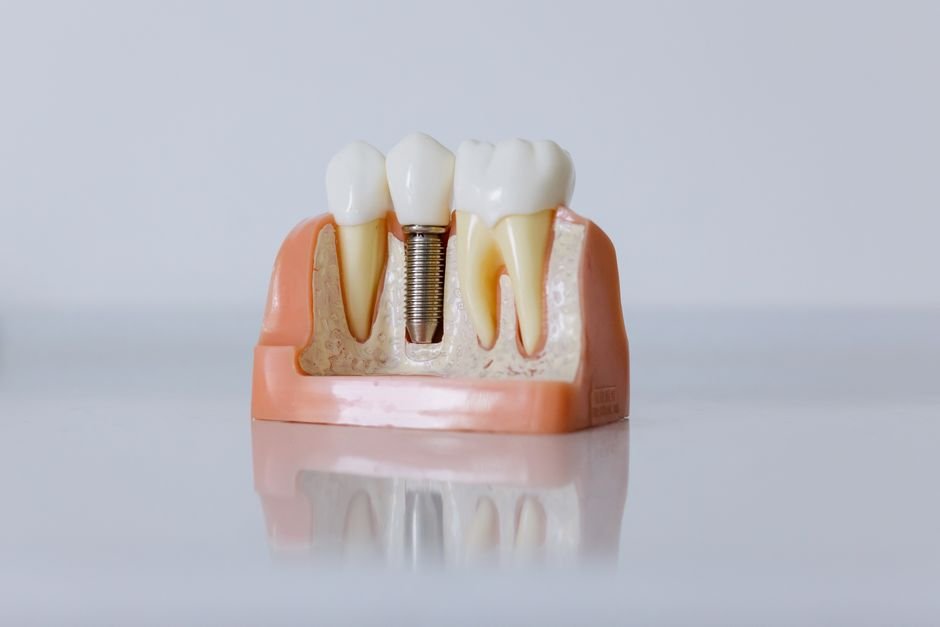

Once fully healed, a dental implant feels remarkably close to a natural tooth. You bite, chew, speak and brush without thinking about it, and the artificial root fuses so firmly with the jawbone that most people forget which tooth is the implant within a few months. The main differences are subtle: a very slight change in how pressure and temperature register, and a feeling of solid stability that some describe as even sturdier than their natural teeth ever were.
Key takeaways
- A healed implant feels stable and secure, similar to a natural tooth for everyday biting, chewing and speaking.
- Sensations of pressure and temperature are slightly muted compared with a natural tooth because the implant lacks a periodontal ligament.
- Full healing and bone fusion, known as osseointegration, generally takes a few months before the implant feels completely settled.
- Ongoing tenderness, looseness or persistent discomfort after healing is not normal and should be checked by a dentist.
- Daily brushing and flossing around a healed implant feels much the same as caring for a natural tooth.
Do healed implants feel like natural teeth?
For most patients, a fully healed implant feels indistinguishable from a natural tooth during everyday activities. You can bite into firm foods, chew normally on either side of the mouth, and speak without any awkward sensation of something foreign sitting in the jaw. The crown sits at the same height and angle as the surrounding teeth, so the tongue and cheeks quickly adjust and stop noticing it as separate from the rest of the smile.
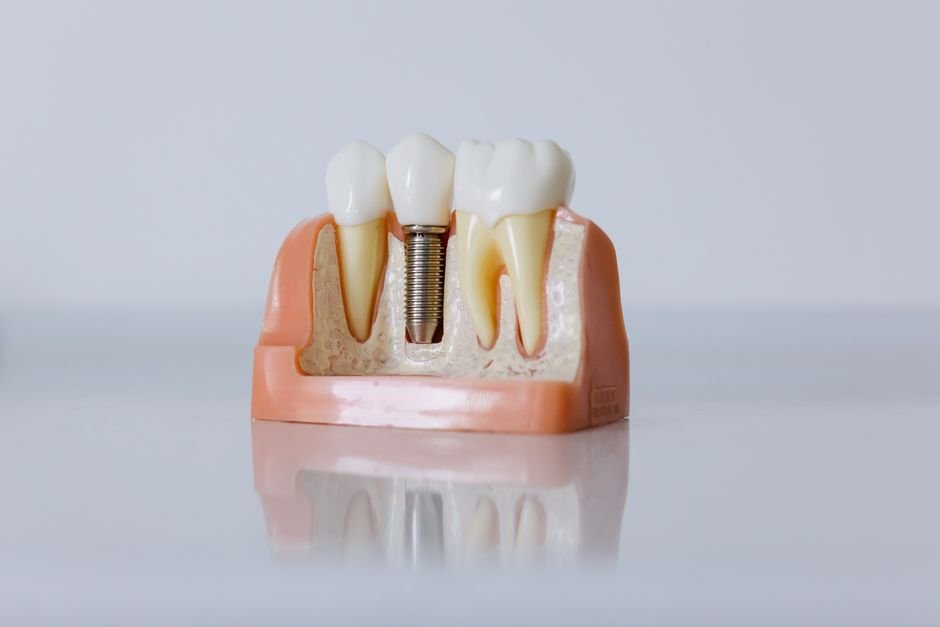
The reason it feels so natural is that the implant post fuses directly with the jawbone through a process called osseointegration. This creates a firm, immovable foundation rather than something that shifts or wobbles. Many people say the implant feels sturdier than the natural tooth it replaced, particularly if that original tooth had been loosened by gum disease or was already weakened before extraction.
What does chewing feel like with a healed implant?
Chewing on a healed implant generally feels solid and dependable. Because the implant is anchored directly into bone rather than suspended by the ligament that supports natural teeth, it does not flex or give slightly under pressure the way a real tooth does. Most people find this reassuring rather than strange, since it means the implant can comfortably handle firmer foods such as raw vegetables, crusty bread or nuts once healing is complete.
Some patients notice they can bite down with a bit more confidence on the implant side, precisely because there is no lingering soreness or looseness. It is still sensible to introduce very hard or chewy foods gradually in the weeks after the crown is fitted, simply to let the surrounding gum tissue settle, but once healing is finished there is generally no restriction on diet at all.
Can you feel temperature and pressure through an implant?
Temperature sensations, such as sipping something hot or eating ice cream, are usually still felt around a healed implant, but the sensation tends to be slightly reduced compared with a natural tooth. This is because natural teeth have internal nerve tissue and a surrounding ligament that both contribute to how sharply temperature is perceived, while an implant has neither of these structures in the same form.
Pressure sensation works in a similar way. A natural tooth has fine nerve fibres in its supporting ligament that can detect even a single grain caught between the teeth, sending an almost instant signal to stop biting. An implant relies instead on surrounding bone and gum tissue to register pressure, so the feedback is a little less precise. In practice this rarely causes problems, though it is one reason dentists sometimes advise slightly more caution when biting into unexpectedly hard objects.
Why do implants feel slightly different from natural teeth?
The core difference comes down to anatomy. A natural tooth is held in its socket by a periodontal ligament, a thin layer of connective tissue packed with nerve endings that senses pressure, movement and temperature with remarkable precision. An implant skips this ligament entirely and is fused straight into the bone, which is what gives it such impressive strength and stability but also removes that fine layer of sensory feedback.
This does not mean an implant feels numb or disconnected. Nerve endings in the surrounding gum and jawbone still transmit general sensations of pressure and temperature to the brain, just in a less finely tuned way. Most patients describe the difference as barely noticeable once they are used to it, and it rarely affects comfort, taste or the enjoyment of food and drink.
What does the gum and jaw feel like around a healed implant?
Once healing is complete, the gum tissue around an implant should feel firm, pink and comfortable, much like the gum around any other tooth. There should be no ongoing tenderness when brushing, no puffiness, and no sensitivity to gentle touch. The jawbone beneath should feel solid, without any sense of movement or give when biting or applying pressure to the crown.
It is normal for the area to feel slightly different from the rest of the mouth in the early months, simply because the tissue is still maturing around the new structure. However, by the time healing is genuinely finished, most people cannot identify the implant site by feel alone unless they specifically know where to look. Any lingering ache, throbbing or a change in how the gum feels against the tongue is worth mentioning to a dental professional.
How does a healed implant compare with a denture or bridge?
Implants tend to feel noticeably more secure than removable dentures, which can shift slightly during eating or speaking and rely on suction, clips or adhesive to stay in place. Because an implant is fixed permanently into the jawbone, there is no risk of movement, no need to remove it at night, and no awareness of an appliance sitting over the gums the way a denture can feel.
Compared with a traditional bridge, which relies on the neighbouring teeth for support, an implant feels more self-contained since it does not place extra load on adjacent teeth. Many people who have worn a bridge or denture in the past describe switching to an implant as feeling closer to having their own natural tooth back, particularly when it comes to confidence while eating in public or laughing without worrying about slippage.
What sensations should prompt concern after healing?
A well-healed implant should feel stable, quiet and unremarkable in daily life. Warning signs that something needs attention include a sensation of looseness or slight movement in the crown, ongoing throbbing or aching, a burning feeling in the gum, or persistent sensitivity when biting down that does not settle after a few days. Swelling, an unpleasant taste near the implant site, or a feeling that the gum has pulled away from the crown are also worth having checked.
These symptoms do not necessarily mean the implant has failed, but they should never simply be ignored or worked around. Catching an issue such as gum inflammation around the implant early makes it far easier to treat and protects the long-term success of the implant. A dentist can usually assess the cause quickly with a visual check and, if needed, an X-ray to confirm the bone and tissue remain healthy.
How does daily care feel with a healed implant?
Brushing and flossing around a healed implant should feel completely ordinary. The crown can be brushed with the same gentle, circular motion used on natural teeth, and standard floss or interdental brushes work well around the base to keep the gumline clean. There is no special sensation to adjust to, and most people incorporate the implant into their normal routine without a second thought.
Because the implant itself cannot develop decay, the main focus of care shifts to keeping the surrounding gum and bone healthy, since these tissues can still be affected by plaque build-up. A soft-bristled brush, fluoride toothpaste and daily interdental cleaning are usually all that is required, alongside regular dental check-ups so a professional can monitor the fit of the crown and the health of the tissue around it over time.
Does it take time to get used to how an implant feels?
Even though the implant itself is fused solidly into the jaw fairly early in the healing process, it can take the brain a little longer to stop treating it as something unfamiliar. Many people notice they are consciously aware of the implant for the first few weeks after the final crown is fitted, occasionally running their tongue over it or chewing carefully on that side out of habit rather than necessity.
This adjustment period is completely normal and usually fades within a matter of weeks as the bite settles and the surrounding muscles and nerves adapt to the new tooth. By the time healing is fully complete, most patients report that the implant has essentially blended into the rest of their mouth, and the earlier awareness of “something new” disappears almost entirely from daily thought.
Frequently Asked Questions
How long does it take for a dental implant to feel completely normal?
Most people find an implant feels close to normal within a few weeks of the final crown being fitted, though full bone healing, known as osseointegration, generally continues for several months. By the time this process is complete, the implant typically feels fully settled and indistinguishable from a natural tooth during everyday use.
Is it normal for an implant to feel slightly different from other teeth?
Yes, a small difference in sensation is normal because an implant lacks the ligament that gives natural teeth their fine sense of pressure and temperature. This difference is usually very subtle and does not affect comfort, chewing ability or day-to-day function once healing is finished.
Can you feel pain in a healed dental implant?
A properly healed implant should not cause pain. Occasional mild sensitivity to very hot or cold foods can happen, but ongoing pain, throbbing or discomfort when biting is not typical and should be assessed by a dentist to rule out issues such as gum inflammation or a poorly fitting crown.
Does a healed implant feel loose if you press on it?
No, a successfully healed implant should feel completely rigid and immovable when pressed or bitten on, because it is fused directly into the jawbone. Any sense of looseness or movement is a sign that something needs professional evaluation rather than a normal part of how implants feel.
Will a dental implant feel different when eating hot or cold food?
Temperature can still be felt through a healed implant, but the sensation is usually a little less sharp than with a natural tooth, since the implant does not have the same internal nerve tissue. Most people find this difference barely noticeable and it does not stop them enjoying hot or cold foods and drinks as usual.
Disclaimer: This article is for informational purposes only and does not constitute medical or dental advice. Always consult a qualified dental professional before making any decisions about your oral health or treatment options.