
Jaw pain usually comes from one of a handful of sources: joint problems in the temporomandibular joint (TMJ), muscle tension from clenching or grinding, a dental infection, an injury, or referred pain from a nearby structure such as the sinuses or ear. The exact cause is best identified by looking at when the pain occurs, …
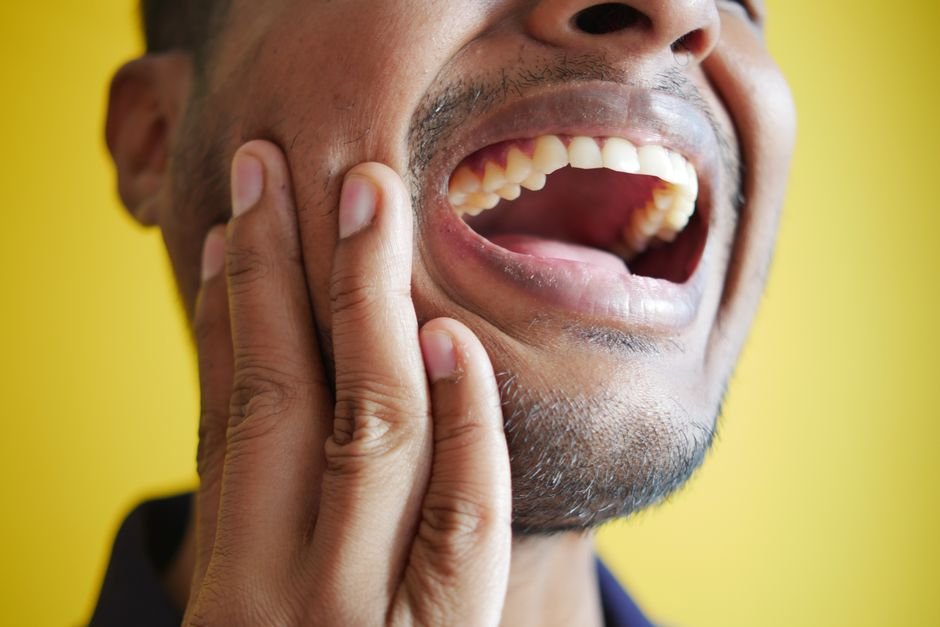

Jaw pain usually comes from one of a handful of sources: joint problems in the temporomandibular joint (TMJ), muscle tension from clenching or grinding, a dental infection, an injury, or referred pain from a nearby structure such as the sinuses or ear. The exact cause is best identified by looking at when the pain occurs, whether it is one-sided or affects both sides, and whether it is accompanied by clicking, swelling, or difficulty opening the mouth. Because so many different conditions can produce similar symptoms, working through the common causes one by one is the clearest way to understand what might be happening.
Key takeaways
- Jaw pain often stems from TMJ disorders, teeth grinding, dental infections, injury, or referred pain from nearby structures.
- Clicking, popping, or a locking sensation usually points to a joint-related rather than a purely dental cause.
- Pain that is worse in the morning is commonly linked to night-time clenching or grinding.
- Persistent, worsening, or one-sided jaw pain with swelling should always be assessed by a dentist promptly.
- Simple self-care such as a softer diet and stress management can ease mild, short-term jaw discomfort.
What is the temporomandibular joint and why does it cause pain?
The temporomandibular joint, or TMJ, is the hinge that connects the lower jawbone to the skull, sitting just in front of each ear. It allows the complex sliding and rotating movements needed for chewing, speaking, and yawning. Because it is used almost constantly throughout the day, this joint is particularly prone to wear, inflammation, and mechanical problems compared with many other joints in the body. A disc of cartilage cushions the joint, and when that disc shifts out of its normal position, or when the surrounding muscles and ligaments become inflamed, the result is often felt as an ache in front of the ear that can spread along the jawline.
Temporomandibular joint disorders, often shortened to TMD, are among the most frequent reasons people seek advice for jaw pain. Symptoms typically include a dull, aching pain that worsens with chewing, clicking or popping sounds when opening or closing the mouth, and in some cases a temporary locking of the jaw. The discomfort can radiate outward to the temples, cheeks, or neck, which sometimes leads people to mistake it for a headache or earache rather than recognising its true source in the joint itself.
Can teeth grinding and clenching lead to jaw pain?
Bruxism, the medical term for grinding or clenching the teeth, is one of the most common contributors to jaw discomfort. It often happens unconsciously during sleep, meaning many people are unaware they do it until a partner mentions the noise or a dentist notices telltale wear on the biting surfaces of the teeth. The repetitive, forceful muscle contractions involved in grinding place significant strain on the jaw joint and the surrounding muscles, which can lead to soreness that is most noticeable first thing in the morning.
Daytime clenching, frequently triggered by stress, concentration, or anxiety, produces a similar effect but tends to build gradually across the day rather than appearing on waking. Over time, chronic grinding and clenching can cause the jaw muscles to become fatigued and tender to the touch, and it may also contribute to headaches that start near the temples. Left unaddressed, sustained grinding can also flatten or fracture teeth, making early recognition of the habit useful for protecting both the jaw and the teeth themselves.
Could a tooth infection or abscess be causing the pain?
Dental infections are another significant source of jaw pain, and they tend to produce a throbbing, localised ache rather than the more diffuse discomfort typical of joint problems. When bacteria reach the soft inner pulp of a tooth, usually through untreated decay or a crack, the resulting infection can spread to the surrounding bone and tissue. This process, known as an abscess, often causes swelling in the jaw or face, sensitivity to hot or cold, and pain that intensifies when biting down or lying flat.
A key feature that distinguishes an infection-related ache from a joint or muscle problem is that it usually centres around one specific tooth before spreading outward. Some people also notice a persistent bad taste, mild fever, or swollen glands in the neck as the infection progresses. Because dental infections can worsen quickly and, in rare cases, spread beyond the mouth, any jaw pain accompanied by facial swelling or fever warrants prompt attention from a dental professional rather than waiting to see if it settles on its own.
How does stress and muscle tension contribute to jaw discomfort?
Emotional stress has a well-documented physical effect on the muscles of the jaw, neck, and shoulders. When a person is under pressure, it is common to unconsciously tighten the jaw muscles, hold tension in the temples, or grind the teeth without realising it. This sustained muscle contraction, sometimes called myofascial tension, can produce an aching sensation that spreads across the side of the face and up towards the ear, closely mimicking the symptoms of a joint disorder.
Because the muscles involved in chewing are among the strongest in the body relative to their size, prolonged tension in this area can be surprisingly uncomfortable. People experiencing stress-related jaw pain often notice it worsens during particularly demanding periods and eases somewhat during rest or relaxation. Simple measures such as conscious jaw relaxation, gentle stretching, and reducing overall stress levels can meaningfully reduce this type of discomfort, though persistent cases benefit from a professional assessment to rule out other contributing factors.
What role does jaw injury or trauma play?
A direct blow to the face or jaw, whether from a fall, a sporting incident, or an accident, can damage the joint, the surrounding muscles, or the jawbone itself. Even relatively minor trauma can cause inflammation within the joint capsule that leads to lingering pain, stiffness, and a reduced range of motion. In more significant injuries, the jaw may be dislocated or fractured, producing sudden, severe pain along with visible swelling, bruising, or an obvious change in how the teeth fit together.
Overuse injuries are another form of jaw trauma that develop more gradually. Habits such as chewing gum excessively, biting nails, or repeatedly opening the mouth very wide can strain the joint over time in a way that parallels a repetitive strain injury elsewhere in the body. Recognising the connection between a recent impact or a repetitive habit and the onset of jaw pain can help identify trauma as the underlying cause, particularly when the discomfort began suddenly rather than developing slowly.
Can sinus problems be mistaken for jaw pain?
The maxillary sinuses sit just above the upper back teeth, and when they become inflamed or congested, the pressure can be felt as an ache in the upper jaw that is easily confused with a dental problem. This referred pain typically affects several upper teeth at once rather than a single tooth, and it often comes with other sinus symptoms such as nasal congestion, a feeling of facial pressure, or discomfort that worsens when bending forward.
Distinguishing sinus-related discomfort from a genuine dental issue can be tricky because both can cause similar aching sensations in the same general area. One helpful clue is that sinus pain tends to affect a broader region and fluctuates with congestion, while a dental cause is usually more localised and consistent regardless of head position. Because the two can occur together, particularly during a cold or seasonal allergy flare, a dental check-up is often useful to rule out a tooth-related source before assuming the sinuses are entirely to blame.
When is jaw pain linked to arthritis or joint degeneration?
Like other joints in the body, the temporomandibular joint can be affected by forms of arthritis, including osteoarthritis caused by gradual wear of the joint’s cartilage over many years. This type of degeneration tends to develop slowly and is more common later in life, producing a persistent stiffness and aching sensation that is often most noticeable first thing in the morning or after long periods without movement. A grating or grinding sensation during jaw movement can also be a feature of joint degeneration.
Inflammatory forms of arthritis affecting the whole body can likewise involve the jaw joint, sometimes alongside symptoms in other joints such as the hands or knees. Because degenerative changes in the joint develop gradually, people may not immediately connect long-standing jaw stiffness with an underlying joint condition. An examination that includes imaging of the joint can help confirm whether ongoing wear is contributing to the discomfort, which then guides appropriate long-term management of the condition.
How is the underlying cause of jaw pain diagnosed?
Working out the source of jaw pain generally begins with a detailed conversation about when the discomfort started, what makes it better or worse, and whether it is accompanied by clicking, swelling, or difficulty opening the mouth fully. A physical examination follows, checking the range of motion of the jaw, feeling for tenderness in the muscles and joint, and listening for any sounds during movement. The teeth are also examined closely for signs of wear, cracks, or decay that might point to a dental origin.
When the cause is not immediately clear from the history and examination, imaging such as an X-ray or a more detailed scan of the joint may be recommended to assess the bone and cartilage in more detail. This step-by-step process helps separate joint disorders, muscle tension, dental infections, and referred pain from one another, since treatment approaches differ considerably depending on which of these is responsible. An accurate diagnosis is the foundation for any effective, long-term relief.
Frequently Asked Questions
Is jaw pain always related to a dental problem?
No. While infections and dental issues are common causes, jaw pain can also arise from joint disorders, muscle tension, injury, sinus congestion, or joint degeneration. A dental examination is a sensible first step, but the cause is not always found in the teeth themselves.
Why is my jaw pain worse in the morning?
Morning jaw pain is frequently linked to night-time teeth grinding or clenching, which places sustained strain on the jaw muscles and joint while a person sleeps. The discomfort typically eases somewhat as the day goes on once the clenching pattern stops.
What does a clicking or popping jaw mean?
Clicking or popping sounds usually indicate that the disc of cartilage within the temporomandibular joint has shifted slightly out of its normal position. This is common and not always painful, though it can be accompanied by discomfort or a catching sensation in some cases.
Can stress really cause physical jaw pain?
Yes. Stress commonly leads to unconscious jaw clenching and muscle tension in the face, neck, and shoulders. This sustained muscle tightness can produce a genuine, physical ache around the jaw and temples, even without any underlying joint or dental problem.
When should jaw pain be checked by a professional?
Jaw pain that is severe, persistent, accompanied by swelling or fever, follows an injury, or makes it difficult to open the mouth or eat should be assessed promptly. Milder, occasional discomfort can often be monitored initially with simple self-care measures.
Disclaimer: This article is for informational purposes only and does not constitute medical or dental advice. Always consult a qualified dental professional before making any decisions about your oral health or treatment options.