
Dental implants and dentures both replace missing teeth, but they work in fundamentally different ways. Implants are anchored directly into the jawbone and function much like natural tooth roots, offering a fixed, permanent solution. Dentures sit on top of the gums as removable appliances that can be taken out for cleaning. Choosing between them depends …

Dental implants and dentures both replace missing teeth, but they work in fundamentally different ways. Implants are anchored directly into the jawbone and function much like natural tooth roots, offering a fixed, permanent solution. Dentures sit on top of the gums as removable appliances that can be taken out for cleaning. Choosing between them depends on factors such as the number of teeth missing, the health of the jawbone, budget, and personal preference regarding maintenance and daily routine. Understanding how each option compares across durability, comfort, care, and cost makes it easier to see which approach suits a particular situation.
Key takeaways
- Implants are fixed into the jawbone, while dentures are removable appliances resting on the gums.
- Implants generally offer greater stability, a more natural bite, and help preserve jawbone density.
- Dentures are typically less costly upfront and involve a non-surgical fitting process.
- Bone health, budget, and lifestyle all influence which option is more suitable for a given person.
- Both options require consistent daily cleaning and regular dental check-ups to remain effective long term.
How do dental implants actually work?
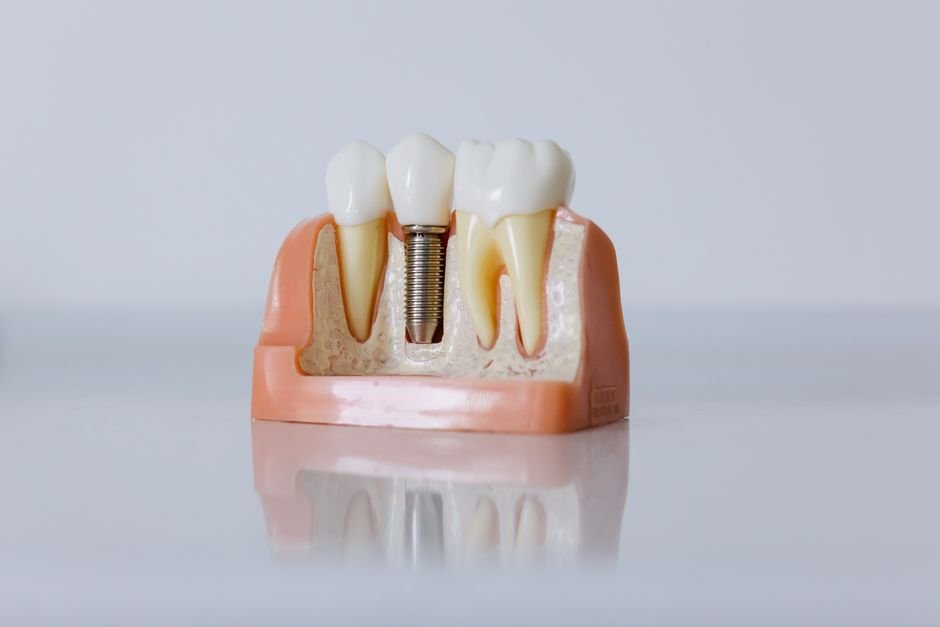
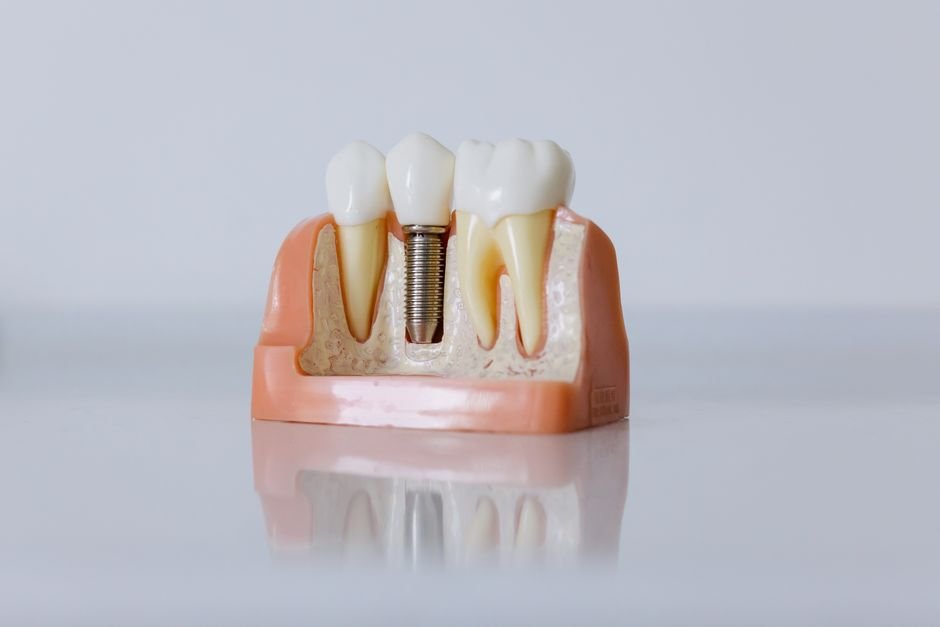
A dental implant is a small post, usually made of titanium or a similar biocompatible material, that is surgically placed into the jawbone to act as an artificial tooth root. Over a period of weeks to months, the surrounding bone gradually fuses to the surface of the post in a process called osseointegration, creating a remarkably stable foundation. Once this healing is complete, a connector piece called an abutment is attached, followed by a custom-made crown, bridge, or full denture that sits securely on top.
Because the implant is embedded in the bone itself, it behaves very differently from a removable appliance sitting on the gum surface. It does not shift, slip, or need to be taken out, and the biting force is transferred through the implant into the jaw in a way that closely resembles a natural tooth. This integration with the bone is also what allows implants to help maintain jawbone density in the area of the missing tooth, something removable options cannot achieve on their own.
How do dentures work by comparison?
Dentures are removable appliances custom-made to replace some or all of the teeth in the upper or lower jaw. A full denture replaces an entire arch of teeth and relies on suction, natural ridges in the gum, and sometimes a denture adhesive to stay in place, while a partial denture uses small clasps that attach to remaining natural teeth for extra support. Both types are crafted from an impression of the mouth so that the shape closely follows the contours of the gums and jaw.
Because dentures rest on top of the gum tissue rather than being anchored into the bone, they do not provide the same level of stability as implants and can move slightly during eating or speaking, particularly in the lower jaw where suction is naturally weaker. Modern denture materials and designs have improved comfort and fit considerably, and many people adapt well to wearing them, though an adjustment period is common as the muscles of the cheeks and tongue learn to keep the appliance steady.
Which option feels more like natural teeth?
Because implants are fixed in place and transmit chewing force directly through the jawbone, they tend to feel closer to natural teeth than removable dentures. There is no risk of the replacement tooth shifting while eating tougher foods, and many people report that implants allow them to bite and chew with confidence similar to what they experienced before losing the tooth. Speech is also typically unaffected, since there is no appliance covering the roof of the mouth or moving against the gums.
Dentures, while significantly improved by modern materials, generally cannot fully replicate the sensation and function of natural teeth, particularly for foods that require substantial biting force such as raw vegetables or firmer meats. Some denture wearers also notice a change in taste sensation if the appliance covers a large portion of the palate, and speech may require a short adjustment period. That said, well-fitted dentures still restore a functional, natural-looking smile for the vast majority of wearers.
What does each option involve in terms of the fitting process?
Getting dental implants is a surgical process that unfolds over several stages and typically spans a number of months from start to finish. It begins with an assessment of jawbone volume and overall oral health, followed by the surgical placement of the implant post, a healing period for osseointegration, and finally the fitting of the visible restoration. Because it involves surgery, a local anaesthetic is used during placement, and some swelling or tenderness in the days afterward is normal.
Dentures, by contrast, involve a non-surgical process built around taking detailed impressions and bite measurements of the mouth, which are then used to craft a custom appliance in a dental laboratory. Several fitting appointments are usually needed to fine-tune the shape, colour, and bite before the final denture is delivered. Because there is no surgery involved, the process is generally quicker to complete and suitable for people who prefer to avoid a surgical procedure or who have health considerations that make surgery less appropriate.
How does each option affect long-term jawbone health?
When a tooth is lost, the jawbone in that area gradually loses density over time because it no longer receives the stimulation that comes from chewing forces travelling through a tooth root. Dental implants directly address this issue because the post itself transmits force into the bone in a similar way to a natural root, which helps maintain bone volume in the area surrounding the implant for as long as it remains in place.
Dentures, because they rest on the gum surface rather than integrating with the bone, do not provide this same stimulation, and the jawbone beneath a denture can continue to shrink gradually over the years. This bone loss can eventually change the fit of the denture, sometimes requiring relining or remaking of the appliance to maintain a comfortable, secure fit. This is one of the most significant long-term differences between the two options and is often an important factor in the decision-making process.
What is involved in caring for implants versus dentures?
Caring for dental implants closely resembles caring for natural teeth. Regular brushing, flossing around the implant crown, and routine dental check-ups are generally sufficient to keep the surrounding gum tissue healthy and the restoration functioning well. Because the crown attached to an implant is fixed permanently in place, there is no need for special overnight storage or soaking solutions, which some people find more convenient as part of a daily routine.
Dentures require a different care routine that includes removing them for cleaning, brushing them with a soft brush and appropriate cleaner, and typically soaking them overnight in water or a denture-cleaning solution to prevent them from drying out and losing their shape. The gums and any remaining natural teeth also need regular cleaning while the denture is out. This routine, while straightforward, does require a consistent daily habit that differs noticeably from caring for fixed replacement teeth.
How do the costs of implants and dentures compare?
Dental implants generally involve a higher upfront cost than dentures because of the surgical procedure, the materials used, and the number of appointments involved in the process from placement through to the final restoration. This cost reflects the specialised nature of the treatment and the durability of the result, since a well-maintained implant can function reliably for many years without needing to be replaced.
Dentures typically cost less initially, making them an accessible option for people replacing multiple teeth or an entire arch on a more limited budget. However, dentures often need periodic relining, adjustment, or eventual replacement as the shape of the gums and jawbone changes over time, which can add to the cost across the years a person wears them. Weighing the upfront cost against the potential for ongoing adjustments is a useful part of comparing the two options financially.
Who tends to be a suitable candidate for each option?
Good candidates for dental implants generally have sufficient jawbone density to support the post, good overall gum health, and no uncontrolled medical conditions that would significantly interfere with healing after surgery. People who smoke heavily or have certain chronic health conditions may need additional evaluation, since these factors can affect how well the implant integrates with the bone. A thorough assessment, sometimes including a scan of the jaw, helps determine suitability before proceeding.
Dentures tend to suit people who prefer to avoid surgery, who are missing a large number of teeth, or whose jawbone has already experienced significant loss that would make implant placement more complex without additional bone-building procedures. They can also serve as a practical option for those seeking a faster, less invasive path to restoring their smile and chewing function. In many cases, a combination approach using implants to help stabilise a denture offers a middle ground between the two.
Frequently Asked Questions
Are dental implants more durable than dentures?
Yes, generally. A well-maintained dental implant can function for many years because it is anchored directly into the jawbone. Dentures typically need relining, adjustment, or replacement over time as the shape of the gums and underlying bone gradually changes.
Do dental implants require surgery?
Yes. Placing a dental implant involves a surgical procedure to insert the post into the jawbone, carried out under local anaesthetic. Dentures, by contrast, are created and fitted without any surgical intervention.
Can dentures be converted to implants later?
In many cases, yes. Implants can be placed later to support or replace an existing denture, provided there is adequate jawbone density. A dental assessment is needed to determine whether this transition is suitable for a particular person.
Why do some people choose dentures over implants?
Common reasons include a lower upfront cost, a preference to avoid surgery, insufficient jawbone density for implants, or a desire for a faster overall treatment timeline. Personal comfort with each option’s care routine also plays a role in the decision.
Do implants and dentures both need daily cleaning?
Yes. Implants are cleaned like natural teeth through brushing and flossing, while dentures are removed and cleaned separately, usually with a soft brush and a soaking solution. Both routines are essential for maintaining oral health and the longevity of the appliance.
Disclaimer: This article is for informational purposes only and does not constitute medical or dental advice. Always consult a qualified dental professional before making any decisions about your oral health or treatment options.