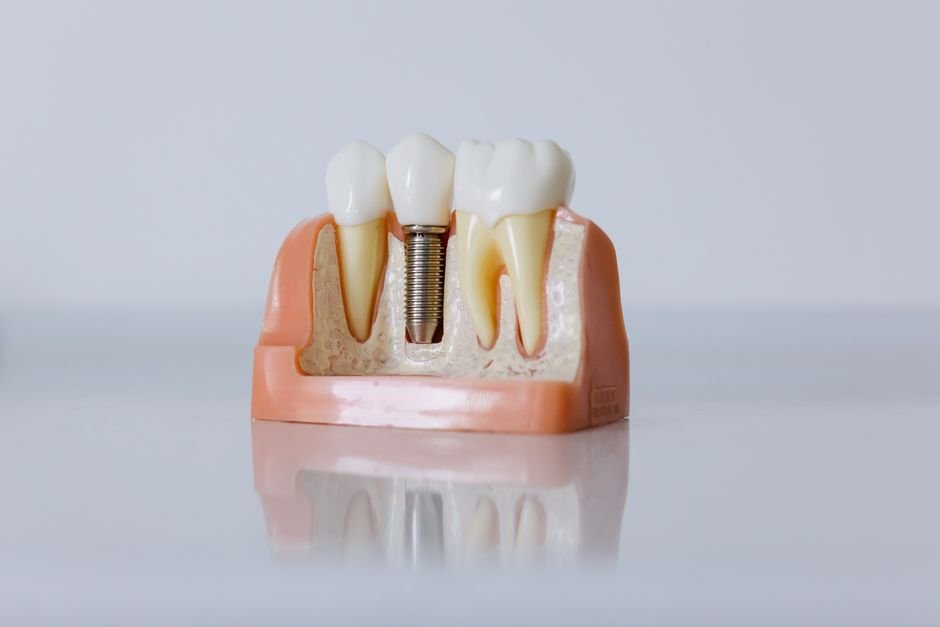

Dental implant failure usually announces itself through a small set of recognisable signs: persistent pain or discomfort around the implant site, a sense of looseness or movement in the implant, ongoing swelling or gum inflammation that doesn’t settle, and, in later stages, visible bone loss around the implant on an X-ray. Most implants function well …
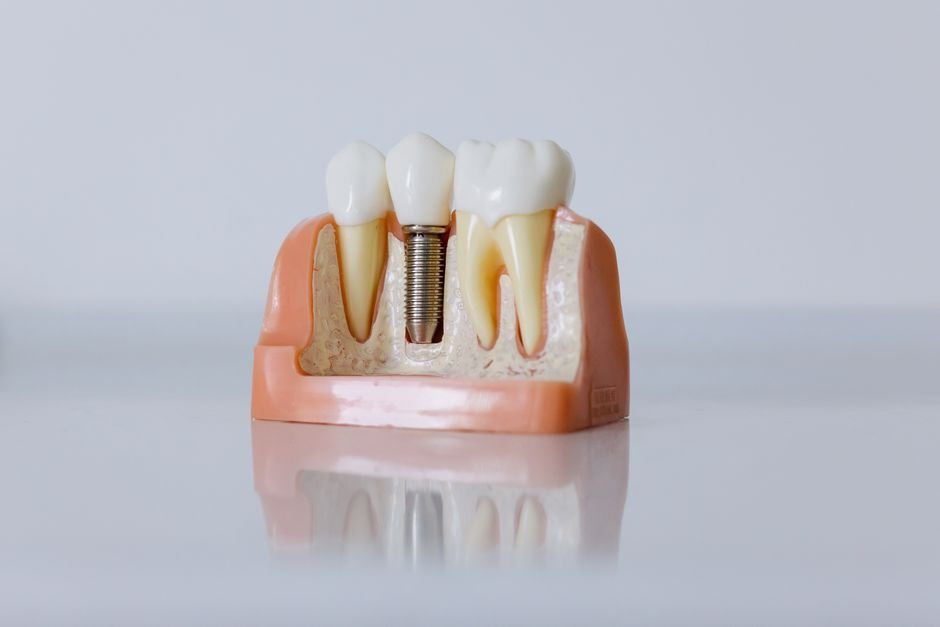

Dental implant failure usually announces itself through a small set of recognisable signs: persistent pain or discomfort around the implant site, a sense of looseness or movement in the implant, ongoing swelling or gum inflammation that doesn’t settle, and, in later stages, visible bone loss around the implant on an X-ray. Most implants function well for many years, and spotting these signs early, then having them checked by a dentist promptly, is what generally keeps a minor issue from becoming a bigger one.
Key takeaways
- Implant failure is relatively uncommon, and most cases are manageable when caught early.
- Early signs include discomfort, swelling, and a feeling of looseness; later signs often involve visible gum recession or bone loss.
- Peri-implantitis, an inflammatory condition affecting the tissue around an implant, is the leading cause of later-stage failure.
- Smoking, inconsistent oral hygiene, and unmanaged health conditions can raise the likelihood of complications.
- Regular check-ups and prompt attention to new symptoms are the most reliable ways to protect an implant long term.
How common is dental implant failure, really?
Dental implants are, on the whole, a well-established and reliable option for replacing missing teeth, with the large majority integrating successfully and functioning for many years without issue. When problems do occur, they tend to fall into two broad categories: early failure, which happens before the implant has fully bonded with the jawbone, and late failure, which develops after the implant has been in place and functioning for some time. Understanding this distinction helps put individual symptoms into perspective rather than causing unnecessary worry.
It’s worth remembering that a properly placed implant, cared for with reasonable hygiene and monitored through routine dental visits, has a strong track record. Occasional sensitivity or mild discomfort in the days after placement is normal and expected as part of healing. The signs worth paying attention to are the ones that persist, worsen, or appear well after the initial healing period has passed, since these are more likely to reflect an underlying issue rather than a normal part of recovery.
What are the early warning signs of implant trouble?
In the weeks and months after placement, a few symptoms are worth monitoring closely. Pain that continues beyond the expected healing window, rather than gradually easing, is one signal. Similarly, swelling or redness in the gum tissue around the implant that doesn’t improve, or that returns after seeming to settle, can indicate the surrounding tissue isn’t healing as expected. A sensation of looseness or movement when biting or chewing is another important sign, since a healthy, properly integrated implant should feel stable and function much like a natural tooth.
Other early indicators include a persistent unpleasant taste or odour that doesn’t resolve with normal oral hygiene, or gum tissue that appears to be pulling away from the implant. None of these signs automatically mean the implant has failed, but they are useful prompts to arrange an appointment rather than waiting to see if things improve on their own. Dentists can usually assess and address early-stage concerns quite effectively when they’re raised promptly.
What do late-stage warning signs look like?
Late failure tends to develop more gradually, often after an implant has been functioning well for a considerable time. The hallmark sign is bone loss around the implant, which is typically identified through routine X-rays during check-ups rather than through symptoms a patient would notice day to day. As bone support diminishes, the implant may eventually begin to feel less stable, even though the visible portion above the gumline can look unchanged for a long while.
Other late-stage signs include gum recession that exposes more of the implant than before, increasing sensitivity around the site, and deeper gum pockets that a dentist can measure during a check-up. Because these changes happen slowly and aren’t always obvious to the person experiencing them, this is one of the main reasons routine dental reviews matter even when an implant feels perfectly fine. Catching bone loss in its earlier stages generally allows for a much wider range of treatment options.
What’s the difference between early and late implant failure?
Early failure occurs during the initial healing phase, typically within the first few months, when the implant is meant to be fusing with the surrounding jawbone through a process called osseointegration. If this bonding doesn’t happen properly, due to factors like infection, insufficient bone density at the site, or the implant being disturbed before it has settled, the implant may not achieve the stability it needs and can fail relatively early on.
Late failure, in contrast, happens after successful integration and a period of normal function, sometimes years later. This type is more commonly linked to ongoing inflammation of the tissue around the implant, mechanical stress from things like teeth grinding, or a gradual decline in the bone and gum support over time. The causes, warning signs, and management approaches differ somewhat between the two, which is why dentists consider the timing of any new symptoms when working out what might be going on.
What is peri-implantitis, in plain terms?
Peri-implantitis is an inflammatory condition that affects the gum and bone tissue surrounding a dental implant. It’s often described as broadly similar to gum disease around a natural tooth, in that it typically begins with inflammation of the soft tissue and, if left unaddressed, can progress to affect the supporting bone. It is generally considered the most common underlying cause of later-stage implant complications.
The condition usually develops when a build-up of plaque and bacteria around the implant triggers an ongoing inflammatory response. In its earlier form, sometimes called peri-implant mucositis, the inflammation is limited to the soft tissue and is typically reversible with improved cleaning and professional care. If it progresses to affect the bone, it becomes more involved to manage, which is why dentists place a strong emphasis on catching and addressing the earlier, soft-tissue stage whenever possible.
How is implant health typically diagnosed and monitored?
Routine monitoring usually combines a visual and physical examination with periodic X-rays. During a check-up, a dentist will typically look at the colour and firmness of the gum tissue, check for any bleeding when the area is gently probed, and measure the depth of the gum pocket around the implant, much as they would for natural teeth. These measurements, tracked over successive visits, help identify any gradual changes that might not be obvious from one appointment to the next.
X-rays play a particularly important role because they allow the dentist to see the level of bone surrounding the implant, which isn’t visible during a standard visual check. Comparing X-rays taken at different points in time makes it possible to spot early bone loss well before it would cause any noticeable symptoms. This is one of the main reasons dentists recommend sticking to a regular review schedule for implants rather than only seeking care when something feels wrong.
What risk factors make implant complications more likely?
Certain habits and health factors are associated with a higher likelihood of implant complications, though having one or more of these doesn’t mean problems are inevitable. Smoking is one of the more significant factors, as it can affect blood flow to the gum tissue and slow healing, which matters both during initial integration and over the longer term. Inconsistent oral hygiene is another key factor, since plaque build-up around an implant is the main trigger for the inflammation associated with peri-implantitis.
Certain health conditions, when not well managed, can also play a role, including diabetes that isn’t well controlled, since blood sugar levels can influence healing and the body’s inflammatory response. A history of gum disease, teeth grinding that places excess force on the implant, and skipping regular dental check-ups can each contribute as well. Discussing personal health history with a dentist before and after implant placement allows these factors to be taken into account and managed proactively.
What steps genuinely help prevent implant failure?
Good daily oral hygiene is the foundation of implant care, including thorough brushing, cleaning between teeth with floss or interdental brushes, and paying particular attention to the area where the implant meets the gum. Many dentists also recommend specific cleaning aids designed for implants, which can reach areas that ordinary brushing might miss. Keeping up with this routine consistently matters more than any single product or technique.
Beyond home care, attending scheduled professional cleanings and check-ups allows a dentist or hygienist to remove build-up that home cleaning can’t fully address and to monitor the implant for early changes. Addressing risk factors where possible, such as seeking support to reduce or stop smoking, keeping underlying health conditions well managed, and using a night guard if grinding is a factor, all contribute meaningfully to an implant’s long-term success. None of these steps guarantee a particular outcome, but together they represent the most reliable approach to protecting an implant over time.
When should someone contact a dentist about a concern?
It’s sensible to get in touch promptly if pain or discomfort around an implant persists beyond the normal healing period, worsens rather than improves, or returns after initially settling. The same applies to any new looseness or movement in the implant, ongoing swelling, bleeding gums around the site, or a persistent bad taste or odour that doesn’t clear up with normal hygiene. These symptoms are far easier to address when raised early rather than left to develop further.
It’s equally worth reaching out if something simply feels different about an implant, even without a specific symptom in mind, since a dentist can assess it properly and reassure the patient either way. Sticking to the recommended schedule of routine check-ups is just as important as responding to symptoms, since some of the more significant changes, like early bone loss, often aren’t noticeable without a professional examination. Prompt, low-key communication with a dental team tends to lead to the simplest and most straightforward outcomes.
Frequently Asked Questions
Is it normal to feel some discomfort after getting a dental implant?
Yes, mild soreness, tenderness, or swelling in the days following implant placement is a normal part of healing and typically eases within a week or two. Discomfort that continues well beyond this window, or that worsens instead of improving, is worth having assessed by a dentist rather than waiting it out.
Can a failing implant be saved once symptoms appear?
In many cases, yes, particularly when symptoms are identified early. Early-stage inflammation around an implant is often manageable with improved cleaning and professional treatment, while more advanced bone loss may require more involved care. The general pattern is that earlier detection tends to allow for a wider range of treatment options.
Does implant failure always involve pain?
Not necessarily. Some of the more significant changes, such as gradual bone loss around an implant, can develop without noticeable pain and are often only picked up through X-rays during a routine check-up. This is one of the main reasons regular dental reviews are recommended even when an implant feels fine day to day.
How long after placement can implant problems develop?
Problems can arise at different points. Early failure typically occurs within the first few months while the implant is still integrating with the jawbone, whereas late failure can develop years after an implant has been functioning normally, often linked to gradual inflammation or bone changes around the site.
What is the single most useful habit for protecting a dental implant long term?
Consistent daily cleaning around the implant combined with attending scheduled dental check-ups is generally considered the most effective habit. This combination addresses both the day-to-day plaque build-up that can trigger inflammation and allows early, often symptom-free changes like bone loss to be picked up before they progress.
Disclaimer: This article is for informational purposes only and does not constitute medical or dental advice. Always consult a qualified dental professional before making any decisions about your oral health or treatment options.