
A dental deep clean, often called scaling and root planing, is a more thorough treatment than a routine cleaning, designed to remove plaque and tartar that has built up below the gumline and to smooth the root surfaces of the teeth so gums can reattach and heal. It is typically recommended when early to moderate …


A dental deep clean, often called scaling and root planing, is a more thorough treatment than a routine cleaning, designed to remove plaque and tartar that has built up below the gumline and to smooth the root surfaces of the teeth so gums can reattach and heal. It is typically recommended when early to moderate gum disease has developed, since a standard cleaning only addresses the visible surfaces of the teeth and cannot reach the deeper pockets where harmful bacteria accumulate once gum disease has taken hold.
Key takeaways
- A deep clean targets plaque and tartar below the gumline, not just visible tooth surfaces.
- It is usually recommended once early or moderate gum disease has been diagnosed.
- The procedure involves scaling to remove buildup and root planing to smooth root surfaces.
- Mild soreness and sensitivity afterwards are normal and typically settle within a few days.
- Ongoing maintenance and good home care are essential to protect the results long term.
What Actually Happens During a Dental Deep Clean?
The procedure is generally divided into two parts, scaling and root planing, which are often performed together in one or more appointments depending on how much of the mouth is affected. Scaling involves carefully removing plaque and hardened tartar from both the visible surface of the tooth and the area just below the gumline, using specialised hand instruments or an ultrasonic device that loosens deposits with gentle vibration. This process reaches areas a toothbrush and regular floss simply cannot access.
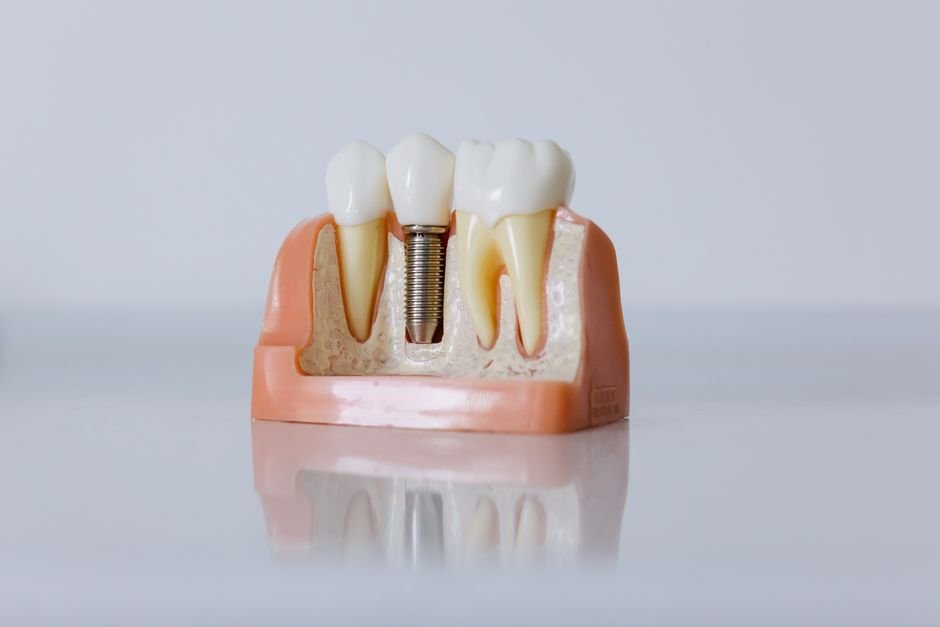
Root planing follows scaling and focuses on smoothing the surface of the tooth root itself. Rough patches on root surfaces give bacteria an easier foothold to cling to and multiply, so smoothing these areas makes it considerably harder for plaque to reaccumulate. Smoother roots also give the gum tissue a better chance to reattach snugly to the tooth, which helps close the pockets that formed as gum disease progressed.
Why Would a Dentist Recommend This Instead of a Regular Cleaning?
A routine cleaning is designed for teeth and gums that are generally healthy, focusing on removing surface plaque and light tartar before it causes problems. Once gum disease has developed, however, pockets form between the tooth and gum where bacteria can hide well below the reach of a standard cleaning. Continuing with only routine cleanings in this situation would leave those deeper deposits untouched, allowing the disease to keep progressing beneath the surface even if the visible parts of the teeth look clean.
A deep clean is specifically designed to interrupt this progression before it advances further, addressing the actual source of ongoing inflammation and infection rather than just the parts of the mouth that are easy to see. Dentists typically measure the depth of the pockets around each tooth using a small probe during a checkup, and pockets beyond a certain depth are one of the clearest indicators that a deep clean, rather than a routine cleaning, is the appropriate next step.
What Are the Early Signs That You Might Need One?
Bleeding gums during brushing or flossing are often the first noticeable sign that something beyond routine cleaning may be needed, particularly if the bleeding is persistent rather than occasional. Other early indicators include gums that appear red or swollen rather than a healthy pink, persistent bad breath that does not improve with normal brushing, and a sense that the gums have started to pull away slightly from the teeth, sometimes making teeth look longer than before.
Some people also notice increased sensitivity to hot or cold, or a change in how their bite feels, as gum recession and bone changes begin to shift the relationship between the teeth. None of these signs are cause for alarm on their own, but noticing several together is a good reason to bring them up at your next checkup rather than waiting for the next scheduled appointment.
Is the Procedure Uncomfortable?
Local anaesthetic is commonly used to numb the treatment area before a deep clean begins, particularly when a significant amount of tartar needs to be removed from below the gumline. This means most patients feel pressure or vibration rather than sharp pain during the appointment itself. For milder cases, some dentists may proceed without anaesthetic if the patient is comfortable, though this varies depending on individual sensitivity and the extent of the buildup.
Afterwards, it is common to experience some soreness, mild swelling, and increased sensitivity to temperature for a few days as the gums begin to heal. This typically resolves on its own, and any discomfort can usually be managed with over-the-counter pain relief if needed. Most people find the recovery period considerably milder than they expected going into the appointment.
How Many Appointments Does It Usually Take?
The number of appointments needed depends on how widespread the gum disease is and how much of the mouth requires treatment. Many dentists divide the mouth into sections, often treating one half at a time across two visits, which allows for a more thorough, unhurried approach in each session and gives the anaesthetic time to wear off evenly rather than numbing the entire mouth at once.
In milder cases affecting only a few areas, a single longer appointment may be sufficient. A follow-up visit is usually scheduled a few weeks after treatment to check how well the gums have healed and to measure whether pocket depths have reduced, which helps determine whether further treatment or simply more frequent maintenance cleanings going forward will be enough to keep things stable.
What Does Recovery and Aftercare Involve?
In the days following a deep clean, gentle brushing with a soft-bristled brush and careful flossing help protect the healing gum tissue without causing further irritation. Some dentists recommend a saltwater rinse or an antimicrobial mouthwash for a short period afterwards to support healing and reduce bacteria while the gums settle. Eating softer foods for a day or two can also help if the area feels tender.
It is important to avoid skipping oral hygiene during this recovery window, even though the gums may feel sensitive, since consistent gentle cleaning is part of what allows the tissue to reattach properly. Most people return to their normal oral care routine within a week, though your dentist will give specific guidance based on how extensive your particular treatment was.
Can Gum Disease Return After a Deep Clean?
A deep clean addresses the existing buildup and gives the gums a genuine chance to heal, but it does not permanently prevent gum disease from developing again if oral hygiene habits and regular maintenance slip afterwards. Bacteria naturally recolonise the mouth over time, and without consistent brushing, flossing, and professional maintenance cleanings, pockets can gradually reform in the same way they did originally.
This is why many dentists recommend more frequent maintenance cleanings, often every three to four months rather than the standard six, for patients who have undergone a deep clean. These more frequent visits allow any early signs of returning buildup to be caught and addressed well before the situation progresses back to needing another deep clean.
What Can You Do at Home to Protect the Results?
Consistent daily brushing and flossing remain the foundation of protecting the results of a deep clean, but a few additional habits can help specifically in the areas that were treated. Using an interdental brush or floss designed to reach slightly below the gumline can help maintain the smoother root surfaces created during treatment, and an antimicrobial mouthwash recommended by your dentist can provide extra support in the weeks following the procedure.
Avoiding tobacco use is particularly important, since smoking significantly impairs the gum’s ability to heal and increases the likelihood of gum disease returning. Attending every recommended maintenance appointment, even when the gums feel and look healthy, is one of the most effective ways to ensure the benefits of a deep clean last for years rather than months.
Frequently Asked Questions
How do I know if I need a deep clean or just a regular cleaning?
Your dentist determines this by measuring gum pocket depths during a checkup. Pockets beyond a certain depth typically indicate a deep clean is needed rather than a routine cleaning.
Will my gums bleed after a deep clean?
Some mild bleeding and soreness in the days following treatment is normal as the gums heal. It should gradually improve rather than worsen over time.
How long does the numbness from anaesthetic typically last?
Numbness usually wears off within a few hours after the appointment, similar to the timeline for a filling.
Can I go back to normal eating right after the procedure?
Softer foods are recommended for a day or two while the area feels tender, after which most people return to their usual diet without issue.
Is one deep clean enough to solve gum disease permanently?
It addresses the existing problem, but ongoing maintenance cleanings and consistent home care are needed to prevent gum disease from developing again.
Disclaimer: This article is for informational purposes only and does not constitute medical or dental advice. Always consult a qualified dental professional before making any decisions about your oral health or treatment options.