
When several teeth are missing, dental implants can replace them with a solution that looks, feels and functions much like natural teeth. Rather than fitting one implant per missing tooth in every case, dentists often use implant-supported bridges or full-arch appliances anchored by a smaller number of implants, giving a stable, long-lasting result without the …

When several teeth are missing, dental implants can replace them with a solution that looks, feels and functions much like natural teeth. Rather than fitting one implant per missing tooth in every case, dentists often use implant-supported bridges or full-arch appliances anchored by a smaller number of implants, giving a stable, long-lasting result without the bulk of a traditional denture.
Key takeaways
- Multiple missing teeth can often be replaced using just a few implants supporting a bridge or full-arch appliance, rather than one implant per gap.
- Implants fuse with the jawbone over several months, giving a stable foundation that helps preserve bone that would otherwise shrink.
- Good general health, adequate bone volume and healthy gums are the main factors that determine candidacy.
- Treatment is staged over months, but most people manage any discomfort with simple pain relief and a short recovery period.
- With proper cleaning and regular check-ups, implant-supported restorations can last for decades.
What Are Dental Implants and How Do They Replace Several Teeth?
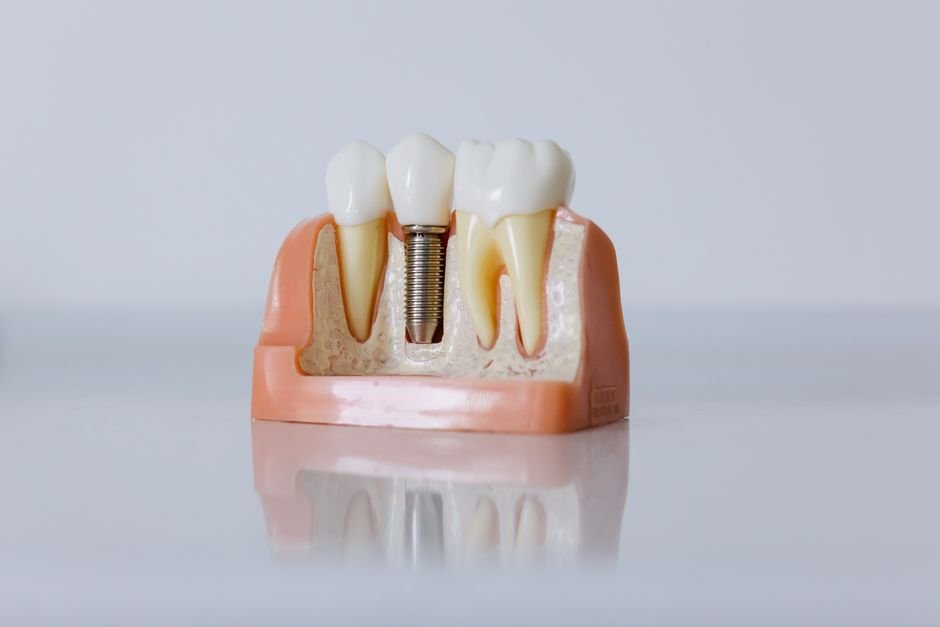
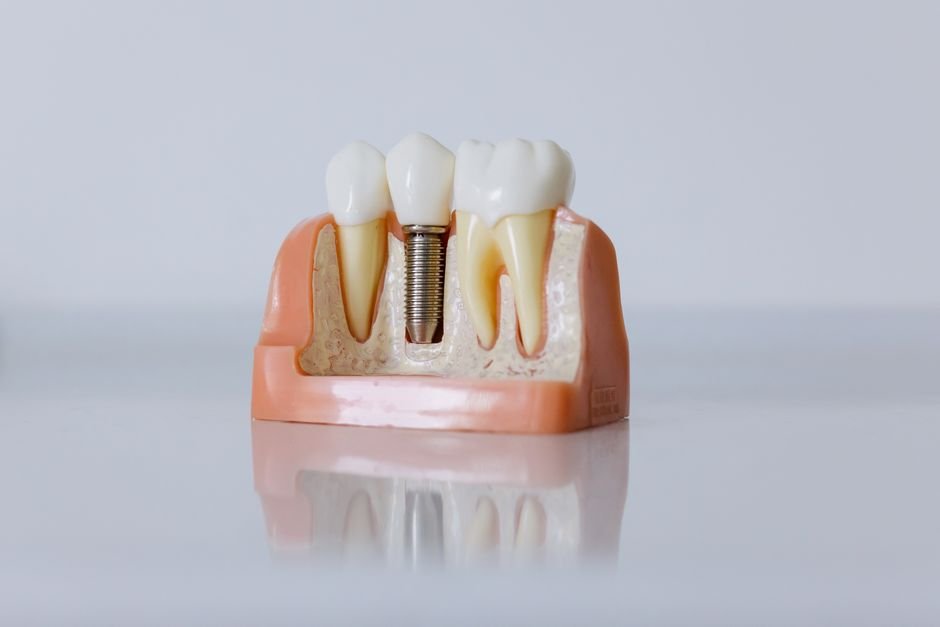
A dental implant is a small titanium or ceramic post that a dentist places into the jawbone, where it acts as an artificial tooth root. Over a period of healing, the bone gradually fuses to the surface of the implant in a process called osseointegration, creating a firm anchor. Once healed, an abutment and a crown, bridge or denture are attached on top, recreating the visible part of the tooth.
When multiple teeth are missing, it is rarely necessary to place an implant for every single gap. Instead, a dentist can position a limited number of implants at strategic points along the jaw and use them to support a bridge that spans several teeth, or a full-arch appliance that replaces an entire row. This approach reduces surgical time, cost and healing burden while still delivering a strong, fixed result that will not shift or click when eating or speaking.
How Does an Implant-Supported Bridge Work?
An implant-supported bridge is a set of connected artificial teeth fixed permanently onto two or more implants rather than being cemented onto natural teeth, as with a conventional bridge. This means neighbouring healthy teeth do not need to be filed down to hold the restoration in place, which helps preserve more of the patient’s natural tooth structure over the long term.
The number of implants needed depends on how many teeth are being replaced, the strength of the jawbone and the forces expected during chewing. A short span of three missing teeth might be supported by two implants, while a longer stretch may require three or four. The dentist plans this spacing carefully using scans and models so that the finished bridge distributes biting force evenly and comfortably.
What Is a Full-Arch Implant-Supported Restoration?
For patients missing most or all of the teeth in a jaw, a full-arch restoration replaces the entire row using a relatively small number of implants, often between four and six, positioned at angles that make the best use of available bone. A fixed bridge or a specially designed denture is then attached to these implants, restoring a complete, functional set of teeth.
This option is often considered by people who currently wear a full removable denture and are frustrated by looseness, sore spots or difficulty eating certain foods. Because the restoration is anchored to the jawbone rather than resting on the gums, it tends to feel far more secure and stable, and it also helps slow the bone loss that naturally continues after teeth are lost.
Who Is a Suitable Candidate for Multiple Dental Implants?
Good candidates generally have healthy gums, sufficient bone volume to support an implant, and manageable overall health. Conditions such as poorly controlled diabetes or heavy smoking can slow healing and increase the risk of complications, so these are usually discussed and, where possible, addressed before treatment begins. Age itself is rarely a barrier, provided the jaw has finished growing and general health allows for minor surgery.
Where bone has thinned following long-term tooth loss, a bone graft or sinus lift may be recommended before implants can be placed, adding extra healing time to the overall process. A thorough assessment, usually including a detailed scan of the jaw, allows the dentist to map out exactly how many implants are needed and where they should sit for the strongest, most predictable result.
What Does the Treatment Process Involve From Start to Finish?
Treatment usually begins with a consultation, x-rays and a three-dimensional scan to assess bone quality and plan implant positions precisely. If the jaw is ready, implants are placed under local anaesthetic, sometimes alongside sedation for patients who feel anxious. A healing period of a few months then allows the bone to fuse securely around each implant before any load is placed on it.
Once healing is confirmed, impressions or digital scans are taken to design the final bridge or denture, which is fitted and adjusted for comfortable bite alignment. Some cases allow a temporary set of teeth to be fitted on the same day as surgery, giving a functional appearance while the implants heal underneath. The exact timeline varies from person to person depending on bone condition and how many implants are involved.
How Do Multiple Implants Compare With Removable Dentures?
Removable dentures rest on the gums and can shift during eating or speaking, sometimes requiring adhesive to stay in place. Implant-supported options, by contrast, are fixed or firmly clipped in, so they behave far more like natural teeth and allow a wider variety of foods to be eaten comfortably, including harder or chewier items that dentures often struggle with.
Implants also help maintain the jawbone, because chewing forces are transmitted into the bone in a similar way to natural tooth roots, which encourages the bone to retain its shape and volume. Dentures sitting on the gum surface do not offer this stimulation, which is one reason why the jaw can continue to shrink and change shape over the years for denture wearers.
What Care and Maintenance Do Implant Restorations Need?
Implants themselves cannot decay, but the gum and bone around them can still be affected by inflammation if plaque is allowed to build up, a condition often called peri-implantitis. Daily brushing, along with specific tools such as interdental brushes or floss designed for bridges, helps keep the area around each implant clean and healthy.
Regular dental visits remain essential so the dentist can check the fit of the restoration, the health of the surrounding gum and the stability of each implant. With consistent home care and professional maintenance, implant-supported bridges and full-arch restorations can function well for many years, and some patients enjoy the same implants for the rest of their life.
What Risks or Complications Should Be Considered?
As with any surgical procedure, implant placement carries some risk, including infection, minor bleeding, swelling or, rarely, nerve irritation if an implant is positioned close to a nerve pathway. Careful planning using scans significantly reduces these risks by allowing the dentist to see the exact anatomy of the jaw before any surgery takes place.
Implant failure can occur if osseointegration does not proceed successfully, which is more likely in smokers or in people with poorly managed chronic conditions. Should this happen, the implant can often be removed and replaced once the site has healed. Choosing an experienced clinician and following aftercare instructions closely are two of the most effective ways to keep these risks low.
What Alternatives Exist If Implants Are Not Suitable Right Away?
For patients who are not yet ready for implants, whether due to insufficient bone, ongoing gum treatment or personal preference, a removable partial or full denture can serve as an interim or longer-term solution. A conventional fixed bridge supported by natural teeth is another option, though it does require the supporting teeth either side of the gap to be reshaped to hold the restoration securely.
Some patients choose to begin with a removable denture while bone grafting heals, then transition to an implant-supported restoration once the jaw is ready. Discussing the full range of options with a dentist, including the expected lifespan, comfort and maintenance needs of each choice, helps in reaching a decision that suits both current circumstances and longer-term goals for oral health and function.
Frequently Asked Questions
Do I need a separate implant for every missing tooth?
No. Multiple missing teeth can often be replaced using a bridge or full-arch appliance supported by only a few implants, spaced strategically along the jaw rather than one implant per gap.
Is the procedure painful?
Implant placement is carried out under local anaesthetic, so the procedure itself is not painful. Some swelling, tenderness or mild discomfort afterwards is normal and is generally well controlled with over-the-counter pain relief for a few days.
How long does it take before the final teeth are fitted?
Healing time varies, but several months are typically needed for the bone to fuse securely around the implants before the permanent bridge or denture is attached. Some cases allow temporary teeth to be worn during this healing phase.
What happens if I do not have enough bone for implants?
If bone volume is insufficient, a bone graft or sinus lift can rebuild the area before implants are placed. This adds extra healing time but allows many people who initially lack sufficient bone to still become suitable candidates.
How long do implant-supported bridges typically last?
With good oral hygiene, regular dental check-ups and avoidance of habits like smoking, implant-supported bridges and full-arch restorations can last for decades, and the implants themselves may function well for the rest of a person’s life.
Disclaimer: This article is for informational purposes only and does not constitute medical or dental advice. Always consult a qualified dental professional before making any decisions about your oral health or treatment options.