
Same day dental implants allow a titanium implant post and a temporary crown to be placed in a single appointment, rather than waiting months between surgery and final restoration. This is possible thanks to advances in digital imaging and same day fabrication technology, though not everyone is automatically a candidate for this faster approach. Understanding …

Same day dental implants allow a titanium implant post and a temporary crown to be placed in a single appointment, rather than waiting months between surgery and final restoration. This is possible thanks to advances in digital imaging and same day fabrication technology, though not everyone is automatically a candidate for this faster approach. Understanding exactly what happens during the appointment, and what the following months of healing involve, helps set realistic expectations before deciding whether this option is right for you.
Key takeaways
- Same day implants combine surgery and a temporary crown in one visit.
- Good jawbone density and gum health are needed to qualify.
- The final, permanent crown is still fitted several months later.
- Careful aftercare in the first few days protects the initial healing.
What Actually Happens on the Day of Treatment?
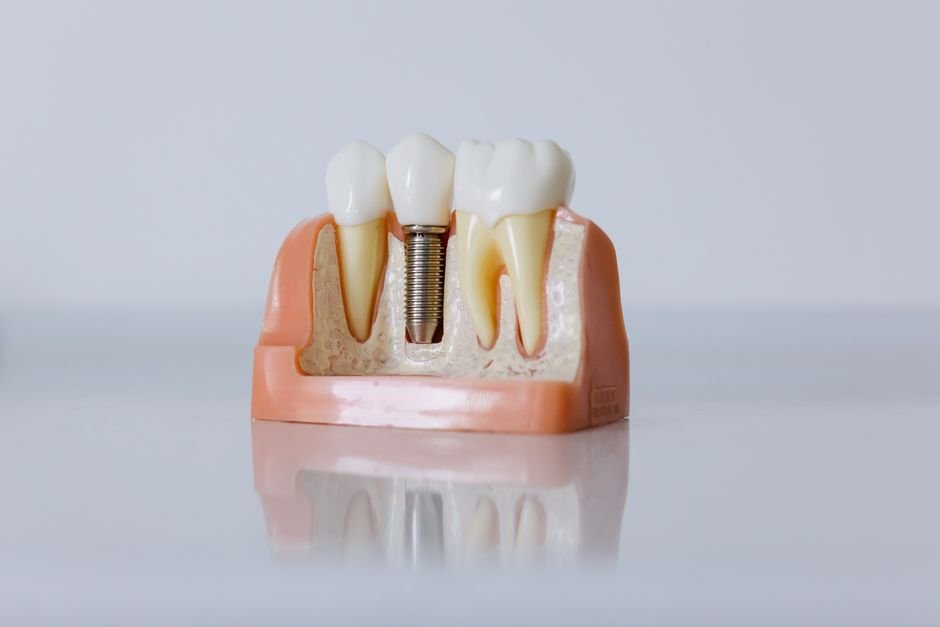
After the implant post is placed into the jawbone under local anaesthetic, a temporary crown is attached the same day using measurements taken beforehand or a digital scan completed during the appointment. This means you leave with a functional tooth rather than a gap while the implant heals underneath.
The temporary crown is designed to look natural and allow normal speaking and light eating, though it is not intended to withstand the same forces as the final restoration that comes later. The entire appointment, including planning, surgery, and fitting the temporary crown, typically takes a few hours depending on the complexity of the case.
Because so much of the planning happens before the day of surgery itself, using scans and imaging taken at earlier consultations, the actual appointment tends to run more predictably than people often expect from a surgical procedure.
Who Is a Good Candidate for Same Day Implants?
Not everyone qualifies for this approach. Same day implants generally require sufficient jawbone density to hold the implant securely from the very first day, along with healthy gum tissue and no active infection at the treatment site.
A thorough scan beforehand allows your dentist to confirm whether your jaw can support immediate loading, which is the technical term for placing a crown on the same day as the implant itself. Certain health conditions, such as poorly controlled diabetes or a history of heavy smoking, may also affect whether this faster approach is recommended.
Age itself is rarely the deciding factor, since candidacy depends far more on the specific condition of the bone and gum tissue than on how old the patient is at the time of treatment.
How Does This Differ From Traditional Implant Timelines?
Traditional implant treatment involves placing the implant, allowing it to heal and fuse with the bone for several months, and only then attaching a crown. Same day implants compress the visible part of this timeline by giving you a temporary tooth immediately, even though the underlying bone still needs the same amount of time to heal properly.
This means the convenience is mainly about avoiding a visible gap during healing, rather than shortening the biological healing process itself, which still follows its own timeline regardless of when the crown goes on. Some patients specifically choose the traditional route if they would rather avoid any load on the implant until it has fully fused, even if that means a temporary gap or removable option in the meantime.
What Does Recovery Look Like in the First Few Days?
Mild swelling, tenderness, and some bruising are common in the days following surgery, similar to other implant procedures. Sticking to soft foods and avoiding pressure on the treated area helps protect the implant while the bone begins to heal underneath the temporary crown.
Your dentist will usually schedule a follow up appointment shortly after to check healing progress and make sure the temporary crown is settling in comfortably. Most people find that any noticeable discomfort eases significantly within the first week, even though the underlying bone integration process continues quietly for months afterwards.
How Should You Care for the Temporary Crown?
Even though it is not the final restoration, the temporary crown still needs careful attention during the healing period. Avoiding hard, sticky, or particularly chewy foods on that side of the mouth reduces the risk of dislodging it or placing excess pressure on the healing implant underneath.
Gentle brushing around the area, along with any rinses your dentist recommends, helps keep the site clean without disturbing the healing tissue. If the temporary crown ever feels loose or uncomfortable, contacting your dentist promptly is always better than waiting to see if it settles on its own.
What Are the Advantages Beyond Convenience?
Beyond simply avoiding a visible gap, same day implants can also reduce the total number of surgical sessions required, since the implant placement and initial crown fitting happen together rather than across separate visits. For people managing busy schedules or travelling from further afield for treatment, this consolidation can be a meaningful practical benefit.
There can also be a psychological benefit to leaving the appointment with a functioning tooth in place, rather than a temporary removable option or a visible gap, particularly for implants replacing a front tooth where appearance matters most during the healing period.
What Should You Ask Before Choosing This Option?
Before committing to same day implants, it is worth asking your dentist directly about your individual bone density results, what would happen if the implant does not integrate as expected, and how the cost compares to the traditional staged approach at their specific practice. A confident, detailed answer to each of these questions is a good sign you are working with an experienced provider.
It is also reasonable to ask how many same day implant procedures the practice has performed, since experience with this specific technique can vary between providers even when both are otherwise well qualified in general implant dentistry.
When Is the Permanent Crown Fitted?
Once the implant has fully fused with the jawbone, typically after three to six months, the temporary crown is replaced with a custom made permanent one. This final crown is built to withstand normal biting forces long term, unlike the temporary version used immediately after surgery.
Following your dentist’s aftercare instructions closely during the healing period gives the implant the best chance of fusing properly, which ultimately protects the long term success of the entire treatment. The permanent crown appointment is generally quick, involving little more than removing the temporary crown and fitting the finished restoration.
How Common Is This Approach Becoming?
Same day implants have become increasingly available as digital scanning and same day fabrication equipment have become more common in general dental practices, rather than being limited to specialist implant centres. This has made the option more accessible for patients who meet the necessary criteria.
That said, availability still varies by location and practice, and not every dentist offering traditional implants will necessarily offer the same day approach, since it requires specific equipment and additional training beyond standard implant placement.
How Does Cost Compare to Traditional Implants?
Pricing for same day implants varies by practice and by the complexity of each case, much like traditional implant treatment. In some cases, consolidating the process into fewer visits can offset some of the additional planning and same day fabrication involved, though this is not universal and is worth discussing directly during your consultation.
It is generally more useful to compare the total cost of the full treatment journey, from initial consultation through to the final crown, rather than focusing only on the cost of the first appointment when weighing same day implants against the traditional staged approach.
Frequently Asked Questions
Is the temporary crown as strong as the final one?
No, the temporary crown is designed for light use while healing takes place, and the final permanent crown fitted later is built to handle normal biting forces long term.
Does same day implant surgery hurt more than the traditional method?
The surgical process itself is very similar either way, and both are carried out under local anaesthetic, so discomfort levels are generally comparable.
Can same day implants fail more often than traditional implants?
When patients are properly screened for adequate bone density and gum health beforehand, success rates for same day implants are comparable to the traditional staged approach.
How soon can I eat normally after same day implant surgery?
Soft foods are recommended for the first several days, with a gradual return to normal eating as your dentist confirms the area is healing well.
What happens if I am not a candidate for same day implants?
If your jawbone or gum health does not support immediate loading, your dentist will recommend the traditional staged approach, which remains a highly reliable option.
Disclaimer: This article is for informational purposes only and does not constitute medical or dental advice. Always consult a qualified dental professional before making any decisions about your oral health or treatment options.