
To choose between dental treatment options confidently, ask your dentist to explain the problem, every reasonable option including doing nothing, and the likely outcome of each in plain language. Compare the choices on how long they last, how much healthy tooth they preserve, cost over time rather than upfront price, the number of visits, and …

To choose between dental treatment options confidently, ask your dentist to explain the problem, every reasonable option including doing nothing, and the likely outcome of each in plain language. Compare the choices on how long they last, how much healthy tooth they preserve, cost over time rather than upfront price, the number of visits, and how they fit your health and lifestyle. A good decision balances the clinical evidence with your own priorities. If anything is unclear or feels rushed, it is reasonable to take notes home, ask questions, or seek a second opinion.
Key takeaways
- Ask for all reasonable options, including monitoring, not just the recommended one.
- Compare longevity, tooth preservation, total cost, and number of visits, not headline price alone.
- Understand what happens if you delay or decline treatment.
- Match the choice to your health, budget, and how much maintenance you can commit to.
- Taking time to think or seeking a second opinion is normal and appropriate.
Why are there often several options for one problem?
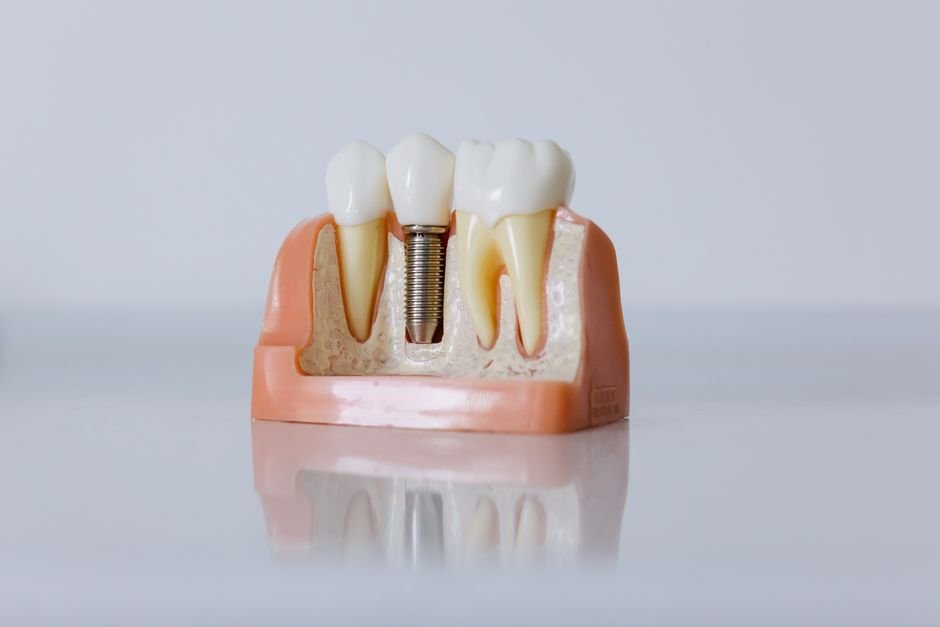
Dentistry rarely offers a single correct answer. A missing tooth might be replaced with an implant, a bridge, or a denture, or sometimes left alone if the gap is not causing problems. A damaged tooth might be repaired with a filling, an onlay, a crown, or extracted. Each option sits at a different point on a scale of cost, invasiveness, durability, and maintenance.
The right choice depends on factors that vary from person to person: the condition of the neighbouring teeth, gum and bone health, general medical history, budget, and how much future upkeep someone is willing to take on. Your dentist can tell you which options are clinically sound for your mouth, but ranking them involves your values too. That is why the conversation matters as much as the examination.
What questions should you ask your dentist?
Start with the problem itself: what exactly is wrong, how urgent is it, and what caused it. Then ask for every reasonable option, including the option of watchful waiting, and what each one involves in practical terms. Useful follow-ups include how long each option typically lasts, how much natural tooth is removed, what maintenance it needs, and what the likely consequence is of doing nothing for six or twelve months.
Also ask what the dentist would choose in your position and why. Their reasoning often reveals the trade-offs more clearly than a list of procedures. If a treatment is recommended, ask what could go wrong, how common that is, and what the backup plan would be. Writing the answers down, or bringing someone with you, helps you review the discussion calmly afterwards.
How do you weigh cost against long-term value?
The cheapest treatment today is not always the least expensive over ten years. A lower-cost option that needs replacing sooner, or that leads to further problems in nearby teeth, can cost more in total than a higher-priced option that lasts. Ask your dentist for a realistic lifespan for each choice and think about the cost per year rather than the cost per appointment.
That said, budget is a legitimate factor and there is no shame in choosing a more affordable route. If money is tight, say so directly. Your dentist may be able to stage treatment over time, prioritise the most urgent tooth, or suggest a solid interim option. What matters is making an informed choice with the full picture, not feeling pushed toward the most expensive plan or hiding a constraint that affects the outcome.
Why does preserving natural tooth structure matter?
Natural tooth is stronger and better connected to the jaw than any replacement. Once enamel and dentine are removed, they do not grow back, and each intervention tends to make the next one more likely. A conservative option that keeps more tooth, even if it needs revisiting sooner, can be preferable to an aggressive one that commits you to a lifelong sequence of restorations.
When comparing options, ask how much tooth each one removes and whether a less invasive choice is reasonable now with the option to escalate later. Sometimes the more definitive treatment genuinely is the better long-term call, for example a crown on a cracked tooth. The point is to make that trade-off deliberately, understanding what is being given up in exchange for durability.
How should your health and lifestyle influence the decision?
Medical conditions, medications, smoking, and gum health all affect how well certain treatments work. Some options heal less predictably in people with poorly controlled diabetes or those who smoke. If you struggle to attend regular maintenance visits, a treatment that depends on frequent professional cleaning may not be the wisest choice. Be honest about your habits so the recommendation fits your real life.
Lifestyle matters in everyday ways too. Consider how many appointments you can attend, whether you can manage a period with a temporary restoration, how you feel about removable versus fixed solutions, and how important appearance is to you for a particular tooth. A treatment that is clinically excellent but impractical for your circumstances is not the right treatment.
When is it sensible to get a second opinion?
A second opinion is reasonable whenever a treatment is major, irreversible, or expensive, when you have been given very different plans by different dentists, or when something simply does not sit right. Seeking one is a normal part of healthcare and a professional dentist will not be offended. Bring your X-rays and notes so the second dentist does not have to repeat everything.
A second opinion is especially worthwhile before extractions, implants, multiple crowns, or full-mouth treatment. It can confirm the first plan, offer a less invasive alternative, or clarify why the recommended approach is best. Even when both dentists agree, hearing the reasoning twice often makes patients far more confident in going ahead.
What if you feel pressured or rushed?
Genuine dental emergencies, such as severe infection or a knocked-out tooth, do need prompt action. Most decisions, though, can wait days or weeks while you think. If you feel hurried into signing up for treatment the same day, it is reasonable to say you would like to consider it and book a follow-up. Discomfort with the pace is a valid reason to pause.
Be cautious of pressure to commit immediately to costly elective work, or of being told a limited-time discount applies. Sound dental advice does not expire in 48 hours. A trustworthy practice will give you written information, a clear estimate, and space to decide. If that is not offered, that itself is useful information about whether to proceed there.
How do you make the final call?
Once you have the options, their lifespans, their costs, and their trade-offs, narrow the list to those that are clinically appropriate and financially possible for you. Then rank them by what you care about most: keeping natural tooth, avoiding future work, minimising visits, appearance, or cost. The option that scores well on your top priorities and carries acceptable risk is usually your answer.
If two options are close, ask your dentist to break the tie based on your specific mouth. Trust the process rather than searching endlessly for certainty; every treatment carries some risk, and a well-reasoned choice made with good information is what confidence actually looks like. Once you decide, follow the aftercare advice closely, since that has a large effect on how well any treatment turns out.
Frequently Asked Questions
Is it rude to ask my dentist about alternative treatments?
No. Asking about alternatives is a normal and sensible part of making a decision, and most dentists welcome it because informed patients tend to be happier with their care. If a dentist is dismissive of reasonable questions or unwilling to explain the options, that is a reason to consider seeking care elsewhere.
How long can I safely take to decide?
It depends on the problem. Active infection, significant pain, or trauma needs prompt attention, often within days. Stable issues such as a small cavity, a worn filling, or planning to replace a long-missing tooth can usually wait weeks while you consider your options and gather information. Ask your dentist how time-sensitive your particular situation is.
Should I always choose the option that lasts longest?
Not necessarily. Longevity is important, but so is how much healthy tooth an option preserves, what it costs over time, and whether it suits your health and lifestyle. Sometimes a longer-lasting treatment removes more tooth or costs more than is justified. Weigh durability alongside your other priorities rather than treating it as the only factor.
What if I cannot afford the recommended treatment?
Tell your dentist directly. They can often stage treatment over months, treat the most urgent tooth first, or suggest a more affordable option that is still clinically sound. An honest conversation about budget leads to a better plan than silently declining care or choosing something that will not hold up.
Does a second opinion mean I distrust my dentist?
No. Second opinions are routine for major or costly treatment and are a standard part of healthcare decision-making. A confident, professional dentist understands this and will share your records to help. Often a second opinion confirms the original plan and simply leaves you more assured about proceeding.
Disclaimer: This article is for informational purposes only and does not constitute medical or dental advice. Always consult a qualified dental professional before making any decisions about your oral health or treatment options.