
Preventive dental care, including routine checkups, cleanings, and early intervention, consistently costs far less than treating advanced problems after they develop. A small cavity caught early might need a simple filling, while the same cavity left untreated can eventually require a root canal, a crown, or even extraction and replacement, each step adding significantly more …
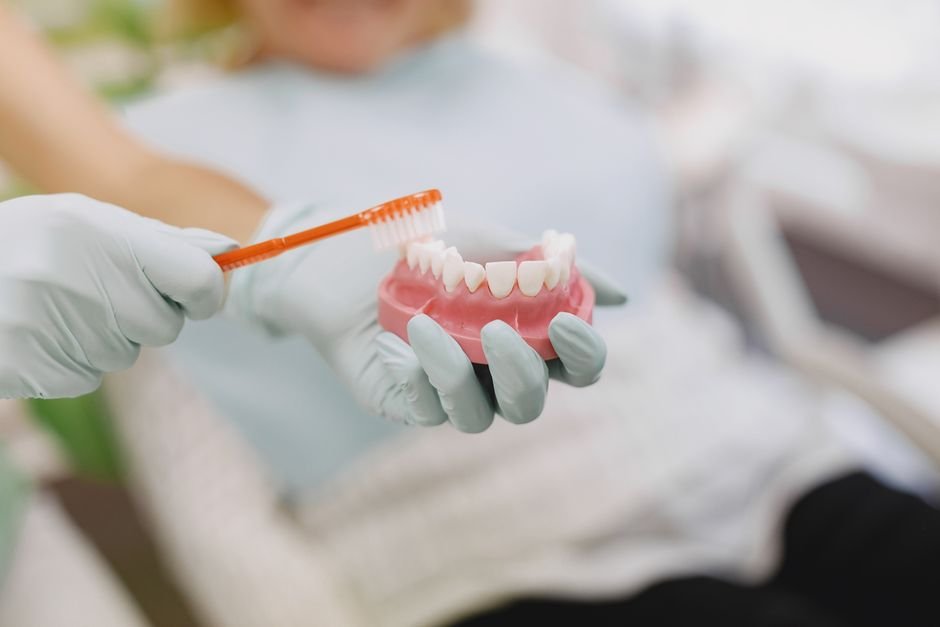

Preventive dental care, including routine checkups, cleanings, and early intervention, consistently costs far less than treating advanced problems after they develop. A small cavity caught early might need a simple filling, while the same cavity left untreated can eventually require a root canal, a crown, or even extraction and replacement, each step adding significantly more cost than the last.
Key takeaways
- Small dental problems caught early are almost always cheaper and simpler to treat.
- Skipping checkups often leads to issues progressing silently until they become urgent and costly.
- Preventive care includes both professional visits and consistent daily habits at home.
- Gum disease, if caught early, is far less expensive to manage than advanced periodontal treatment.
- Preventive habits also help preserve natural teeth, avoiding costlier long-term replacement options.
How Does a Small Cavity Turn Into an Expensive Problem?
Tooth decay progresses in stages, and each stage typically requires a more involved and costly intervention than the one before it. A cavity caught while still confined to the enamel or early dentin can often be treated with a straightforward filling, a relatively quick and affordable procedure.
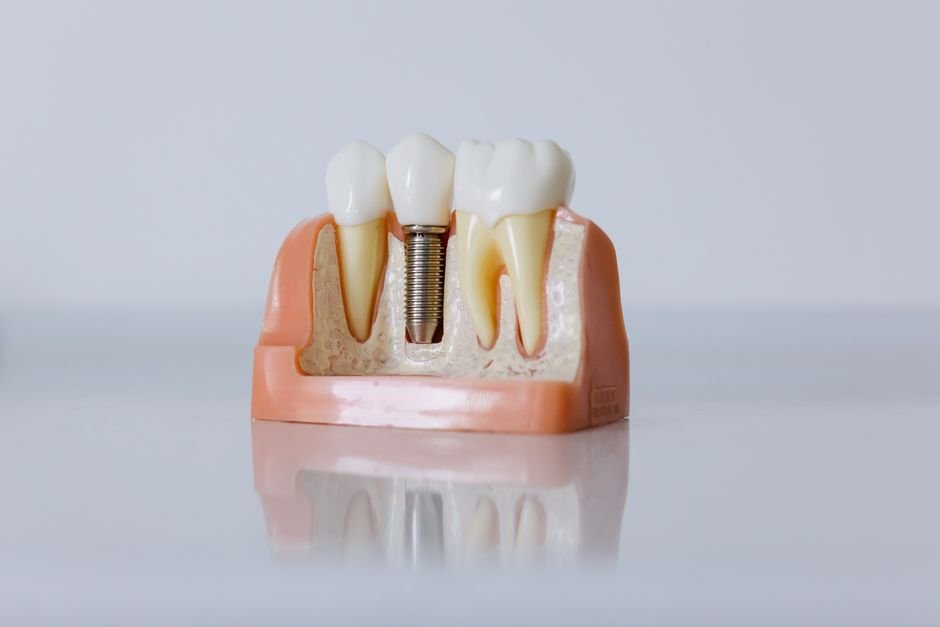
Left untreated, that same decay continues to spread deeper into the tooth, eventually reaching the nerve and requiring root canal treatment, followed by a crown to protect the weakened tooth structure. In the most advanced cases, the tooth may become unsalvageable altogether, requiring extraction and a replacement option such as a bridge or implant. Each stage represents a meaningful jump in both cost and complexity compared to catching the problem early.
Why Do Regular Checkups Catch Problems Before They Become Costly?
Many dental problems, including early cavities and the initial stages of gum disease, produce few or no noticeable symptoms in their early phases. A dentist examining teeth and gums during a routine checkup can often identify these issues through visual examination, probing, and X-rays long before a patient would notice anything themselves.
This early detection is precisely what makes routine checkups so cost-effective over time. A problem identified and treated at its earliest stage is almost always simpler and cheaper to address than the same problem discovered later, once it has had time to progress and cause additional damage to surrounding structures.
How Does Gum Disease Progression Affect Long-Term Costs?
Gum disease follows a similarly staged progression, starting with gingivitis, an early and reversible form of gum inflammation, and potentially advancing to periodontitis, a more serious condition that can cause permanent damage to the tissue and bone supporting the teeth if left unmanaged.
Gingivitis is typically manageable with improved home hygiene and a professional cleaning, representing a relatively low-cost intervention. Periodontitis, by contrast, often requires more intensive treatment such as deep cleaning procedures, and in advanced cases can contribute to tooth loss, which then introduces the further cost of replacement options. Catching gum disease at the gingivitis stage avoids this entire escalation.
What Role Do Professional Cleanings Play in Preventing Costly Treatment?
Professional cleanings remove hardened tartar buildup that ordinary brushing and flossing cannot address at home, along with plaque that has accumulated in areas that are difficult to reach with a toothbrush alone. This regular removal helps prevent the kind of gum inflammation and early decay that can otherwise develop unnoticed between visits.
Beyond the cleaning itself, these visits give a dental hygienist and dentist a regular opportunity to monitor changes in the mouth over time, comparing current conditions to previous visits. This ongoing monitoring is part of what makes preventive care so effective at catching subtle changes before they develop into problems requiring more significant treatment.
Does Preventive Care Really Reduce the Need for Major Restorative Work?
Yes, and this is one of the clearest financial arguments for consistent preventive care. Major restorative work, such as crowns, root canals, and implants, is almost always addressing damage that could have been caught and managed at a much earlier, less invasive stage through regular monitoring and good daily habits.
This does not mean every restorative procedure is avoidable, since some dental issues arise despite excellent preventive care. However, across large populations and over long timeframes, consistent preventive care is strongly associated with a meaningfully reduced need for extensive restorative treatment compared to irregular or absent dental visits.
How Do Daily Habits at Home Factor Into the Cost Equation?
Preventive care extends well beyond the dental chair. Daily brushing with fluoride toothpaste, regular flossing, and mindful eating habits all reduce the ongoing bacterial and acid challenge that teeth face every day, directly lowering the likelihood of new decay or gum inflammation developing between professional visits.
These home habits and professional care work together rather than independently. Someone who maintains excellent home hygiene but skips checkups may still miss developing issues that only a professional examination can catch, while someone who attends regular checkups but neglects daily care places unnecessary strain on their preventive visits to manage a much heavier bacterial load.
What Is the Long-Term Cost Difference Between Natural Teeth and Replacements?
Preserving natural teeth through preventive care is almost always more cost-effective than the alternative path of tooth loss followed by replacement options such as bridges, dentures, or implants. Replacement options, while effective at restoring function and appearance, typically involve significantly higher upfront costs than maintaining a natural tooth would have required.
Replacements can also come with their own ongoing maintenance needs and, in some cases, a finite lifespan requiring eventual replacement themselves. Every natural tooth preserved through consistent preventive care avoids this entire additional cost pathway, reinforcing why prevention tends to be the more economical long-term strategy.
Are There Hidden Costs to Skipping Dental Visits Beyond Treatment Fees?
Beyond the direct cost of eventual treatment, delaying dental care can introduce additional indirect costs, including time away from work for more extensive procedures, the discomfort and disruption of dealing with a dental emergency, and sometimes the need for multiple appointments to address a problem that could have been resolved in a single visit if caught earlier.
Dental emergencies in particular tend to be both more expensive and more disruptive than scheduled preventive care, often requiring urgent appointments and sometimes more complex treatment simply because the problem was allowed to progress to a painful or urgent stage before being addressed.
How Often Should Preventive Visits Happen to Maximise the Cost Benefit?
Most dental professionals recommend checkups and cleanings roughly twice a year for most patients, though the ideal frequency can vary based on individual risk factors such as gum disease history, decay rate, and other personal health considerations that a dentist will factor into their recommendation.
Sticking consistently to whatever schedule a dentist recommends, rather than skipping visits when things feel fine, is what allows preventive care to deliver its full cost-saving potential. The value of prevention comes specifically from catching issues before symptoms appear, which only works if visits happen on a regular, ongoing basis rather than reactively.
How Does Preventive Care Compare Across Different Life Stages?
The specific focus of preventive care naturally shifts across a lifetime, from sealants and fluoride treatments protecting developing teeth in childhood, to managing wear, gum health, and older restorations in later adulthood. In every stage, the underlying principle remains the same: consistent, proactive attention tends to be far less costly than reactive treatment after a problem has developed.
Thinking of preventive care as a lifelong practice, rather than something that matters most during any single period, helps reinforce its value as a long-term financial strategy. Each stage of life carries its own preventable risks, and staying engaged with regular dental visits throughout adulthood consistently pays off compared to treating dental care as optional once symptoms are absent.
Frequently Asked Questions
How much cheaper is a filling compared to a root canal?
While exact costs vary, a simple filling is consistently far less expensive than a root canal followed by a crown, which is often needed once decay has progressed to affect the tooth’s nerve.
Can gum disease really be reversed if caught early?
Yes, the earliest stage of gum disease, gingivitis, is generally reversible with improved home hygiene and professional cleaning, whereas more advanced periodontitis often requires more intensive and costly treatment.
Is it worth paying for checkups if I don’t have any symptoms?
Yes, many dental problems produce no noticeable symptoms in their early stages, which is exactly why routine checkups are valuable, allowing issues to be caught and treated before they progress further.
Do preventive visits really reduce the chance of needing an implant later?
Consistent preventive care significantly reduces the risk factors that commonly lead to tooth loss, such as untreated decay and advanced gum disease, which in turn reduces the likelihood of needing implants or other replacements.
What is the most cost-effective dental habit I can start today?
Consistent brushing and flossing combined with keeping up with recommended checkup intervals is the most cost-effective combination, since it addresses both daily prevention and early professional detection together.
Disclaimer: This article is for informational purposes only and does not constitute medical or dental advice. Always consult a qualified dental professional before making any decisions about your oral health or treatment options.