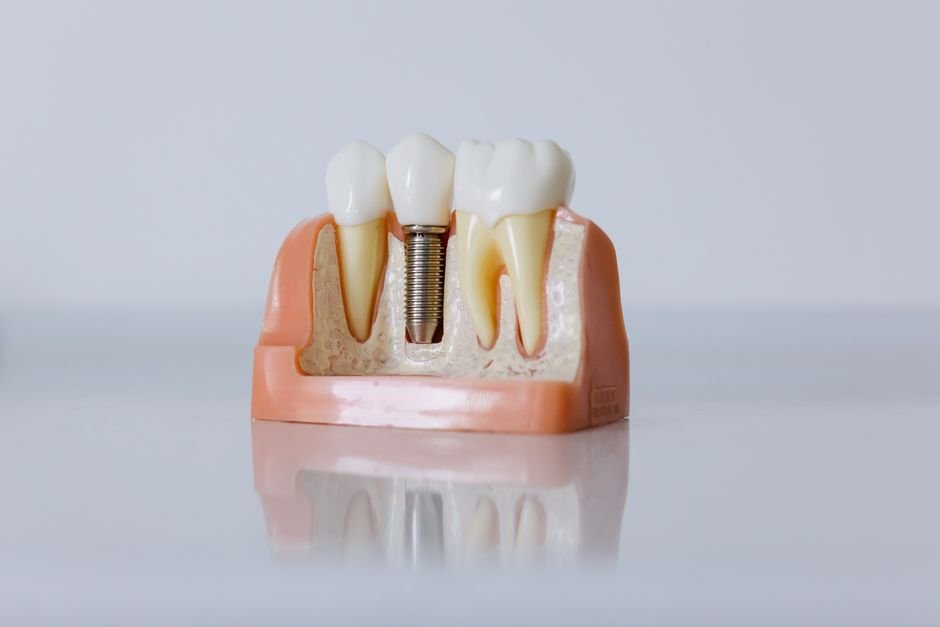

Healthy gums are one of the biggest deciding factors in whether a dental implant lasts for decades or fails within a few years, because the gum tissue forms the seal that keeps bacteria away from the bone anchoring the implant. Without firm, disease-free gums surrounding it, an implant loses the protective barrier it depends on, …

Healthy gums are one of the biggest deciding factors in whether a dental implant lasts for decades or fails within a few years, because the gum tissue forms the seal that keeps bacteria away from the bone anchoring the implant. Without firm, disease-free gums surrounding it, an implant loses the protective barrier it depends on, making infection and bone loss far more likely. In short, an implant is only as stable as the tissue that surrounds it.
Key takeaways
- Healthy gum tissue creates the seal that protects the bone supporting a dental implant.
- Untreated gum disease before surgery significantly raises the risk of implant failure.
- Peri-implantitis, a gum infection around implants, is the leading cause of long-term implant loss.
- Daily cleaning around the implant is different from cleaning natural teeth and needs specific tools.
- Regular professional check-ups allow early gum problems to be caught before they threaten the implant.
Why Does Gum Health Matter Before Implant Placement?
Before an implant is even placed, the condition of the gums determines whether the site is ready for surgery. Inflamed or infected gum tissue harbours bacteria that can spread to the surgical site, interfering with healing and increasing the chance of early implant failure. A dentist will usually treat any active gum disease first, bringing the tissue back to a calm, healthy state before recommending implant surgery, because operating on compromised tissue sets the whole process up for difficulty.
Healthy gums also indicate healthy underlying bone, since the two tissues are closely linked. Gum disease that has been present for a long time often erodes the bone beneath it, leaving too little volume to support an implant securely. Addressing gum health early can also reveal whether bone grafting will be needed. Starting implant treatment on a foundation of healthy tissue gives the entire process a much stronger chance of long-term success.
What Happens to Gum Tissue During the Healing Process?
After an implant is placed, the surrounding gum tissue begins a healing process that is just as important as the bone fusing around the implant itself. Soft tissue needs to close snugly around the implant post to form a protective cuff, similar to the way gum tissue hugs a natural tooth. This seal blocks bacteria and food particles from reaching the deeper structures, so any delay or disruption in soft-tissue healing can leave the area vulnerable during a critical window.
Swelling and mild tenderness are normal in the days following surgery, but healthy healing should show steady improvement rather than worsening symptoms. Following aftercare instructions, including gentle rinsing and avoiding disturbance of the surgical site, supports the gums as they knit back together. Smoking, poor nutrition, or uncontrolled underlying health conditions can all slow this healing, which is why lifestyle factors are often discussed alongside the surgical plan.
What Is Peri-Implantitis and Why Does It Matter?
Peri-implantitis is an inflammatory condition affecting the gum and bone around a dental implant, and it is widely recognised as the leading cause of implant failure once the healing period has passed. It begins as peri-implant mucositis, a milder inflammation confined to the soft tissue, which can be reversed with improved cleaning and professional care. Left untreated, however, it can progress to affect the bone, gradually loosening the implant’s foundation.
Unlike a natural tooth, an implant has no periodontal ligament to provide early warning signs such as sensitivity, which means peri-implantitis can advance with fewer noticeable symptoms in its early stages. Patients may notice gum redness, minor bleeding when brushing, or a change in how the gum sits around the implant. Because the condition tends to progress more quickly around implants than gum disease does around natural teeth, catching it early through routine review is particularly valuable.
How Does Existing Gum Disease Affect Implant Success Rates?
Patients with a history of gum disease are statistically more likely to experience complications with dental implants than those with consistently healthy gums. This is largely because the bacteria associated with gum disease can colonise the tissue around an implant just as readily as they do around natural teeth, and a patient prone to gum inflammation in one area of the mouth is often prone to it elsewhere too. This does not rule implants out, but it does change how carefully the case needs to be managed.
For these patients, a period of active gum treatment and stabilisation is usually recommended before implant surgery proceeds. Ongoing supportive care afterwards, often with shorter intervals between check-ups, helps keep inflammation under control. With disciplined maintenance, many people with a past history of gum disease still achieve excellent, long-lasting implant outcomes, though it typically requires more consistent effort than for someone who has never had gum problems.
What Oral Hygiene Habits Best Protect an Implant?
Caring for an implant is similar to caring for natural teeth in some ways, but it also has its own requirements. Brushing twice daily with a soft-bristled or electric brush remains essential, angled carefully to clean along the gumline where the implant emerges. Because plaque can build up in the small gap between the implant and the gum just as it does around a natural tooth, thorough but gentle brushing in this area is one of the most protective daily habits available.
Interdental cleaning is equally important, and many people benefit from tools designed specifically for implants, such as soft interdental brushes, floss designed to slide under a bridge or crown, or a water flosser. These tools reach areas a toothbrush cannot, removing plaque before it hardens and irritates the gum. Avoiding harsh scrubbing, using a non-abrasive toothpaste, and steering clear of tobacco all further support the health of the tissue surrounding the implant.
How Often Should Implants Be Checked After Placement?
Routine professional review is one of the most effective ways to protect an implant over the long term, because early gum changes are often easier to spot with trained eyes and specialised instruments than they are to notice at home. Most dental professionals recommend check-ups at least twice a year, though patients with a history of gum disease or other risk factors may be advised to attend more frequently so that any inflammation can be addressed before it progresses.
These appointments typically involve checking the depth of the tissue around the implant, looking for bleeding or swelling, and assessing the implant’s stability. Professional cleaning removes hardened deposits that home care cannot reach, particularly around the base of the implant crown. Skipping these reviews removes an important safety net, since peri-implantitis can develop quietly and is far easier to manage when caught in its earliest, most reversible stage.
Can Gum Recession Affect the Appearance and Function of an Implant?
Gum recession around an implant can affect both how it looks and how well it functions. When gum tissue pulls back, it can expose the metal collar of the implant beneath the crown, creating a visible line that looks different from a natural gumline. This is particularly noticeable around the front teeth, where aesthetics matter most, and it is one of the reasons gum health is considered before implant placement in visible areas of the smile.
Recession can also expose more of the implant surface to the oral environment, making it easier for plaque to accumulate in areas that are harder to clean effectively. Thinner gum tissue is generally more prone to recession, which is why some patients benefit from a soft-tissue graft either before or alongside implant placement to build a more resilient band of gum. Maintaining healthy, well-supported gum tissue from the outset reduces the likelihood of recession developing later.
How Are Gum Health and Bone Health Connected Around an Implant?
Gum tissue and the bone beneath it work as a single support system for a dental implant, and problems in one area rarely stay isolated for long. Healthy gum tissue acts as a barrier that shields the bone from bacterial exposure, while healthy bone gives the gum tissue a firm structure to attach to. When gum inflammation is left unmanaged, bacteria and inflammatory byproducts can travel below the gumline and begin to affect the bone that anchors the implant.
This is why implant assessments typically involve evaluating both soft tissue and bone density rather than looking at either in isolation. Bone loss around an implant is often preceded by gum inflammation, making the gums something of an early warning system when they are monitored consistently. Supporting both tissues through good hygiene, balanced nutrition, and regular professional care gives an implant the best possible long-term foundation.
What Lifestyle Factors Influence Gum Health Around Implants?
Certain everyday habits have an outsized influence on how well gum tissue holds up around a dental implant. Tobacco use is one of the most significant risk factors, as it restricts blood flow to the gums, slows healing, and masks early warning signs like bleeding because it constricts the blood vessels that would otherwise reveal inflammation. This can allow problems to progress further before they become noticeable, making tobacco cessation one of the most valuable steps a patient can take.
Diet, stress, and general health also play a role, since conditions affecting blood sugar or immune response can influence how the gums respond to bacteria and how efficiently they heal. A diet lower in sugary and processed foods reduces the fuel available to bacteria that irritate gum tissue. Staying well hydrated and eating a varied, nutrient-rich diet supports tissue repair, giving the gums a better chance of remaining resilient around an implant for years to come.
Frequently Asked Questions
Can a dental implant fail because of gum problems even years after it was placed?
Yes. Peri-implantitis can develop long after an implant has healed and settled, often gradually and without dramatic symptoms in its early stages. This is why ongoing gum care and regular professional check-ups remain important for the entire life of the implant, not just during the initial healing period.
Is it possible to get a dental implant if someone currently has gum disease?
Active gum disease is generally treated and stabilised before implant surgery is carried out, since operating on inflamed tissue increases the risk of complications. Once the gums are healthy and any underlying bone loss has been assessed, implant placement can usually proceed with a much stronger chance of success.
What are the earliest signs of gum trouble around an implant?
Early signs often include gum redness, slight puffiness, or bleeding when brushing or using interdental tools around the implant. Some people also notice a change in how firm the gum feels or a mild odour. These signs are worth reporting promptly, since early-stage inflammation is far easier to reverse than advanced peri-implantitis.
Does flossing around an implant really make a difference?
Yes, cleaning around an implant with floss, an interdental brush, or a water flosser removes plaque from areas a toothbrush cannot reach, particularly just beneath the gumline. Since plaque buildup is the main trigger for gum inflammation around implants, consistent interdental cleaning is one of the most effective habits for protecting long-term success.
How long does it take for gum tissue to fully heal around a new implant?
Soft tissue generally forms its protective seal around an implant within a few weeks, although complete healing and maturation of the gum can continue for a couple of months. The surrounding bone typically takes longer to fully integrate, which is why follow-up appointments are scheduled to confirm both tissues have healed as expected before the final restoration is fitted.
Disclaimer: This article is for informational purposes only and does not constitute medical or dental advice. Always consult a qualified dental professional before making any decisions about your oral health or treatment options.