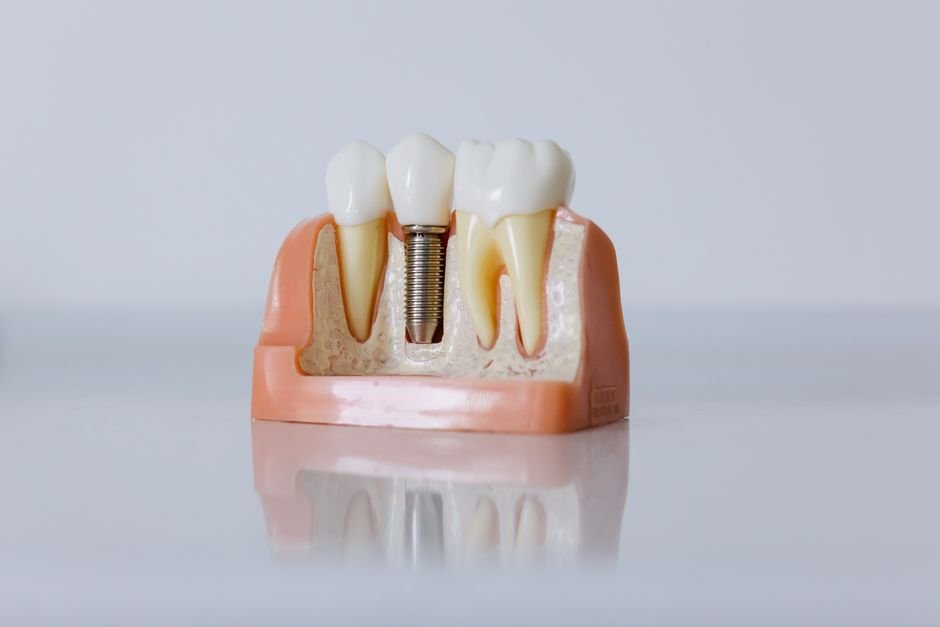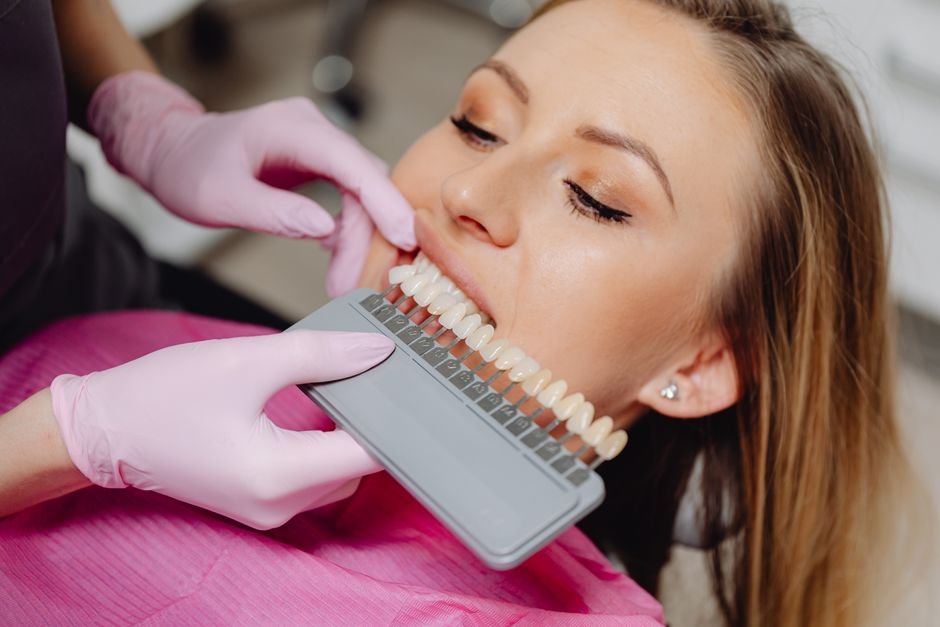

Restorative dental treatments do more than repair what’s already broken; they stop existing damage from spreading further into a tooth or across the surrounding teeth. A small cavity left untreated doesn’t stay small, and a chipped tooth left unprotected often develops new fractures under normal biting pressure. Understanding restorative work as prevention, not just repair, …
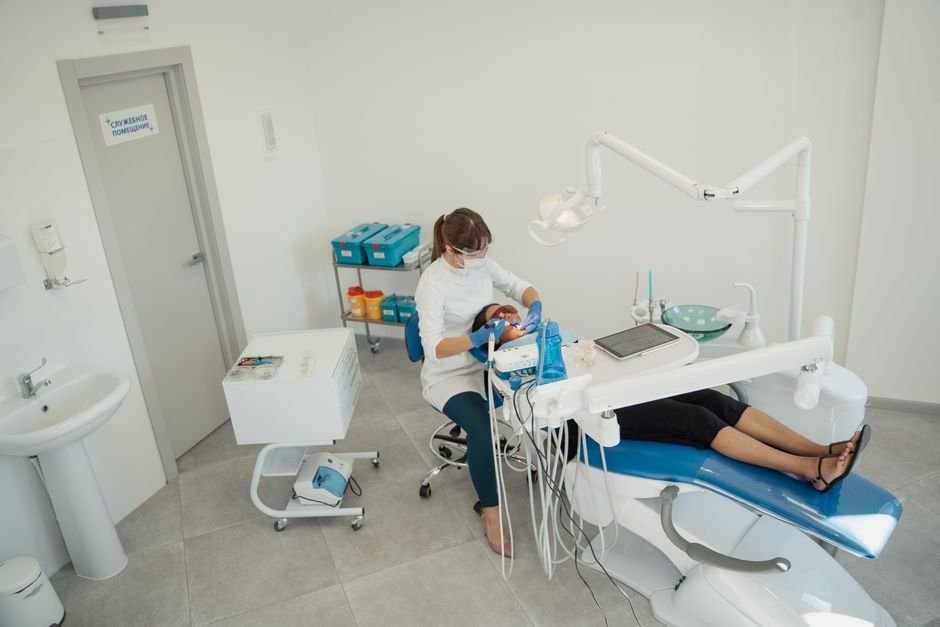

Restorative dental treatments do more than repair what’s already broken; they stop existing damage from spreading further into a tooth or across the surrounding teeth. A small cavity left untreated doesn’t stay small, and a chipped tooth left unprotected often develops new fractures under normal biting pressure. Understanding restorative work as prevention, not just repair, changes how it’s easy to think about the value of addressing dental issues early.
Key takeaways
- Restorative treatments seal off damaged areas, stopping decay or fractures from spreading further.
- Delaying restorative work often leads to more invasive and costly treatment later.
- Fillings, crowns and other restorations also help distribute biting force more evenly.
- Untreated damage to one tooth can affect neighbouring teeth and the overall bite.
- Regular checkups catch damage early, when restorative options are simplest and most effective.
Why Does Untreated Damage Tend to Get Worse?
Once the protective enamel layer of a tooth is compromised, whether by decay or a physical fracture, the softer, more vulnerable layers underneath are exposed to bacteria and everyday biting forces. These inner layers don’t have the same resistance as enamel, so damage that starts small tends to progress more quickly once this barrier is broken.
Bacteria that cause decay also thrive in the tiny crevices created by early damage, since these areas are harder to clean effectively with normal brushing. This creates a cycle where the damaged area becomes an easier target for further decay, which is why restorative treatment aims to interrupt this progression as early as possible.
How Do Fillings Stop Decay From Spreading?
A filling removes decayed tooth material and seals the resulting space with a durable material, effectively closing off the pathway that allowed bacteria to keep attacking the tooth from within. Without this seal, decay would continue to spread deeper into the tooth, eventually reaching the nerve and requiring far more extensive treatment.
Beyond stopping the immediate spread of decay, a well-placed filling also restores the tooth’s original shape, which helps it function normally during chewing. This even distribution of biting force reduces the risk of new cracks forming around a weakened area of the tooth.
What Role Do Crowns Play in Preventing Further Damage?
Crowns are typically used when a tooth has lost enough structure that a filling alone wouldn’t provide adequate support. By covering the entire visible portion of the tooth, a crown redistributes biting force across a stable outer shell rather than concentrating stress on a weakened area that could otherwise crack or break further.
This protective function is particularly important for teeth that have undergone previous treatment, such as a root canal, where the tooth’s internal structure has already been altered. A crown acts as a durable shield, significantly reducing the risk of the tooth fracturing under normal use.
How Does a Cracked Tooth Worsen Without Treatment?
A crack that starts as a minor surface issue can extend deeper into the tooth over time, particularly under the repeated pressure of daily chewing. As the crack progresses, it can eventually reach the nerve, causing pain, or split the tooth in a way that makes it much harder to save.
Restorative options like bonding or a crown, applied while the crack is still limited, work by stabilising the tooth and preventing the existing damage from extending further. Catching a crack early is one of the clearest examples of how restorative treatment functions as prevention rather than just repair.
Why Do Dentists Emphasise Early Intervention?
Every stage of dental damage has a corresponding range of treatment options, and those options generally become more invasive and costly as damage progresses. A small cavity might only require a simple filling, while the same tooth left untreated for years might eventually need a root canal or extraction.
Early intervention isn’t just about saving money, though that’s often a meaningful benefit. It also means preserving more of the tooth’s natural structure, which tends to result in a stronger, longer-lasting outcome compared to treatments applied after significant damage has already occurred.
Can Damage to One Tooth Affect Neighbouring Teeth?
A damaged or misshapen tooth can quietly shift how the bite comes together, placing uneven pressure on neighbouring teeth that weren’t designed to bear that extra load. Over time, this altered pressure pattern can contribute to wear, sensitivity or even new cracks in teeth that were originally healthy.
Restorative treatment that restores a tooth’s original shape and function helps prevent this ripple effect, keeping the surrounding teeth working the way they were designed to. This is one of the less obvious but genuinely important reasons why addressing damage promptly matters for the whole mouth, not just the affected tooth.
How Do Restorative Materials Contribute to Long-Term Protection?
Modern restorative materials are designed to bond closely with natural tooth structure, creating a seal that resists bacterial infiltration far better than older materials once did. This close bond is a key part of how fillings and other restorations prevent new decay from forming around the edges of the repair.
Material choice also affects how well a restoration handles everyday biting forces. Durable materials that closely match the strength of natural enamel help ensure the restored area doesn’t become a new point of weakness, which supports the tooth’s overall stability for years after treatment.
What Happens If Restorative Work Itself Is Left Unchecked?
Restorations, like natural teeth, aren’t meant to last indefinitely without any monitoring. Over years of use, the seal around a filling or crown can gradually wear or loosen, creating a small gap where new decay could potentially begin, even though the restoration itself remains structurally intact.
Regular checkups allow a dental professional to assess the condition of existing restorative work and catch early signs of wear before they lead to new damage. This ongoing monitoring is what keeps restorative treatment functioning as a long-term protective measure rather than a one-time fix that’s forgotten about.
How Does Restorative Work Support Overall Oral Function?
Beyond protecting the specific tooth being treated, restorative work supports the broader function of chewing, speaking and maintaining the natural spacing of teeth. A tooth that has been properly restored continues to do its job within the wider system of the mouth, rather than becoming a weak point that affects everything around it.
This is particularly relevant for back teeth, which bear the brunt of chewing forces. Restoring these teeth promptly after damage helps preserve normal chewing patterns and prevents the kind of compensatory habits, like favouring one side of the mouth, that can create new problems elsewhere over time.
How Does Cost Factor Into the Timing of Restorative Care?
Cost is often a genuine consideration when deciding whether to address dental damage right away, but delaying treatment tends to increase the eventual cost rather than avoid it. A tooth that could have been treated with a simple filling often ends up requiring a more expensive procedure if the underlying decay is allowed to progress unchecked.
Thinking of restorative treatment as an investment in avoiding larger expenses down the line can make the upfront cost easier to weigh. Many dental practices also offer guidance on prioritising the most urgent restorative needs first, allowing less pressing work to be planned for later without unnecessary risk.
What Can Be Done at Home to Support Restorative Work?
Good oral hygiene remains just as important after restorative treatment as it was beforehand, since it protects both the restoration itself and the surrounding natural tooth structure. Brushing thoroughly twice a day and flossing around restored teeth helps prevent new decay from forming near the edges of a filling or crown.
Avoiding habits that place excessive strain on restored teeth, such as chewing ice or using teeth as tools, also helps protect the longevity of the work. These small daily choices make a meaningful difference in how long restorative treatment continues to do its job effectively.
Frequently Asked Questions
How can early tooth damage be noticed before it becomes serious?
Sensitivity to hot, cold or sweet foods, visible discolouration, or a rough edge felt with the tongue are common early signs. Regular dental checkups also catch damage that isn’t yet noticeable through everyday symptoms, which is why routine visits matter even without obvious pain.
Is it ever too late for restorative treatment to help?
Restorative options become more limited as damage progresses, but a dental professional can usually still offer some form of treatment even for significantly damaged teeth. The key difference is that earlier treatment tends to be simpler, more conservative and more affordable.
Do restorative treatments need to be replaced eventually?
Many restorations last for years or even decades with proper care, but none are meant to last forever without any monitoring. Regular checkups help track their condition and catch any early signs of wear before they lead to new problems.
Can a cracked tooth heal on its own without treatment?
No, unlike some other tissues in the body, a cracked tooth cannot heal itself. Without treatment, a crack typically stays the same or worsens over time under normal biting pressure, which is why prompt evaluation is recommended.
Why does a small cavity sometimes require more than just a filling?
If a cavity has progressed deep enough to affect the tooth’s nerve, a filling alone may not be sufficient to stop pain or infection. In these cases, additional treatment may be needed to fully address the underlying damage.
Disclaimer: This article is for informational purposes only and does not constitute medical or dental advice. Always consult a qualified dental professional before making any decisions about your oral health or treatment options.