
Mini dental implants are a smaller-diameter alternative to conventional implants, designed to secure replacement teeth or stabilise dentures using less invasive placement techniques and often a shorter treatment timeline. They are not a replacement for standard implants in every situation, but they fill a useful role for specific cases where a smaller, less invasive option …

Mini dental implants are a smaller-diameter alternative to conventional implants, designed to secure replacement teeth or stabilise dentures using less invasive placement techniques and often a shorter treatment timeline. They are not a replacement for standard implants in every situation, but they fill a useful role for specific cases where a smaller, less invasive option is appropriate.
Key takeaways
- Mini implants have a smaller diameter than conventional implants, roughly half in many cases.
- They are often used to stabilise dentures or replace smaller teeth.
- Placement is generally less invasive and can sometimes be completed in one visit.
- They may suit patients with less available bone who are not candidates for standard implants.
- Long-term durability depends on proper case selection and consistent maintenance.
What Exactly Distinguishes a Mini Implant From a Standard One?
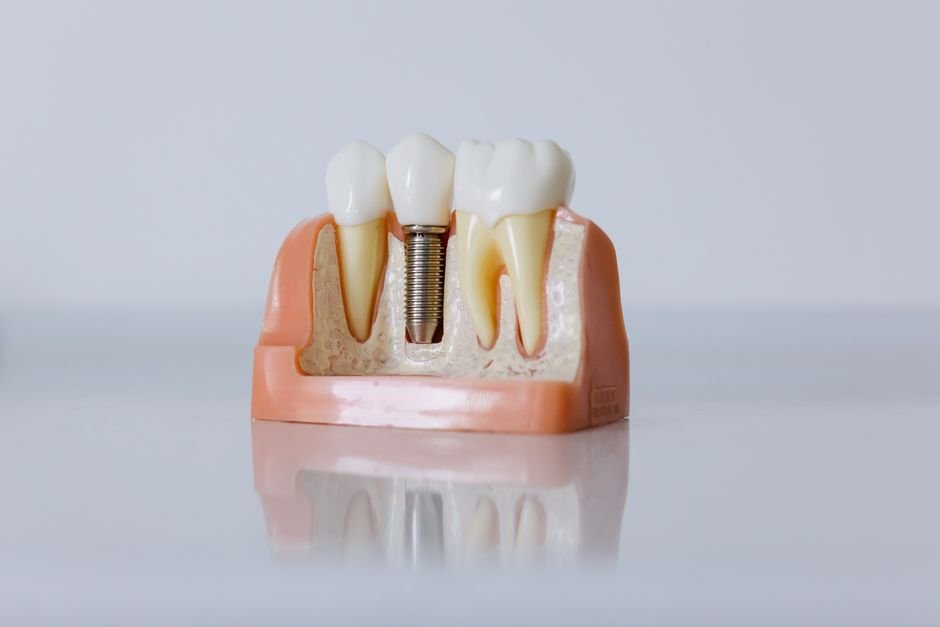
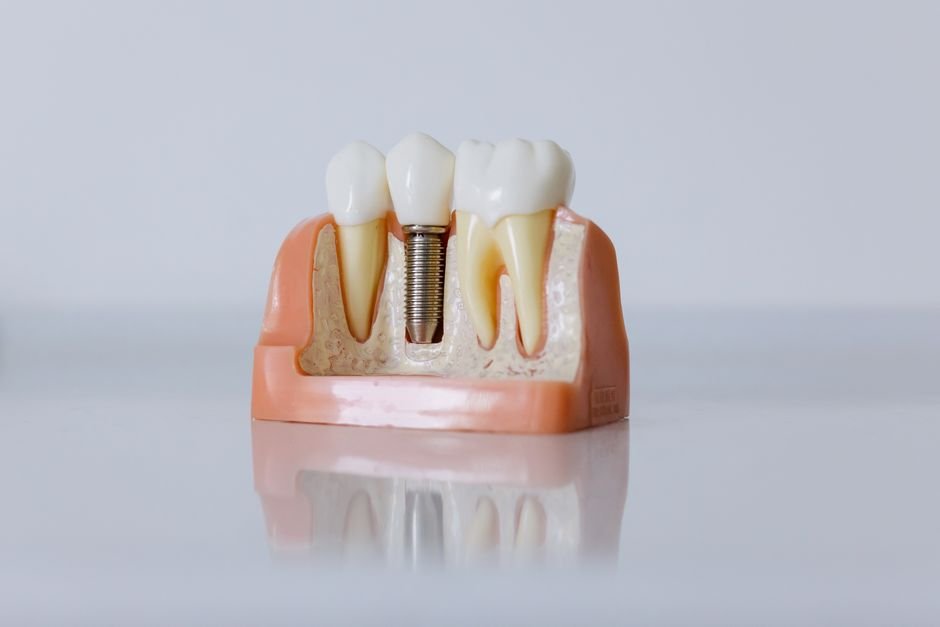
The primary difference lies in diameter. Standard implants typically measure around 3.5 to 6 millimetres across, while mini implants generally fall in the range of 1.8 to 3 millimetres. This narrower design is often constructed as a single solid piece rather than the multi-part structure common to standard implants, which include a separate abutment component.
Because of this narrower profile, mini implants can sometimes be placed in areas with less available bone width, without necessarily requiring bone grafting beforehand. This makes them a useful option in specific clinical situations, though the decision always depends on a careful assessment of the individual’s bone structure and overall treatment goals.
What Are Mini Implants Typically Used For?
One of the most common uses for mini implants is stabilising a lower denture, giving it secure attachment points that prevent the slipping and movement that can make traditional dentures uncomfortable. Several mini implants placed along the jaw can anchor a denture firmly while still allowing it to be removed for cleaning.
They are also sometimes used to replace smaller teeth, such as lower front incisors, where the narrower space between teeth suits a smaller implant diameter better than a standard-sized one. In some cases, mini implants serve as a temporary solution while a standard implant heals elsewhere, though this varies by treatment plan.
How Does the Placement Procedure Generally Differ?
Mini implant placement is often described as less invasive than standard implant surgery, in part because the narrower implant can sometimes be placed without the need to fully open and reflect the gum tissue, a technique sometimes called a flapless approach. This can mean less swelling and a more comfortable recovery for some patients.
In many cases, particularly for denture stabilisation, the entire placement process can be completed in a single appointment, with the denture sometimes able to be adjusted and used almost immediately afterward. This is quite different from standard implants, which typically require a longer healing period before the permanent restoration is attached.
Who Tends to Be a Good Candidate for Mini Implants?
Mini implants are often considered for patients who have insufficient bone width for a standard implant but who would prefer to avoid bone grafting procedures. This can include older patients or those with bone loss from long-term denture wear, where the jaw has narrowed over time.
They may also suit patients looking for a less invasive, potentially faster treatment option, particularly for denture stabilisation where multiple smaller implants can be distributed along the jaw. A thorough evaluation by a dentist, including imaging to assess bone quality and quantity, is the only reliable way to determine whether mini implants are appropriate for an individual case.
Are Mini Implants as Durable as Standard Implants?
Mini implants can provide reliable, long-term function when used in appropriate cases and maintained properly, though their narrower structure means they may not be suited to bearing the same forces as a standard implant in every situation. This is part of why careful case selection matters so much when choosing between the two options.
For applications like denture stabilisation, where the load is distributed across several implants rather than concentrated on one, mini implants have a strong track record. For single tooth replacement bearing significant chewing force on its own, a standard implant may be the more appropriate choice depending on the specific location and bite forces involved.
What Does Recovery Typically Look Like After Mini Implant Placement?
Recovery after mini implant placement is often more comfortable than standard implant surgery, partly due to the less invasive placement technique and smaller size of the implant itself. Many patients report mild soreness in the days following the procedure rather than significant swelling or prolonged discomfort.
Soft foods are generally recommended for a short period after placement, allowing the surrounding tissue to settle before returning to a normal diet. Even when a denture is fitted and usable soon after placement, some caution around very hard or sticky foods during initial healing helps protect the implants while integration continues underneath the surface.
How Should Mini Implants Be Cared For Long Term?
Daily hygiene around mini implants follows similar principles to natural teeth and standard implants, with careful brushing and cleaning around the implant site to prevent plaque buildup. For implants supporting a removable denture, cleaning both the denture itself and the implant attachment points is an important part of the daily routine.
Regular dental checkups allow a dentist to monitor the condition of the implants, the surrounding gum tissue, and the fit of any attached denture over time. Because mini implants are smaller, consistent monitoring helps catch any early signs of looseness or gum irritation before they develop into more significant issues.
What Are the Potential Limitations of Choosing Mini Implants?
While mini implants offer real advantages in the right situations, they are not universally interchangeable with standard implants. Their smaller diameter means they may not be the best choice for replacing larger back teeth that experience substantial chewing force, where a standard implant’s greater strength is often preferred.
Long-term data on mini implants, while generally positive for appropriate use cases, is less extensive than the decades of research behind standard implants. This is part of why thorough discussion with a dentist about individual circumstances, expectations and treatment goals is so important before deciding between the two options.
How Does Cost Generally Compare Between Mini and Standard Implants?
Mini implants are often, though not always, associated with lower costs than standard implants, partly reflecting the simpler single-piece design and often less complex placement procedure. However, cost varies considerably based on how many implants are needed, the specific case, and the restoration being attached.
Cost should not be the only factor guiding this decision. The right choice depends primarily on what will provide the most stable, functional and comfortable outcome for an individual’s specific dental situation, with cost considered as one part of a broader conversation with a dental provider rather than the deciding factor on its own.
Frequently Asked Questions
Can mini implants be used to replace a single missing tooth?
Yes, mini implants can be used for single tooth replacement in certain situations, particularly for smaller teeth like lower incisors where the narrower diameter fits the available space well. Suitability depends on the specific tooth, location and the forces it will need to withstand during normal biting and chewing.
Do mini implants require less bone than standard implants?
Mini implants generally require less bone width due to their narrower diameter, which is why they are sometimes suitable for patients who do not have enough bone for a standard implant without additional grafting. A dentist’s assessment of bone quality and quantity determines suitability in each individual case.
How long do mini implants typically last with proper care?
With appropriate case selection, proper placement and consistent maintenance, mini implants can provide reliable long-term function for many years. As with any implant, longevity depends heavily on ongoing oral hygiene, regular dental checkups and the specific forces the implant is regularly exposed to.
Is the placement of mini implants less painful than standard implants?
Many patients report a more comfortable experience with mini implant placement, partly due to the less invasive technique often used and the smaller size of the implant itself. Individual experiences can vary, and a dentist can give a more specific expectation based on the details of a particular case.
Can mini implants be upgraded to standard implants later if needed?
In some cases, mini implants can later be replaced with standard implants if circumstances or needs change, though this depends on the condition of the surrounding bone and gum tissue at that time. This possibility is worth discussing with a dentist during the initial treatment planning conversation.
Disclaimer: This article is for informational purposes only and does not constitute medical or dental advice. Always consult a qualified dental professional before making any decisions about your oral health or treatment options.