
Straightening teeth is not something adults have to rule out simply because childhood or teenage years have long passed. Orthodontic treatment works by moving teeth through bone, a biological process that continues to function well into adulthood, which is why so many adults now pursue treatment at various stages of life for reasons ranging from …

Straightening teeth is not something adults have to rule out simply because childhood or teenage years have long passed. Orthodontic treatment works by moving teeth through bone, a biological process that continues to function well into adulthood, which is why so many adults now pursue treatment at various stages of life for reasons ranging from appearance to genuine functional concerns.
Key takeaways
- Teeth can be moved through bone at any age, provided gums and bone are healthy.
- Adult treatment often addresses both appearance and long-term bite function.
- Clear aligners have made adult orthodontics more discreet and flexible.
- Gum and bone health need closer evaluation in adults before starting treatment.
- Treatment duration for adults is often similar to, or only slightly longer than, adolescents.
Why Is Age Less of a Barrier Than Many People Assume?
Tooth movement relies on a biological process where bone remodels in response to sustained gentle pressure, allowing teeth to shift into new positions over time. This process does not stop once a person reaches adulthood; it continues to function throughout life as long as the surrounding bone and gum tissue remain healthy.
What does change with age is that overall growth of the jaw has completed, meaning some structural adjustments possible during childhood, when bone is still actively growing, are no longer options for adults. This means certain complex bite issues may require a different combination of treatments in adulthood, but straightening the position of teeth themselves remains entirely achievable at almost any age.
What Motivates Adults to Pursue Orthodontic Treatment?
Adults seek orthodontic treatment for a wide range of reasons beyond appearance alone. Some come to treatment because gradual shifting of teeth over the years has created new gaps, crowding or bite changes that were not present earlier in life. Others are addressing bite issues that were never treated in childhood but have become more noticeable or uncomfortable with time.
Functional concerns are just as common a motivator as cosmetic ones. Misaligned teeth can contribute to uneven wear patterns, jaw discomfort, and difficulty cleaning certain areas effectively, all of which can worsen gradually if left unaddressed. Many adults describe treatment as addressing a problem they had simply lived with for years rather than purely wanting straighter teeth for appearance.
How Has Clear Aligner Technology Changed Adult Orthodontics?
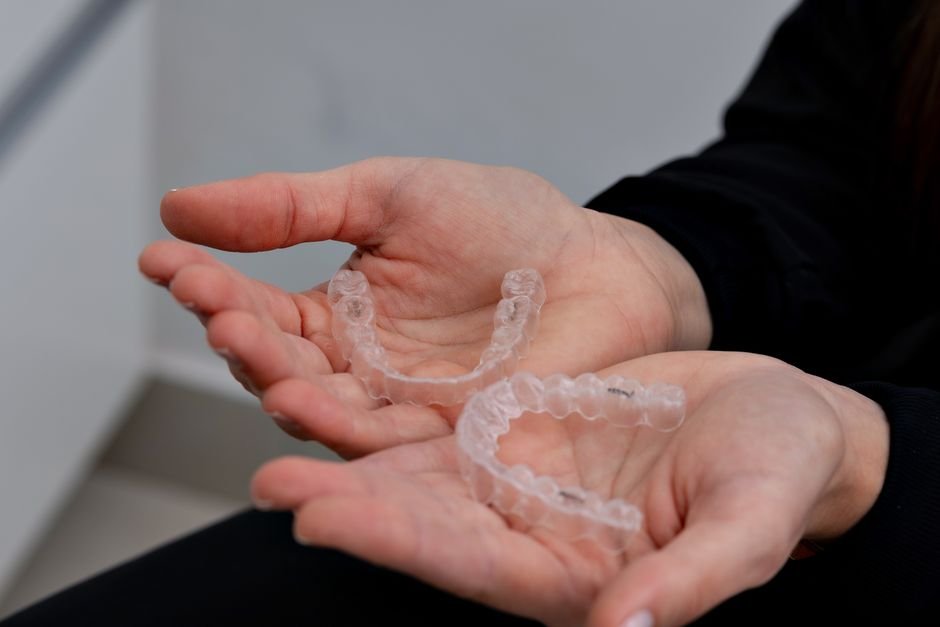
Clear aligners have significantly expanded the appeal of orthodontic treatment for adults by offering a far less visible option than traditional metal braces. Made from a series of custom, removable plastic trays, aligners gradually shift teeth while remaining largely unnoticeable in everyday professional and social settings.
Because aligners are removable, they also allow more flexibility around eating and daily oral hygiene compared to fixed braces, which many adults find fits more comfortably into an established routine. This does not mean aligners suit every case, since some more complex bite corrections still respond better to traditional braces or a combination of approaches, but their availability has removed a significant barrier for adults who were previously hesitant about visible braces.
What Additional Health Considerations Apply Specifically to Adults?
Before beginning orthodontic treatment, adults typically undergo a more detailed evaluation of gum and bone health compared to younger patients, since these tissues can be more susceptible to issues like gum recession or bone loss that may have developed over the years. Healthy gums and adequate supporting bone are important prerequisites for teeth to move safely and predictably.
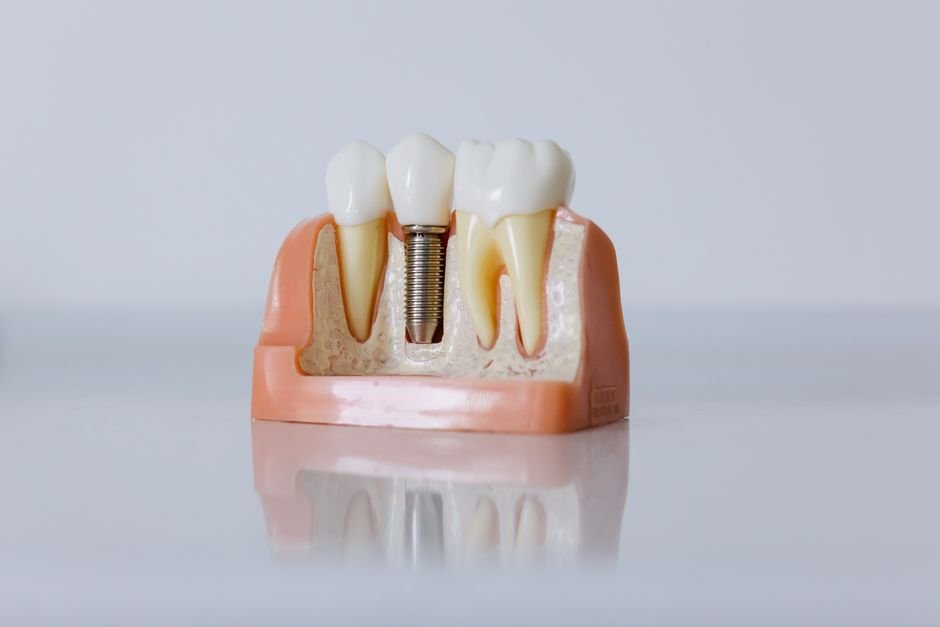
Existing dental work, such as crowns, bridges or missing teeth that have never been replaced, also needs to be factored into treatment planning, since these can affect how straightforward tooth movement will be in certain areas. This additional assessment is a routine part of adult orthodontic planning rather than a barrier, and it simply ensures the treatment plan accounts for an adult’s full dental history.
Does Treatment Take Longer for Adults Than for Teenagers?
Treatment duration for adults is often similar to that of adolescents for comparable cases, though it can vary depending on the complexity of the specific bite issue being addressed and how consistently aligners or braces are worn as instructed. Some research suggests adult bone remodels slightly more slowly than adolescent bone, which can modestly extend treatment in certain cases.
However, the difference is often smaller than commonly assumed, and consistency in wearing aligners or attending adjustment appointments tends to have a bigger impact on total treatment time than age itself. Adults who are motivated and consistent with their treatment plan frequently see results within a broadly similar timeframe to younger patients with comparable needs.
How Does Adult Orthodontic Treatment Fit Around a Busy Lifestyle?
Modern orthodontic options have been designed with adult schedules in mind, with less frequent in-person appointments often required compared to earlier eras of orthodontic treatment. Clear aligners in particular allow for a treatment plan that requires fewer clinical visits, since much of the adjustment process happens gradually between checkups.
Discreet options also mean orthodontic treatment rarely needs to be a disruptive presence in professional or social settings, which is often a genuine concern for adults weighing whether treatment fits their current life stage. Many adults complete a full course of treatment while maintaining an entirely normal daily routine and appearance in most everyday interactions.
What Role Does Retention Play After Adult Treatment Finishes?
Once active treatment is complete, retainers play an essential role in maintaining the new position of the teeth, since teeth have a natural tendency to shift back toward their original position without ongoing support. This applies to adults just as it does to younger patients, and retainer use is generally a long-term, sometimes lifelong, commitment rather than a temporary step.
Adults sometimes underestimate how important consistent retainer wear is after treatment, assuming the hard work is finished once braces or aligners are removed. In reality, the retention phase is what protects the investment made during active treatment, and skipping or being inconsistent with retainer wear is one of the most common reasons results gradually shift back over time.
Can Orthodontic Treatment Address Both Function and Appearance at Once?
For many adults, orthodontic treatment addresses cosmetic and functional goals simultaneously, since crowded or misaligned teeth affecting appearance often also contribute to uneven wear, difficulty cleaning certain areas, or minor bite discomfort. Correcting alignment frequently improves both how the smile looks and how the bite functions day to day.
This dual benefit is one reason adult orthodontics has grown so significantly beyond a purely cosmetic pursuit. Many adults report that improved ease of cleaning and reduced strain on certain teeth are just as meaningful an outcome as the visible improvement in their smile, making treatment a practical investment in long-term oral health as much as appearance.
Frequently Asked Questions
Is there an upper age limit for orthodontic treatment?
There is no fixed upper age limit for orthodontic treatment, since tooth movement depends primarily on the health of the gums and supporting bone rather than a person’s age. Many adults in their fifties, sixties and beyond successfully complete orthodontic treatment when their oral health supports it.
Are clear aligners as effective as traditional braces for adults?
Clear aligners are effective for a wide range of adult orthodontic cases, though some more complex bite issues may still be better suited to traditional braces or a combination of approaches. A thorough evaluation helps determine which option will achieve the desired result most effectively for an individual case.
Will gum health issues prevent adult orthodontic treatment?
Significant, untreated gum disease generally needs to be addressed before orthodontic treatment can safely begin, since healthy gum and bone tissue are necessary for teeth to move predictably. Once any underlying gum issues are managed, many adults are able to proceed with orthodontic treatment as planned.
Do adults need to wear retainers for the same length of time as teenagers?
Retainer wear is generally recommended long-term for adults just as it is for teenagers, since teeth can shift back at any age once active treatment ends. The specific retainer schedule is typically tailored by a dentist based on individual case details rather than age alone.
Can adults with missing teeth or dental work still get orthodontic treatment?
Yes, existing dental work such as crowns, bridges or missing teeth can be incorporated into an orthodontic treatment plan, though it requires careful planning to account for how these areas respond to tooth movement. Discussing full dental history with a dentist during the initial consultation ensures the plan is designed appropriately.
Disclaimer: This article is for informational purposes only and does not constitute medical or dental advice. Always consult a qualified dental professional before making any decisions about your oral health or treatment options.