
A smile makeover consultation is a planning appointment where a dental professional examines your teeth, gums, and bite, listens to what you would like to change, and discusses which cosmetic options might realistically achieve that result. It usually involves a visual examination, some photographs or digital images, and an open conversation about goals, timelines, and …


A smile makeover consultation is a planning appointment where a dental professional examines your teeth, gums, and bite, listens to what you would like to change, and discusses which cosmetic options might realistically achieve that result. It usually involves a visual examination, some photographs or digital images, and an open conversation about goals, timelines, and maintenance. Nothing is carried out on the day itself; the purpose is to build a clear, personalised plan before any treatment begins.
Key takeaways
- A consultation is a planning and assessment visit, not a treatment session.
- Expect a review of tooth colour, shape, spacing, gum appearance, and bite function.
- Photographs or digital scans are commonly used to plan and visualise potential changes.
- Multiple cosmetic options are usually discussed, along with realistic outcomes for each.
- A good consultation ends with a clear plan covering timeline, sequence, and upkeep.
What happens during the initial examination?
The appointment typically begins with a thorough look at the teeth, gums, and bite, since cosmetic changes work best when built on a foundation of good oral health. The dental professional will check for signs of decay, gum inflammation, or bite problems that might need attention before or alongside any cosmetic work. This step matters because cosmetic improvements placed over untreated issues tend not to last as well.
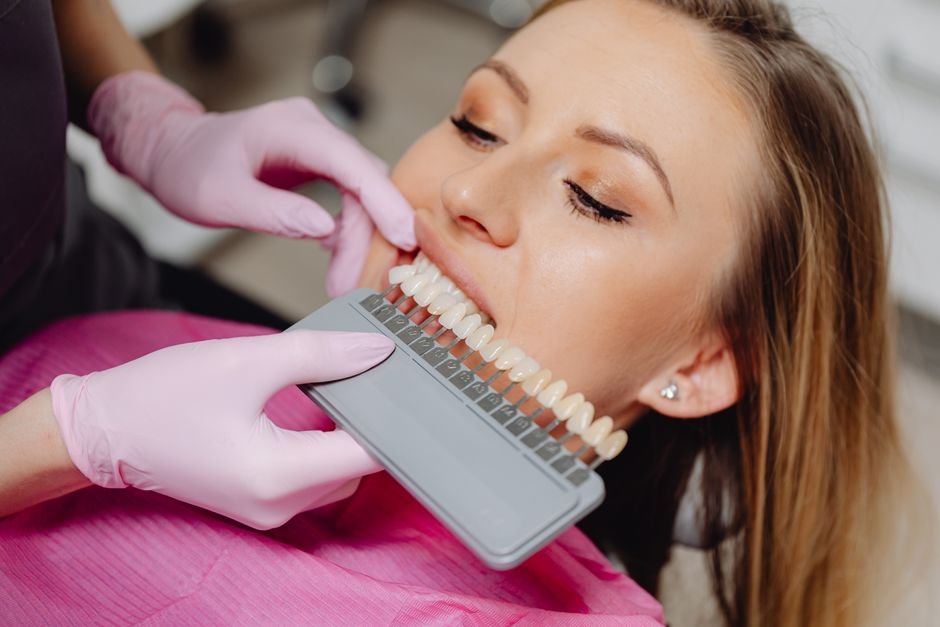
Alongside the clinical check, there is usually a broader conversation about the appearance of the smile as a whole. This includes how the teeth look when you speak and smile naturally, the colour and condition of the enamel, the alignment and spacing of individual teeth, and how the gums frame the teeth. Together, these observations form the starting point for any recommendations that follow.
What questions will I be asked about my goals?
A meaningful consultation spends real time understanding what you actually want to change, rather than assuming every smile needs the same fix. You might be asked what specifically bothers you when you look in the mirror, whether it is colour, shape, gaps, crowding, or something else entirely, and how significant a change you are hoping for.
You will likely also be asked about your priorities around timeline, how much change feels comfortable, and whether you prefer a more gradual or a more dramatic result. These questions help the dental professional avoid over-treating or under-treating the smile, since a plan built around your own stated goals is far more likely to leave you satisfied with the outcome than one based on assumptions alone.
Will photographs or digital scans be taken?
Most smile makeover consultations include some form of visual record, whether that is standard photographs, digital scans, or both. These images serve several purposes: they document the starting point, help identify details that are easy to miss in a quick mirror glance, and give the dental professional a reference to plan against once you have left the appointment.
In some practices, digital tools can also be used to show a preview of how certain changes might look, which can be genuinely helpful for visualising options like whitening or reshaping. It is worth remembering that these previews are planning aids rather than guarantees, since the final result depends on the specific materials, techniques, and biological factors involved in your individual case.
What cosmetic options are typically discussed?
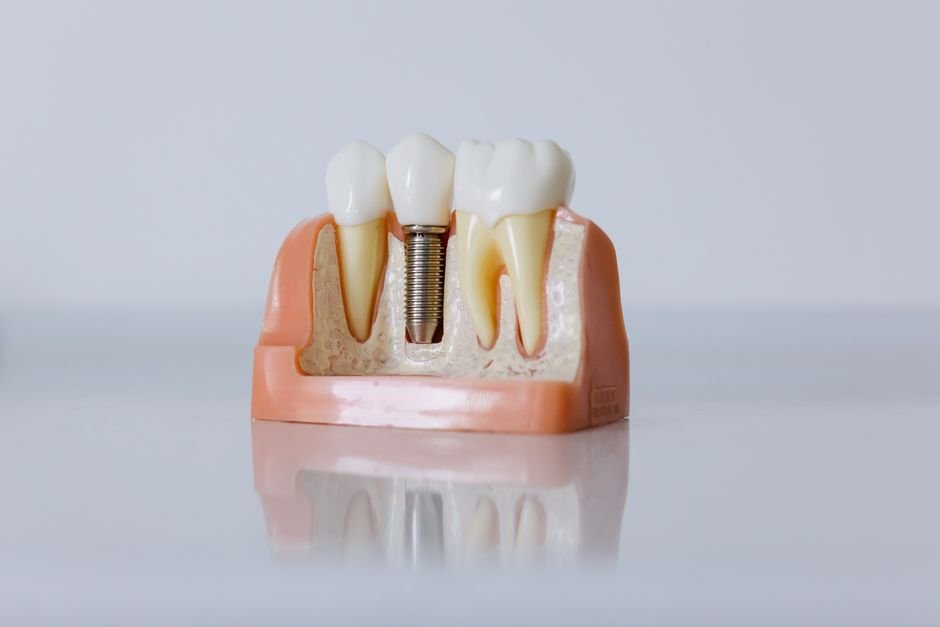
Depending on what you are hoping to change, a range of options might come up in conversation. Teeth whitening is often discussed for colour concerns, while bonding or veneers might be suggested for chips, gaps, or shape irregularities. Orthodontic options may also be mentioned if crowding or spacing is part of the picture, since some cosmetic goals are better achieved by moving teeth rather than covering them.
A thorough consultation usually explains the general differences between these approaches, including how long each tends to last, how reversible or irreversible it is, and roughly how much upkeep it requires afterwards. The aim is not to recommend every option available, but to narrow the list down to the ones genuinely suited to your teeth, your goals, and your daily habits.
How is a treatment sequence and timeline decided?
When more than one type of treatment is recommended, the order in which they happen usually matters. For example, any necessary gum treatment or orthodontic movement is generally addressed before permanent cosmetic work is placed, since building lasting cosmetic results on top of unresolved issues tends to produce disappointing results. The consultation is where this sequencing gets mapped out.
You should leave with a reasonably clear sense of how many appointments are involved, roughly how they are spaced out, and what happens at each stage. This is particularly useful if your goals involve multiple types of treatment, since understanding the overall timeline helps you plan around work, travel, or other commitments without unwelcome surprises partway through.
What role does tooth and gum health play in the plan?
Cosmetic dentistry is built on top of the existing structure of the mouth, so the health of that structure directly affects what is realistic. Weakened enamel, active decay, or inflamed gums can all limit which cosmetic options are suitable, or may need to be addressed first so that any cosmetic work has a stable, healthy foundation to sit on.
A conscientious consultation will not skip past this in favour of jumping straight to the cosmetic discussion. Expect the dental professional to explain clearly if any preparatory treatment is needed, why it matters, and how it fits into the overall plan. This groundwork protects the investment you are making in the cosmetic side of the treatment by giving it a durable base to last on.
How is the cost and maintenance of treatment explained?
A transparent consultation should give you a clear breakdown of what each recommended treatment involves, including an estimate of cost, so you can weigh the options against your own budget and priorities. This is also the appropriate time to ask about payment structures or staged treatment if a full plan feels significant all at once.
Maintenance is just as important as the initial cost, since cosmetic results generally require some ongoing care to look their best over the years. This might include specific brushing habits, avoiding certain staining foods and drinks, wearing a retainer, or attending regular check-ups. A good consultation sets realistic expectations about this upkeep rather than presenting cosmetic treatment as a one-off fix.
How should I prepare for a smile makeover consultation?
Arriving with a clear idea of what you would like to change, even if it is just a general feeling rather than specific technical language, helps the conversation move in a useful direction. Some people find it helpful to note down particular things they notice about their smile, or aspects of other smiles they admire, simply to have a starting reference point to discuss.
It is also worth preparing questions in advance about timeline, upkeep, reversibility, and how different options compare, since a consultation moves quickly and it is easy to forget queries once you are in the chair. Bringing a list of any current dental concerns, medications, or previous treatments is equally useful, as this background helps shape a plan that is realistic for your particular mouth.
Frequently Asked Questions
Does a smile makeover always involve multiple treatments?
Not necessarily. Some smile makeovers involve a single treatment, such as whitening alone, while others combine several approaches like bonding, veneers, or orthodontic movement to address multiple concerns at once. The right approach depends entirely on your specific goals and the starting condition of your teeth, which is exactly what the consultation is designed to clarify.
How long does a typical consultation appointment last?
Consultation appointments vary, but many last somewhere between thirty minutes and an hour, depending on how much examination, discussion, and imaging is involved. More complex goals involving multiple treatment types may need a longer appointment or a follow-up visit to fully cover the options and answer all your questions.
Is any treatment actually carried out during the consultation?
Generally no. A consultation is focused on examination, discussion, and planning rather than active treatment. Once a plan is agreed upon, actual procedures such as whitening, bonding, or fitting veneers are scheduled as separate appointments, giving you time to consider the options and ask further questions before committing to anything.
Can I get more than one opinion before deciding on a plan?
Yes, seeking a second opinion is a reasonable step before committing to cosmetic treatment, particularly for more extensive plans involving multiple procedures. A second perspective can help confirm that the recommended approach suits your goals and can also introduce alternative options you may not have considered during the first consultation.
What should I do if I am unsure about a recommended treatment?
Ask direct questions about why a particular option is being recommended, what alternatives exist, and what happens if you choose a more conservative approach instead. A good dental professional will welcome this discussion and explain their reasoning clearly. If uncertainty remains afterwards, taking time to think it over or seeking a further opinion is a sensible next step.
Disclaimer: This article is for informational purposes only and does not constitute medical or dental advice. Always consult a qualified dental professional before making any decisions about your oral health or treatment options.