
A tooth extraction becomes necessary when a tooth is too damaged, decayed, infected, or misaligned to be saved through restorative treatment, or when its presence threatens the health of surrounding teeth and tissue. Dentists generally view extraction as a last resort after other options such as fillings, root canals, or crowns have been ruled out …


A tooth extraction becomes necessary when a tooth is too damaged, decayed, infected, or misaligned to be saved through restorative treatment, or when its presence threatens the health of surrounding teeth and tissue. Dentists generally view extraction as a last resort after other options such as fillings, root canals, or crowns have been ruled out or have already failed, since preserving a natural tooth is usually the preferred outcome whenever it remains feasible.
Key takeaways
- Extraction is typically considered only after restorative options have been assessed.
- Common reasons include severe decay, advanced gum disease, and structural damage.
- Impacted or overcrowded teeth may also require removal in some cases.
- Recovery generally follows a predictable pattern over one to two weeks.
- Replacing an extracted tooth is often worth discussing to maintain long-term oral function.
What Makes a Tooth Too Damaged to Save?
A tooth may be considered beyond saving when decay has progressed so extensively that too little healthy structure remains to support a filling or crown, or when a fracture extends below the gumline into the root. In these situations, attempting restorative treatment may not provide a stable or lasting result, making extraction a more practical option than investing in a repair likely to fail.
Dentists typically assess the remaining healthy tooth structure, the position of any fracture, and the overall prognosis before recommending extraction over restoration. This assessment often involves an X-ray to evaluate what cannot be seen directly, ensuring the decision is based on a full picture of the tooth’s condition rather than only its visible surface.
How Does Infection Factor Into the Decision?
Severe infection within a tooth, when it cannot be adequately treated through a root canal, is one of the more common reasons extraction becomes necessary. If infection has spread extensively through the root canal system or into the surrounding bone in a way that a root canal cannot resolve, removing the tooth may be the most reliable way to eliminate the source of infection.
Leaving a severely infected tooth in place can allow the infection to spread further, potentially affecting neighbouring teeth or, in some cases, other areas of the body. This is why dentists take signs of significant infection seriously and will discuss extraction as an option when more conservative treatments are unlikely to fully resolve the underlying problem.
Can Gum Disease Lead to Tooth Extraction?
Yes, advanced gum disease can cause significant loss of the bone and supporting tissue that hold a tooth in place, eventually leaving it too loose to function properly even if the tooth itself has no decay. In these cases, the tooth’s structural support has been compromised rather than the tooth itself, but the outcome can still be that extraction becomes the most practical solution.
Early and consistent treatment of gum disease is one of the most effective ways to avoid reaching this point, which is why dentists emphasise regular checkups and prompt attention to symptoms such as bleeding or receding gums. Once significant bone loss has occurred, options for saving the tooth become considerably more limited.
Why Are Wisdom Teeth Often Removed?
Wisdom teeth are frequently extracted because there is often insufficient space in the jaw for them to emerge properly, leading to impaction, where the tooth becomes trapped partially or fully beneath the gum or bone. Impacted wisdom teeth can cause pain, infection, or damage to neighbouring teeth if left in place, which is why removal is often recommended even before serious symptoms develop.
Not every wisdom tooth needs to be removed, and some emerge normally and function without any issues. A dentist typically evaluates the position and development of wisdom teeth through X-rays to determine whether they are likely to cause problems, guiding the decision about whether extraction is advisable in a particular case.
Does Overcrowding Ever Require Removing a Healthy Tooth?
In some orthodontic cases, a healthy tooth may be extracted to relieve overcrowding and create enough space for the remaining teeth to be properly aligned. This is a planned, deliberate decision made as part of a broader orthodontic treatment plan, rather than a response to disease or damage in the extracted tooth itself.
This type of extraction is typically discussed thoroughly between the orthodontist and patient, weighing the benefits of improved alignment against the loss of a healthy tooth. It is generally only recommended when the resulting improvement in bite function and long-term dental health is considered to outweigh the alternative of leaving the crowding unaddressed.
What Does the Extraction Procedure Typically Involve?
Most extractions are performed under local anaesthetic, numbing the area so the procedure itself is not painful, though some pressure may be felt during the process. Simple extractions, involving teeth that are fully visible above the gumline, are generally quicker, while surgical extractions, often needed for impacted or broken teeth, may involve a slightly more involved procedure to access and remove the tooth.
The dentist or oral surgeon will discuss which type of extraction is needed based on the specific tooth and its condition, along with what to expect during the appointment itself. Understanding this beforehand can help reduce any anxiety about the procedure, since most extractions are more straightforward than many people anticipate.
What Should Recovery Look Like Afterwards?
Following an extraction, mild swelling, discomfort, and some bleeding in the first day or so are normal and generally manageable with guidance provided by the dentist, such as applying gentle pressure with gauze and avoiding vigorous rinsing initially. Most people find that the most noticeable discomfort improves significantly within a few days.
Following specific aftercare instructions, such as avoiding smoking, using a straw, or eating hard foods in the days immediately following extraction, helps protect the healing site and reduces the risk of complications such as a dry socket. Most people are able to resume normal activities and eating within a week to ten days, depending on the complexity of the extraction.
Should a Missing Tooth Always Be Replaced?
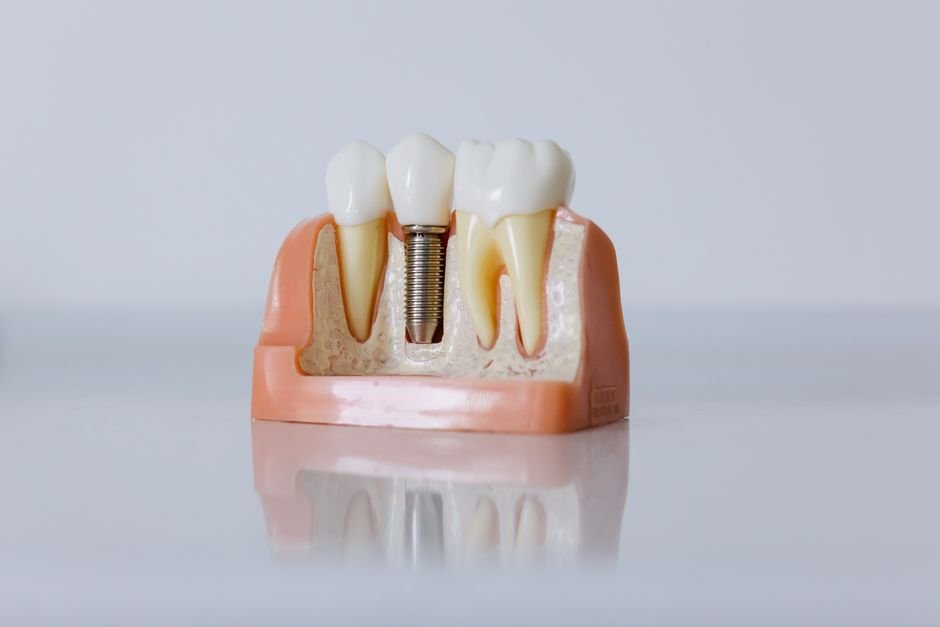
While not every extracted tooth strictly requires replacement, leaving a gap unaddressed can lead to shifting of neighbouring teeth, changes in bite alignment, and, in the case of back teeth, potential difficulty chewing effectively over time. For these reasons, discussing replacement options, such as an implant, bridge, or partial denture, is generally worthwhile even if a decision is not made immediately.
The right replacement option, if any, depends on factors including the location of the missing tooth, the health of surrounding teeth and gums, and personal preferences around cost and treatment time. A dentist can outline the pros and cons of each approach based on the specific situation, helping ensure a well-informed decision either way.
How Can Someone Prepare for an Extraction Appointment?
Preparing for an extraction usually involves a short conversation with the dentist beforehand about medical history, current medications, and any allergies, since these factors can influence how the procedure and recovery are managed. Arranging for someone to drive home afterwards is often recommended, particularly if sedation beyond local anaesthetic is being used for the procedure.
It can also help to plan meals in advance, stocking up on soft foods such as soup, yoghurt, and mashed vegetables for the first few days of recovery when chewing may be uncomfortable. Taking a day or two off from strenuous activity or work commitments, where possible, allows the body to focus on initial healing without added physical strain.
Frequently Asked Questions
Is a tooth extraction painful?
The procedure itself is performed under local anaesthetic, so significant pain during the extraction is uncommon. Some discomfort and swelling afterwards is normal as the area heals, and this is generally manageable with guidance from the dentist regarding pain relief and aftercare.
How long does it take to fully recover from an extraction?
Initial healing of the gum tissue typically takes about one to two weeks, though complete healing of the underlying bone can take longer. Most people feel comfortable resuming normal activities and eating within about a week, depending on the complexity of the extraction performed.
What is a dry socket and how can it be avoided?
A dry socket occurs when the blood clot that forms after extraction becomes dislodged or fails to form properly, exposing the underlying bone and causing significant discomfort. Avoiding smoking, drinking through a straw, and vigorous rinsing in the days following extraction helps reduce the risk of this complication.
Can a tooth always be saved instead of extracted?
Not always. While dentists generally prefer to preserve natural teeth whenever possible, some situations involving extensive damage, infection, or bone loss mean that restorative treatment is unlikely to provide a stable, lasting outcome, making extraction the more practical and reliable option.
Do I need to replace a tooth immediately after it is extracted?
Immediate replacement is not always necessary, though discussing options with your dentist sooner rather than later is generally advisable, since prolonged gaps can lead to shifting teeth and bite changes over time. Your dentist can advise on a suitable timeline based on your specific situation.
Disclaimer: This article is for informational purposes only and does not constitute medical or dental advice. Always consult a qualified dental professional before making any decisions about your oral health or treatment options.