
Professional teeth whitening uses a controlled concentration of a peroxide based gel to break down stains within the enamel, typically lightening teeth several shades in a single session or over a short course of at home trays. Over the counter whitening products can help too, but they generally work more slowly and produce far more …
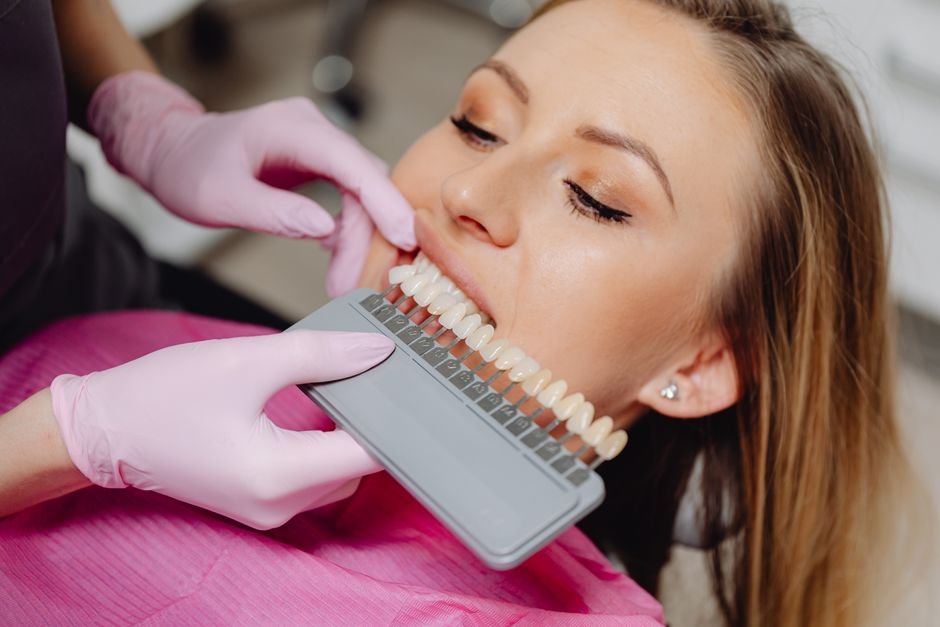

Professional teeth whitening uses a controlled concentration of a peroxide based gel to break down stains within the enamel, typically lightening teeth several shades in a single session or over a short course of at home trays. Over the counter whitening products can help too, but they generally work more slowly and produce far more modest results than professionally supervised treatment. Knowing what genuinely works, and why, makes it far easier to choose the right option for your specific teeth.
Key takeaways
- Whitening works by breaking down stain particles within tooth enamel.
- Professional treatment uses stronger, carefully controlled concentrations.
- Results vary depending on the type and cause of discolouration.
- Good habits afterwards help whitening results last longer.
Why Do Teeth Discolour in the First Place?
Tooth discolouration generally falls into two broad categories: surface staining caused by foods, drinks, and habits like smoking, and deeper discolouration that develops within the tooth itself, sometimes linked to ageing, certain medications, or past dental trauma. Understanding which category applies to your teeth helps explain why whitening works better for some people than others.
Enamel also naturally thins slightly with age, allowing more of the slightly yellow dentin layer underneath to show through, which is part of why many people notice their teeth gradually appearing less bright over the years even without any specific staining habit.
How Does Teeth Whitening Actually Work?
Whitening gels contain a peroxide compound that penetrates the enamel and breaks apart the pigmented molecules responsible for staining. As these molecules are broken down into smaller, less visible particles, teeth appear noticeably lighter and brighter over the course of treatment.
This process does not remove enamel or physically alter the structure of the tooth. It simply changes how light reflects off stained particles within it, which is why whitening is considered a cosmetic rather than a structural treatment. The degree of lightening achievable does have natural limits, since whitening can only lift stains, it cannot change the underlying, natural colour of the tooth beneath them.
What Is the Difference Between In Office and At Home Whitening?
In office whitening uses a higher concentration gel, often activated with a special light, allowing results to appear within a single appointment. At home whitening kits provided by a dentist use custom fitted trays and a lower concentration gel worn for shorter periods over one to two weeks.
Both approaches can be effective, and the right choice often depends on how quickly you want results and how much of a time commitment you are able to make to the process. Some people combine both, starting with an in office session for a quicker initial result and following up with at home trays to maintain or gradually extend that result over time.
Does Teeth Whitening Work on Every Type of Stain?
Whitening tends to be most effective on surface stains caused by coffee, tea, red wine, or smoking, since these sit closer to the outer layer of enamel. Discolouration caused by certain medications, injury, or issues within the tooth itself often responds far less predictably to standard whitening treatments.
This is why a dentist will usually examine your teeth before recommending whitening, since understanding the cause of discolouration helps set realistic expectations for the result. In some cases involving deeper or more unusual discolouration, alternative cosmetic options such as veneers or bonding may be discussed instead of, or alongside, whitening.
How Does Age Affect Whitening Results?
Younger patients often see more dramatic whitening results, partly because their enamel tends to be less worn and their staining is more often surface level rather than deeply set. Older patients can still achieve meaningful improvement, though results may be more gradual and sometimes benefit from combining whitening with other cosmetic options if enamel thinning has become more pronounced.
This is not a reason to avoid whitening later in life, simply a factor your dentist will take into account when setting realistic expectations for your specific case during the initial consultation.
Are Over the Counter Whitening Products Worth Using?
Whitening toothpaste and strips can offer a mild improvement over time, largely by removing surface stains rather than deeply altering the colour of the enamel. They are a reasonable option for very minor discolouration or for maintaining results after a professional treatment.
For more noticeable or long standing staining, professional whitening generally produces a faster and more dramatic result than store bought alternatives alone. It is also worth noting that some over the counter products can cause uneven results or increased sensitivity if used more frequently than instructed, which is less of a concern under professional supervision.
Are There Any Risks Worth Knowing About Beforehand?
Temporary sensitivity is the most common side effect of whitening, particularly for people who already experience some tooth sensitivity before treatment. This is usually manageable with desensitising toothpaste in the days surrounding treatment and tends to resolve on its own shortly afterwards.
Whitening products used incorrectly, such as leaving a gel on for far longer than instructed, can cause gum irritation or uneven results. This is one of the clearer reasons professional supervision, or at minimum following instructions closely with an at home kit, matters more than it might initially seem.
What Determines How Long Whitening Takes?
Treatment duration depends on the whitening method chosen, the starting shade of your teeth, and how deep the staining runs. In office treatments can produce visible results in a single visit lasting around an hour, while at home tray systems typically require consistent nightly or daily use over one to two weeks to reach a comparable result.
Some cases of more stubborn staining may require a longer course of treatment or a combination approach, which your dentist can outline clearly once they have assessed your teeth during a consultation.
How Can You Make Whitening Results Last Longer?
Whitened teeth are more prone to picking up new staining in the days immediately following treatment, so avoiding strongly pigmented foods and drinks such as coffee, red wine, and dark sauces for a short period afterwards helps protect the result.
Ongoing good oral hygiene, along with occasional top up treatments if recommended by your dentist, are usually enough to keep results looking bright for a long time. Using a straw for darker beverages and rinsing with water after meals are both small habits that can meaningfully extend how long your results stay looking fresh.
How Should You Choose a Whitening Provider?
Choosing a dentist for whitening treatment is worth approaching the same way you would any other dental treatment, by checking their experience with the specific method offered and asking what results are realistically achievable for your particular teeth. A good provider will assess your teeth honestly rather than promising a dramatic result regardless of your starting point.
It is also reasonable to ask about the specific product and concentration being used, since this can vary between practices and directly affects both how quickly results appear and how much sensitivity you might experience during treatment.
What Should You Expect During a Whitening Consultation?
A proper whitening consultation typically starts with an examination of your teeth and gums, since active decay or gum disease usually needs to be addressed before whitening treatment begins. Your dentist will also ask about any existing sensitivity, since this can influence which concentration and method is recommended.
Photographs of your current shade are often taken before treatment starts, giving a clear before and after comparison once whitening is complete, and providing a useful reference point if you choose to have top up treatments in the future.
Frequently Asked Questions
Is professional teeth whitening safe for enamel?
Yes, when carried out under professional supervision at an appropriate concentration, whitening does not damage or weaken the structure of the enamel.
How long do whitening results typically last?
Results commonly last from several months up to a couple of years, depending on your diet, oral hygiene habits, and whether you smoke.
Can whitening help with yellow teeth versus grey teeth?
Whitening tends to be more effective on yellow toned discolouration than on greyish staining, which often has a different underlying cause.
Does teeth whitening cause sensitivity?
Some people experience temporary sensitivity during or shortly after treatment, which usually settles within a day or two once the whitening gel has fully cleared.
Can crowns or veneers be whitened along with natural teeth?
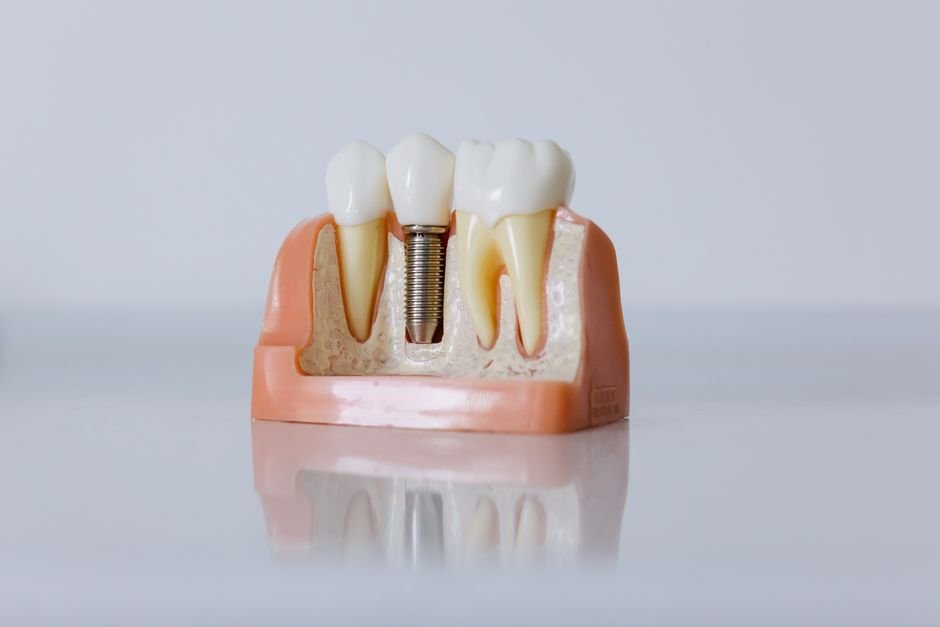
No, whitening gels only work on natural tooth enamel, so any crowns or veneers will not change shade and may need to be replaced separately to match whitened teeth.
Disclaimer: This article is for informational purposes only and does not constitute medical or dental advice. Always consult a qualified dental professional before making any decisions about your oral health or treatment options.